7 citations
,
April 2004 in “International Journal of Dermatology” The newborn's skin blistering is due to a genetic condition called epidermolytic hyperkeratosis.
24 citations
,
February 2002 in “The journal of investigative dermatology/Journal of investigative dermatology” Two new proteins, hKAP1.6 and hKAP1.7, are found in the hair follicle cortex.
November 2022 in “Journal of Investigative Dermatology” NCSTN gene mutation causes abnormal skin cell differentiation and more inflammation, contributing to Hidradenitis Suppurativa.
26 citations
,
May 2007 in “Differentiation” Foxn1 helps skin cells mature by controlling a specific protein's activity.
 1 citations
,
April 2018 in “Journal of Investigative Dermatology”
1 citations
,
April 2018 in “Journal of Investigative Dermatology” PRC1 is essential for proper skin development and stem cell formation by controlling gene activity.
78 citations
,
May 2019 in “Frontiers in Cellular and Infection Microbiology” DPK-060 in poloxamer gel effectively treats skin infections, but nanocarriers don't enhance its efficacy.
 April 2023 in “Journal of Investigative Dermatology”
 Dkk4 protein helps control how hair grows and its arrangement.
25 citations
,
September 2014 in “SpringerPlus” Sheep have a unique gene, KAP8-2, that humans don't have, which may affect wool properties.
Cadd4 effectively reduces cholesterol levels without side effects.
1 citations
,
October 2018 in “PubMed” EK significantly improved wound healing and reduced infection in burn wounds.
12 citations
,
December 2022 in “Frontiers in Bioscience-Landmark” The role of certain genes in skin cell development may be linked to psoriasis, but the connection is unclear.
 30 citations
,
December 2011 in “Journal of biological chemistry/The Journal of biological chemistry”
30 citations
,
December 2011 in “Journal of biological chemistry/The Journal of biological chemistry” Keratin 17 is modified by RSK1 in response to growth and stress, affecting skin growth and stress response.
 2 citations
,
April 2022 in “Research Square (Research Square)”
2 citations
,
April 2022 in “Research Square (Research Square)” Activating PKM2 and Wnt/β-catenin signaling together can potentially enhance hair growth and could be a treatment for hair loss.

The KRTAP36-1 gene affects wool quality in Chinese Tan lambs.
88 citations
,
June 2000 in “Journal of Investigative Dermatology” Keratin 17 is important for hair and nail structure and affects pachyonychia congenita symptoms.
December 2025 in “Journal of Cosmetic Dermatology” The new treatment improved keratosis pilaris symptoms and mood in 28 days.
10 citations
,
November 2021 in “International journal of molecular sciences” Sheep and goat hair fibers are complex due to keratin-associated proteins, which are important for fiber properties and growth.
35 citations
,
September 1994 in “Journal of Investigative Dermatology” 47 citations
,
September 2004 in “Journal of Biological Chemistry” Hoxc13 regulates specific hair protein genes on mouse chromosome 16.
December 2020 in “Faculty Opinions – Post-Publication Peer Review of the Biomedical Literature” The KDM1 gene helps Venus flytraps close by managing potassium ions.
13 citations
,
November 2018 in “Animal Genetics” A new gene variant causes curly coats in some dog breeds.
 9 citations
,
May 2012 in “PLOS ONE”
9 citations
,
May 2012 in “PLOS ONE” ILK is essential for skin development, pigmentation, and healing.
December 2012 in “http://isrctn.org/>” 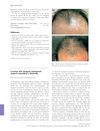 13 citations
,
February 2007 in “British Journal of Dermatology”
13 citations
,
February 2007 in “British Journal of Dermatology” EF and PXE not closely related.
November 2025 in “Journal of Investigative Dermatology” KLHL24-mutant stem cells help understand skin and heart disease.
11 citations
,
January 2016 in “International Journal of Biological Macromolecules” Enzymatic phosphorylation of hair keratin improves the effectiveness of hair products with cationic ingredients.
January 2022 in “Mammalian Genome” The wavy coat in NCT mice is caused by multiple genes, including a mutation in the Prss53 gene.
75 citations
,
October 1999 in “Differentiation” Mouse keratin 6 isoforms have different expression patterns in various tissues.
24 citations
,
February 2011 in “The American journal of pathology” AIRE protein, defective in APECED patients, is found in skin and hair cells and interacts with cytokeratin 17.
 November 2023 in “Journal of cosmetic dermatology”
 The 595-nm pulsed dye laser effectively reduces symptoms of EFFC with minimal side effects.