 10 citations
,
August 2016 in “Oxford Medical Case Reports”
10 citations
,
August 2016 in “Oxford Medical Case Reports” Tocilizumab therapy may cause skin and hair conditions like halo naevi, vitiligo, and alopecia areata.
April 2019 in “Institutional Repositories DataBase (IRDB)” Patient-derived stem cell melanocytes could be a promising treatment for vitiligo.
 March 2026 in “Clinical Cosmetic and Investigational Dermatology”
 Rituximab can cause skin issues, but baricitinib may help improve them.
 7 citations
,
December 2016 in “Journal of The Taiwan Institute of Chemical Engineers”
7 citations
,
December 2016 in “Journal of The Taiwan Institute of Chemical Engineers” Pig blood plasma can be used to promote human hair growth and is a good alternative to the commonly used serum additive.
1 citations
,
April 2017 in “Journal of Investigative Dermatology” Abatacept may help some people with alopecia areata regrow hair.
 15 citations
,
November 2022 in “Cell Death and Disease”
15 citations
,
November 2022 in “Cell Death and Disease” CEP135 may predict cancer outcomes, and targeting PLK1 could help treat certain sarcomas.
21 citations
,
September 2019 in “Journal of the American Academy of Dermatology” Ixekizumab effectively treats generalized pustular psoriasis.
 March 2026 in “Indian journal of veterinary and animal sciences research.”
 A Labrador Retriever with pemphigus fully recovered after six weeks of azathioprine treatment.
December 2021 in “International Journal of Research in Dermatology” PRP shows promise for treating hair loss but needs standardized methods to confirm its effectiveness.
 May 2026 in “Clinical Cosmetic and Investigational Dermatology”
 The buffy coat method slightly outperformed apheresis in patient-reported hair improvement for treating hair loss.
October 2018 in “Dermatologic Surgery”  August 2018 in “Reactions Weekly”
 Two men experienced hair regrowth while being treated with immune globulin for other health issues, but there were also side effects.
CAR-T cell therapy shows promise for treating autoimmune disorders but faces challenges like complex manufacturing and limited tissue penetration.
105 citations
,
October 2018 in “Nature” A small group of slow-growing cells causes basal cell carcinoma to return after treatment.
May 2025 in “Medicine and ecology” The effectiveness of platelet-rich plasma is unclear due to inconsistent preparation methods.
 70 citations
,
June 2017 in “Nature Communications”
70 citations
,
June 2017 in “Nature Communications” A new laser technique can precisely remove specific cell types in living animals without harming nearby cells.
86 citations
,
June 2018 in “Cochrane library” Mycophenolate mofetil may improve lupus nephritis remission more than cyclophosphamide but with uncertain safety.
November 2022 in “Journal of Investigative Dermatology” ILC1-like cells can cause alopecia areata by affecting hair follicles.
 4 citations
,
August 2018 in “Facial Plastic Surgery Clinics of North America”
4 citations
,
August 2018 in “Facial Plastic Surgery Clinics of North America” Platelet-Rich Plasma (PRP), a protein-rich extract from a patient's blood, shows promise in improving hair density, thickness, and quality, but the best method of use and number of treatments needed for noticeable results are still unclear.
1 citations
,
February 2023 in “Pharmaceutics” Cell proteomic footprinting enhances cancer vaccine quality by ensuring correct antigen composition.
 13 citations
,
July 2019 in “Journal of Dermatological Science”
13 citations
,
July 2019 in “Journal of Dermatological Science” Increasing alkaline phosphatase in human skin cells helps to grow more hair.
 13 citations
,
February 2006 in “Clinical and Experimental Dermatology”
13 citations
,
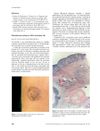
February 2006 in “Clinical and Experimental Dermatology” A benign tumor developed at a girl's BCG vaccination site, not previously linked to the vaccine.
14 citations
,
February 2022 in “The Journal of clinical investigation/The journal of clinical investigation” Scientists made a mouse model of a serious skin cancer by changing skin cells with a virus and a specific gene, which is similar to the disease in humans.
1 citations
,
December 2021 Cats likely have a reactive skin condition, while dogs may have a more complex, possibly cancerous one.
14 citations
,
April 2024 in “Periodontology 2000” Platelet-rich plasma may help healing due to growth factors from platelets.
82 citations
,
November 1985 in “Archives of Dermatology” The newborn's skin condition improved over time, leaving only lighter skin patches.
Alkylating agents can kill cancer cells but may cause skin and allergic reactions.
July 2024 in “Journal of Investigative Dermatology” PH-762 shows promise in treating skin cancer by effectively targeting and silencing PD-1 in tumors with minimal side effects.
 April 2017 in “Journal of Investigative Dermatology”
 PRC1 influences skin stem cell development by both turning genes on and off, affecting hair growth and skin cell types.
2 citations
,
December 2024 in “International Journal of Rheumatic Diseases” Ocrelizumab may cause total body hair loss in some patients.