 June 2019 in “Journal of Dermatological Treatment”
 BM-PHA is as effective and safe as Restylane Perlane for improving nasolabial folds with minor side effects.
 10 citations
,
June 2019 in “Aesthetic Plastic Surgery”
10 citations
,
June 2019 in “Aesthetic Plastic Surgery” Amniotic allograft may be more effective than platelet-rich plasma for midface aging treatment.
10 citations
,
January 1995 in “Dermatology” Dermatologists should consider congenital syndromes like TRPS in young adults with early hair loss.
9 citations
,
July 2019 in “Journal of cosmetic dermatology” Topical PRP cream may improve facial skin by boosting collagen.
July 2022 in “British Journal of Dermatology” 
Curly hair may be caused by a muscle contraction, and muscle relaxants might help treat it.
5 citations
,
August 2012 in “Experimental Dermatology” Artemis phosphorylation at Ser516 may help regulate skin and hair structures.
 5 citations
,
January 1998 in “Clinical and experimental dermatology”
5 citations
,
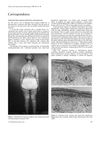
January 1998 in “Clinical and experimental dermatology” Myotonic dystrophy should be considered in patients with hair thinning, and genetic counseling is important.
January 2017 in “International journal of surgery and transplantation research” The Covas-Lift is a safe and effective facial rejuvenation method with shorter surgery time and high patient satisfaction.
 3 citations
,
March 2007 in “Otolaryngologic Clinics of North America”
3 citations
,
March 2007 in “Otolaryngologic Clinics of North America” Choosing the right eyebrow and forehead rejuvenation technique depends on the individual's features and goals, and even small changes can make a big difference in appearance.
1 citations
,
December 2016 in “Rossijskij žurnal kožnyh i veneričeskih boleznej” A new treatment using unactivated platelet leukocyte autoplasma cured 80% of non-scarring alopecia patients.
January 2024 in “Case Reports in Endocrinology” Cortisone tapering may help improve severe myasthenia gravis and alopecia areata after thymectomy.
1 citations
,
September 2025 in “PLoS ONE” Actin and alpha-smooth muscle actin help skin heal in mouse fetuses.
July 2025 in “Journal of Investigative Dermatology” Scarring alopecia involves increased immune cells and specific gene changes near damaged hair follicles.
November 2025 in “Scientia Pharmaceutica” Injectable biostimulators can improve skin by boosting collagen and fat cell activity, but more research is needed to confirm their safety and effectiveness.
 6 citations
,
April 2018 in “Facial Plastic Surgery”
6 citations
,
April 2018 in “Facial Plastic Surgery” Treating the temple area carefully with combined methods improves facial youthfulness.
 January 2007 in “Dermatologic Surgery”
 A new scalp surgery technique leads to significantly thinner scars.
35 citations
,
January 2011 in “Journal of Biological Chemistry” sPLA2-X is crucial for normal hair growth and follicle health.
February 2019 in “Dermatologic Surgery” January 2025 in “JAAD Case Reports” PLLA dermal fillers can cause hair loss, but it can be treated with steroids.
 November 2017 in “Dermatologic Therapy”
 A new topical solution safely reduces hair shedding by 38% on average by tightening a muscle in the scalp.
2 citations
,
April 2013 in “PubMed” Abnormal T-cells from thymomas cause non-motor symptoms in some myasthenia gravis patients.
 January 2023 in “Indian dermatology online journal”
 Skin problems after waxing led to a sarcoidosis diagnosis.
June 2023 in “Journal of Face Aesthetics” PRF is promising for dental and aesthetic uses but needs more research.
 October 2022 in “Indian journal of anatomy and surgery of head, neck and brain”
 The nasolabial flap is effective for repairing the mouth in patients with oral submucous fibrosis.
 April 2024 in “Journal of Cytology”
 A rare skin tumor with bone formation was successfully removed without recurrence.
May 2024 in “JAAD Case Reports” A young man was diagnosed with a rare hair loss condition usually seen in older women.
 2 citations
,
August 2006 in “Facial Plastic Surgery Clinics of North America”
2 citations
,
August 2006 in “Facial Plastic Surgery Clinics of North America” The document concludes that choosing the right face rejuvenation technique depends on the individual's unique features and aesthetic goals.
2 citations
,
July 2019 in “Indian dermatology online journal” A 17-year-old girl and her brothers have a rare hair condition with long eyelashes, thick eyebrows, and easily pluckable hair.
January 2016 in “Dermatology online journal” A 15-year-old girl has a benign skin tumor on her neck.