June 2026 in “Journal of Cosmetic Dermatology” CGF-PF may improve hair loss treatment by targeting hair follicle stem cells more effectively.
 May 2021 in “Experimental Cell Research”
 FOXC1 boosts SFRP1 in hair loss, suggesting new treatments.
 July 2026 in “Zenodo (CERN European Organization for Nuclear Research)”
 Lower IGF-1 levels may be linked to hair loss in women.
 July 2026 in “Zenodo (CERN European Organization for Nuclear Research)”
 Lower IGF-1 levels may be linked to hair loss in women.
 39 citations
,
January 2019 in “Cells”
39 citations
,
January 2019 in “Cells” Gene therapy has potential as a future treatment for Hutchinson-Gilford progeria syndrome.
May 2009 in “OPAL (Open@LaTrobe) (La Trobe University)” Suppressing the HGPS mutation may improve symptoms and suggest reversibility.
Glypican-1 is important for hair follicle blood vessel growth and could be a target for treating hair loss.
 March 2024 in “Journal of Cosmetic Dermatology”
 Laser-pretreated blood for hair loss treatment was more effective and increased stem cells.
 January 2020 in “Majalah Kedokteran Gigi Indonesia”
 Freeze-drying collagen-activated PRP increases TGF-β1 levels, enhancing tissue regeneration potential.
14 citations
,
July 2021 in “Bioinformatics” rPanglaoDB helps study rare cell types by merging RNA data, showing fibrocytes aid in healing.
 20 citations
,
January 2017 in “Scientific reports”
20 citations
,
January 2017 in “Scientific reports” Whale genes show changes that help them live in water, like less hair and better flippers.
409 citations
,
May 1991 in “Genes & Development” TGF-alpha affects skin thickness, hair growth, and may contribute to psoriasis and papilloma formation.
 205 citations
,
March 2012 in “Science Translational Medicine”
205 citations
,
March 2012 in “Science Translational Medicine” PGD2 stops hair growth and is higher in bald men with AGA.
 1 citations
,
August 2023 in “Biomolecules & therapeutics”
1 citations
,
August 2023 in “Biomolecules & therapeutics” HAPLN1 can promote hair growth and may help treat hair loss.
 2 citations
,
January 2015 in “BioMed Research International”
2 citations
,
January 2015 in “BioMed Research International” Growth factor treatments are increasingly used in medicine but require more research to fully understand their mechanisms.
 23 citations
,
December 2017 in “Scientific Reports”
23 citations
,
December 2017 in “Scientific Reports” ARL15 is important for fat cell development and the release of the hormone adiponectin.
September 2025 in “PeerJ” FCER1A and RGS1 may help diagnose and treat systemic lupus erythematosus.
7 citations
,
June 2020 in “npj regenerative medicine” GDNF helps grow hair and heal skin wounds by acting on hair stem cells.
 January 2026 in “Figshare”
 ASLNC168501 may help treat hair loss by boosting hair follicle stem cell activity.
 12 citations
,
June 2020 in “Frontiers in Cell and Developmental Biology”
12 citations
,
June 2020 in “Frontiers in Cell and Developmental Biology” The PP2A-B55α protein is essential for brain and skin development in embryos.
 June 2023 in “Medical records-international medical journal”
 Decreased IGF-1R expression may contribute to sacrococcygeal pilonidal sinus development.
 1 citations
,
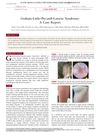
January 2023 in “Journal of Drugs in Dermatology”
1 citations
,
January 2023 in “Journal of Drugs in Dermatology” Early detection of Graham-Little-Piccardi-Lasseur syndrome is key for better management.
16 citations
,
July 1996 in “Journal of Investigative Dermatology” January 2013 in “edoc (University of Basel)” TRF1 is crucial for creating and maintaining stem cells and marks both pluripotent and adult stem cells.
 105 citations
,
February 1996 in “Journal of biological chemistry/The Journal of biological chemistry”
105 citations
,
February 1996 in “Journal of biological chemistry/The Journal of biological chemistry” The TGM3 gene's promoter region is key for skin and hair cell function and may aid gene therapy.
 38 citations
,
June 2015 in “Expert Opinion on Therapeutic Targets”
38 citations
,
June 2015 in “Expert Opinion on Therapeutic Targets” Blocking the prolactin receptor might help treat various diseases, but more research is needed.
January 2026 in “Biochemical Pharmacology”  April 2018 in “Journal of Investigative Dermatology”
 Fgf20 is important for the development and regulation of the cells that form the base of hair follicles.
January 2015 in “DSpace@MIT (Massachusetts Institute of Technology)” PHGDH promotes cancer growth by aiding cell proliferation and tumor progression.
IL-1 signaling is crucial for hair follicle stem cell growth and wound healing.