31 citations
,
September 2020 in “Stem Cell Research & Therapy” Hair follicle stem cells may help repair the brain after a stroke.
 26 citations
,
August 2019 in “Stem Cell Research & Therapy”
26 citations
,
August 2019 in “Stem Cell Research & Therapy” PBX1 helps hair stem cells grow and change by turning on certain cell signals and preventing cell death, which may be useful for hair regrowth treatments.
 17 citations
,
January 2014 in “Stem Cells Translational Medicine”
17 citations
,
January 2014 in “Stem Cells Translational Medicine” Canine epidermal neural crest stem cells could be a promising treatment for spinal cord injuries in dogs.
 12 citations
,
May 2019 in “Stem cell reviews”
12 citations
,
May 2019 in “Stem cell reviews” Fetal-maternal stem cells in a mother's hair can help with tissue repair and regeneration long after childbirth.
 9 citations
,
September 2021 in “Stem Cell Reviews and Reports”
9 citations
,
September 2021 in “Stem Cell Reviews and Reports” Hair follicle stem cells from aged eyelid skin can become corneal endothelial-like cells for potential eye treatments.
8 citations
,
March 2015 in “International Journal of Oncology” Tsc2-deficient stem cells can help understand and treat TSC-related tumors.
 5 citations
,
December 2017 in “Tissue and cell/Tissue & cell”
5 citations
,
December 2017 in “Tissue and cell/Tissue & cell” Researchers found stem cells in dog hair follicles using specific markers.
 3 citations
,
February 2014 in “Advances in Stem Cells”
3 citations
,
February 2014 in “Advances in Stem Cells” Placenta-derived stem cells can help study and treat spontaneous abortion.
 3 citations
,
January 2014 in “Elsevier eBooks”
3 citations
,
January 2014 in “Elsevier eBooks” Different stem cells have benefits and challenges for tissue repair, and more research is needed to find the best types for each use.
 1 citations
,
June 2010 in “Development”
1 citations
,
June 2010 in “Development” The document concludes that pig iPSCs show promise for transplant therapies and the field is advancing in controlling cell behavior for biology and medicine.
319 citations
,
November 2005 in “Proceedings of the National Academy of Sciences” Hair follicle stem cells can help repair damaged nerves.
 2 citations
,
December 2022 in “Journal of Biochemistry and Molecular Biology”
2 citations
,
December 2022 in “Journal of Biochemistry and Molecular Biology” Organoids created from stem cells are used to model diseases, test drugs, and develop personalized and regenerative medicine.
6 citations
,
March 2011 in “European Journal of Dermatology” Nestin-positive cells are important for hair follicle regeneration in alopecia areata.
 83 citations
,
May 2013 in “International Journal of Molecular Sciences”
83 citations
,
May 2013 in “International Journal of Molecular Sciences” Skin development in mammals is controlled by key proteins and signals from underlying cells, involving stem cells for maintenance and repair.
55 citations
,
August 2024 in “Heliyon” Stem cell transplantation shows promise for treating diseases but faces challenges like safety, ethics, and cost.
 48 citations
,
June 2014 in “Neurobiology of Disease”
48 citations
,
June 2014 in “Neurobiology of Disease” The study suggests that motor neurons created from stem cells of patients with spinal and bulbar muscular atrophy show signs of the disease, including changes in protein levels and cell functions.
23 citations
,
May 2019 in “Stem cell research & therapy” iPSC-derived stem cells on a special membrane can help repair full-thickness skin defects.
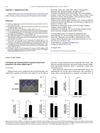 11 citations
,
June 2012 in “Journal of Dermatological Science”
11 citations
,
June 2012 in “Journal of Dermatological Science” Scientists identified a group of human skin cells with high growth and regeneration potential.
 9 citations
,
March 2011 in “Current Pharmaceutical Biotechnology”
9 citations
,
March 2011 in “Current Pharmaceutical Biotechnology” Stem cell therapies show promise for treating various diseases but face challenges in clinical use and require better monitoring techniques.
 7 citations
,
February 2018 in “InTech eBooks”
7 citations
,
February 2018 in “InTech eBooks” Biomaterials combined with stem cells show promise for improving tissue repair and medical treatments.
 5 citations
,
August 2013 in “InTech eBooks”
5 citations
,
August 2013 in “InTech eBooks” KLF4 is important for maintaining stem cells and has potential in cancer treatment and wound healing.
 1 citations
,
January 2013 in “Journal of Investigative Dermatology”
1 citations
,
January 2013 in “Journal of Investigative Dermatology” The document concludes that stem cells and their environments are crucial for skin and hair health and have potential for medical treatments.
 February 2026 in “BMC Plastic and Reconstructive Surgery”
 Induced pluripotent stem cells could improve chronic wound healing but face safety and effectiveness challenges.
 April 2017 in “Journal of Investigative Dermatology”
 Deleting the CRIF1 gene in mice disrupts skin and hair formation, certain proteins affect hair growth, a new compound may improve skin and hair health, blood cell-derived stem cells can create skin-like structures, and hair follicle stem cells come from embryonic cells needing specific signals for development.

Chemicals and stem cells combined have advanced regenerative medicine with few safety concerns, focusing on improving techniques and treatment effectiveness.
 480 citations
,
August 2014 in “Nature Biotechnology”
480 citations
,
August 2014 in “Nature Biotechnology” Changing the environment around stem cells could help tissue repair, but it's hard to be precise and avoid side effects.
 76 citations
,
February 2021 in “International Journal of Molecular Sciences”
76 citations
,
February 2021 in “International Journal of Molecular Sciences” Mesenchymal stem cells show potential for skin healing and anti-aging, but more research is needed for safe use, especially regarding stem cells from induced pluripotent sources.
 43 citations
,
July 2019 in “Stem Cells International”
43 citations
,
July 2019 in “Stem Cells International” Advancements in creating skin grafts with biomaterials and stem cells are promising, but more research is needed for clinical application.
 43 citations
,
January 2011 in “Plastic and Reconstructive Surgery”
43 citations
,
January 2011 in “Plastic and Reconstructive Surgery” Stem cells have great potential for improving wound healing, but more research is needed to find the best types and ways to use them.
33 citations
,
December 2015 in “International Journal of Molecular Sciences” Melanocyte stem cells are crucial for skin pigmentation and have potential in disease modeling and regenerative medicine.