Search
for
Sort by
Research
90-120 / 1000+ resultsresearch Finasteride
research Finasteride
research Finasteride
research Finasteride
research Finasteride
research Finasteride
research Finasteride
research Finasteride
research Finasteride
research Finasteride

research Faculty Opinions recommendation of Persistent sexual dysfunction and depression in finasteride users for male pattern hair loss: a serious concern or red herring?
Finasteride, a hair loss treatment, may cause long-term sexual dysfunction and depression.
research Editorial comment 1
Finasteride may reduce prostate cancer risk.
research GG01-19 FINASTERIDE 1 MG: SILENT IMPACTS ON MALE FERTILITY DESPITE PRESERVED HORMONAL BALANCE
Finasteride 1 mg/day reduces semen quality without affecting hormones or sexual function.
research Post-Finasteride Syndrome (PFS) Update: Point/Counterpoint
Finasteride's link to health issues like male breast cancer, infertility, and prostate cancer needs more research through placebo-controlled trials to confirm.
research Comment on Current Investigations into the Postfinasteride Syndrome
Finasteride is effective for hair regrowth, but some believe it may cause persistent symptoms due to psychological factors.
research 054 Post Finasteride Syndrome: Guess Who-Demographics from FDA Database
Younger people (median age 35) experience more PFS-like symptoms with 1mg finasteride; more research needed.

research Post-finasteride syndrome: An emerging clinical problem
Post-finasteride syndrome causes lasting sexual, neurological, and physical side effects in some people after taking finasteride.

research Finasteride treatment and neuroactive steroid formation.
Finasteride treatment can decrease certain steroids and increase others, possibly leading to depression symptoms in some cases.
research Post-Finasteride Syndrome: An Underestimated Phenomenon
Finasteride and dutasteride, used for prostate issues and hair loss, can cause side effects like sexual dysfunction and mental issues, which may continue even after stopping the medication, a condition called post-finasteride syndrome, for which there's currently no cure.
research 5 alpha-reductase inhibition by a new synthetic steroid (PM-9) in cultures of Penicillium crustosum.
PM-9, like finasteride, may help treat certain diseases by blocking a key enzyme.
research Systematic review: depression, suicidal ideation with finasteride
Finasteride increases risk of depression, possibly suicidal thoughts, and sexual dysfunction.
research (135) Post-Finasteride Syndrome: A Case Presentation and Discussion

research Safety update: psychiatric and sexual adverse effects with finasteride
Finasteride can cause depression, suicidal thoughts, and lasting psychiatric and sexual issues.
research Post-finasteride syndrome
Finasteride may cause lasting sexual, mental, and physical symptoms; use with caution.

research Persistent sexual dysfunction and depression in finasteride users for male pattern hair loss: a serious concern or red herring?
Finasteride, a hair loss drug, may cause sexual dysfunction and depression, but these effects are usually temporary and the drug is generally safe. More research is needed.
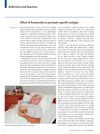
research Effect of finasteride on prostate-specific antigen
Finasteride significantly reduces PSA levels in men, and doctors should adjust PSA readings for those taking the drug.
research 698 Clinical analysis in young patient with persistent sexual dysfunctions after finasteride assumption to prevent male pattern hair loss
Finasteride for hair loss may cause long-lasting sexual side effects in young males.
research A comment on the post-finasteride syndrome
The true incidence of post-Finasteride syndrome is unclear, and more research is needed.