 July 2018 in “Kidney international”
 Genetic testing for EGFR mutations is crucial in similar cases.
 June 2018 in “Global Journal of Reproductive Medicine”
 Idiopathic hirsutism may be linked to increased skin enzyme activity, and new treatments like laser and eflornithine cream show promise.
 April 2018 in “Journal of Aesthetic Nursing”
 Professionals believe voluntary registers cannot ensure public safety like mandatory ones with laws.
 January 2018 in “Journal of The American Academy of Dermatology”
 A manual blood cell counter was effectively used to count hair follicles during surgery, being user-friendly and cost-effective but limited by a three-digit display.
 January 2018 in “Clinical dermatology open access journal”
 Chitosan is useful in skin treatments because it helps with wound healing and cell growth.
Hair loss causes emotional distress, leading to high spending on treatments, with Minoxidil and Propecia being common but having side effects.
 April 2017 in “The journal of investigative dermatology/Journal of investigative dermatology”
 HSD11b1 affects skin nerves and increases non-histaminergic itch.
 January 2016 in “Springer eBooks”
 New materials and methods could improve skin healing and reduce scarring.
 October 2015 in “Elsevier eBooks”
 Spironolactone can cause side effects like high potassium levels and breast enlargement, and patients need careful monitoring.
 October 2015 in “Elsevier eBooks”
 Aldesleukin can treat certain cancers and increase HIV patient CD4+ counts but often causes severe side effects.
 August 2015 in “International Journal of Genetics and Molecular Biology”
 Certain genetic markers may increase or decrease prostate cancer risk.
 August 2015 in “Postgraduate obstetrics & gynecology”
 Women with PCOS often have insulin resistance, abnormal lipid levels, and a higher risk of diabetes and heart disease; lifestyle changes and medication like metformin can help manage these risks.
 August 2015 in “Postgraduate obstetrics & gynecology”
 Women with PCOS often have metabolic issues like insulin resistance and a higher risk of diabetes and abnormal lipid levels.
 April 2015 in “Plastic and Reconstructive Surgery”
 TLR3 activation helps improve skin and hair follicle healing in mice.
 January 2015 in “International journal of reproduction, contraception, obstetrics and gynecology”
 Women with PCOS often have irregular periods, a higher chance of infertility and miscarriages, and may improve fertility with lifestyle changes and treatment.

The document concludes that accurate diagnosis and management of PCOS are crucial due to its associated health risks.
 January 2011 in “Journal of pediatric endocrinology & metabolism/Journal of pediatric endocrinology and metabolism”
 Hyperthyroidism can hide signs of high androgen levels in females.
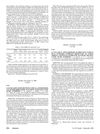 September 2008 in “Fertility and Sterility”
 Free fatty acids may increase androgen production, potentially contributing to polycystic ovary syndrome.
 September 2008 in “Fertility and Sterility”
 Exposure to fatty acids significantly increased androgen levels in female dogs, suggesting a link to conditions like insulin resistance and PCOS.
 October 2007 in “Current Respiratory Medicine Reviews”
 Women with PCOS are much more likely to have sleep problems and should be checked for them.
 January 2006 in “Fertility and Sterility”
 The book provides a detailed guide on managing Polycystic Ovary Syndrome and is useful for physicians.
 August 2004 in “Journal of the American College of Surgeons”
 Several genes, including Hox-7A, Stra6, and Lim-1, are involved in normal palate formation.
 January 1963 in “Stain technology”
 Ziehl-Neelsen's stain helps identify different parts of hair in sheep and goats.
 March 2022 in “International journal of pharmaceutical sciences review and research”
 PCOS is a hormonal issue in women that is usually treated with birth control pills, metformin, and lifestyle changes, with early treatment helping to reduce complications and improve life quality.
 October 2020 in “Journal of Pharmaceutical Sciences”
 Topical finasteride with EGCG or TA improves drug release and dermal uptake, potentially treating hair loss effectively.
 December 2016 in “Paleontological Journal”
 Hair growth can be induced by transplanting certain cells, but these cells lose their properties during culturing. The best cell interaction happens in a liquid medium under gravity, and using collagen doesn't help. Future research could focus on using growth factors to stimulate these cells.
 1 citations
,
January 2016 in “Elsevier eBooks”
1 citations
,
January 2016 in “Elsevier eBooks” The document concludes that a complete skin restoration biomaterial does not yet exist, and more clinical trials are needed to ensure these therapies are safe and effective.
68 citations
,
April 2014 in “Journal of Investigative Dermatology” Trichohyalin-like proteins are essential for the development of skin structures like hair, nails, and feathers.
July 1999 in “Journal of the American Academy of Dermatology” July 2024 in “Journal of Investigative Dermatology”