 67 citations
,
February 1983 in “The Journal of Dermatologic Surgery and Oncology”
67 citations
,
February 1983 in “The Journal of Dermatologic Surgery and Oncology” Vigilon, a new wound dressing, promotes faster and better healing with less pain.
 11 citations
,
January 2006 in “Drug development and industrial pharmacy”
11 citations
,
January 2006 in “Drug development and industrial pharmacy” Adding TPGS to minoxidil solutions can improve skin penetration and retention, especially in water and PEG 400-based solutions.
 8 citations
,
April 2019 in “ACS Biomaterials Science & Engineering”
8 citations
,
April 2019 in “ACS Biomaterials Science & Engineering” The new SIS-PEG sponge is a promising material for skin regeneration and hair growth.
5 citations
,
January 2004 in “Journal of applied polymer science” Urea helps hair dye penetrate better and last longer.
 2 citations
,
January 2007 in “Acta Dermato Venereologica”
2 citations
,
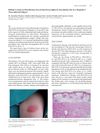
January 2007 in “Acta Dermato Venereologica” A patient developed a blister at the injection site after hepatitis C treatment.
 2 citations
,
September 1980 in “Experientia”
2 citations
,
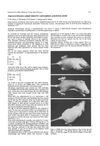
September 1980 in “Experientia” Polyethylene alanine caused hair loss in young lab animals but not in adults, with hair regrowth occurring within 20 days.
 April 2025 in “Tropical Journal of Natural Product Research”
 The optimized Moringa seed oil nanoemulsion may help with hair growth.
 80 citations
,
June 2008 in “Biomaterials”
80 citations
,
June 2008 in “Biomaterials” EVAL membranes help create cell structures that can regrow hair follicles.
29 citations
,
September 2020 in “Polymers” The PCL/PHB blend allows for slower, more controlled curcumin release than individual polymers.
 17 citations
,
May 2011 in “Gene Therapy”
17 citations
,
May 2011 in “Gene Therapy” Using polyethylenimine-DNA to deliver the hTERT gene can stimulate hair growth and may be useful in treating hair loss, but there could be potential cancer risks.
 13 citations
,
February 2018 in “Bio-medical Materials and Engineering”
13 citations
,
February 2018 in “Bio-medical Materials and Engineering” Minoxidil inside tiny particles can deliver more drug to hair follicles, potentially improving treatment for hair loss.
6 citations
,
October 2003 in “Journal of applied polymer science” A new method using poly(ethylene imine) improves hair dyeing at lower temperatures with better color retention.
 5 citations
,
April 2005 in “Journal of applied polymer science”
5 citations
,
April 2005 in “Journal of applied polymer science” PEI diffuses into hair at a constant rate, and urea speeds up this process.
 October 2025 in “Advanced Healthcare Materials”
 The hydrogels improve wound healing and tissue regeneration better than traditional treatments.
 August 2005 in “Microscopy and Microanalysis”
 Polymethylene wax in hair relaxers makes hair smooth and shiny with less damage.
 18 citations
,
October 2005 in “International Journal of Pharmaceutics”
18 citations
,
October 2005 in “International Journal of Pharmaceutics” Adding a small amount of TPGS to minoxidil can help hair growth, but too much TPGS reduces this effect and increases minoxidil in the blood.
January 2005 in “Belarusian State Pedagogical University repository (Belarusian State Pedagogical University)” 0.5% TPGS boosts hair growth with minoxidil, but 2% TPGS increases minoxidil absorption.
21 citations
,
March 2021 in “Molecules” The new formulation greatly improved quercetin absorption in rats.
 January 2024 in “Authorea (Authorea)”
 Using laccase to add poly(tyrosine) to wool makes it less likely to shrink and stronger.
February 2023 in “Materials today bio” The treatment effectively promotes hair regrowth in androgenetic alopecia without causing skin irritation.
 26 citations
,
June 2005 in “Journal of The American Academy of Dermatology”
26 citations
,
June 2005 in “Journal of The American Academy of Dermatology” Some patients receiving pegylated interferon alfa injections developed skin necrosis, requiring treatment adjustments or discontinuation.
 421 citations
,
January 2015 in “Chemical Society Reviews”
421 citations
,
January 2015 in “Chemical Society Reviews” Improving artificial vascular grafts requires better materials and surface designs to reduce blood clotting and support blood vessel cell growth.
 355 citations
,
August 2013 in “Acta Biomaterialia”
355 citations
,
August 2013 in “Acta Biomaterialia” The nanofibers with two growth factors improved wound healing by supporting structure, preventing infection, and aiding tissue growth.
 202 citations
,
August 2007 in “Biomaterials”
202 citations
,
August 2007 in “Biomaterials” Artificial skin development has challenges, but new materials and understanding cell behavior could improve tissue repair. Also, certain growth factors and hydrogel technology show promise for advanced skin replacement therapies.
 130 citations
,
January 2017 in “International journal of nanomedicine”
130 citations
,
January 2017 in “International journal of nanomedicine” Silver nanoparticles coated with substances like PEG showed strong antibacterial effects and improved wound healing when used in hydrogels.
83 citations
,
September 2021 in “Advanced functional materials” The DNA hydrogel helps heal diabetic wounds by absorbing fluids, warming, sticking to tissue, killing bacteria, and aiding tissue and hair regrowth.
 81 citations
,
February 2000 in “Anti-cancer drugs”
81 citations
,
February 2000 in “Anti-cancer drugs” Doxil showed some effectiveness against advanced prostate cancer but caused severe side effects at higher doses.
 58 citations
,
December 2012 in “Aaps Pharmscitech”
58 citations
,
December 2012 in “Aaps Pharmscitech” LCN may improve finasteride delivery for hair loss treatment.
 40 citations
,
June 2013 in “Molecular Pharmaceutics”
40 citations
,
June 2013 in “Molecular Pharmaceutics” The gelatin/β-TCP scaffold with nanoparticles improves wound healing and skin regeneration.
 26 citations
,
December 2021 in “Regenerative Biomaterials”
26 citations
,
December 2021 in “Regenerative Biomaterials” The hydrogel speeds up skin wound healing and helps regenerate tissue.