 5 citations
,
May 2023 in “Frontiers in immunology”
5 citations
,
May 2023 in “Frontiers in immunology” Environmental factors like diet and vitamin levels, especially Vitamin D, can affect autoimmune diseases differently, with lifestyle changes potentially improving outcomes.
 September 2024 in “Cureus”
 Guselkumab effectively treats skin reactions caused by adalimumab in certain conditions.
 467 citations
,
October 2014 in “European Journal of Endocrinology”
467 citations
,
October 2014 in “European Journal of Endocrinology” The European Society of Endocrinology advises individualized long-term management for PCOS, focusing on lifestyle changes, accurate diagnosis, and treatments for associated health risks and symptoms.
5 citations
,
September 2023 in “Clinical Endocrinology” Polymenorrhoea should be included in PCOS diagnostic criteria due to similar metabolic issues.
 May 2022 in “Annals of the Rheumatic Diseases”
 It's unclear if COVID-19 vaccination causes SLE; more research is needed.
2 citations
,
February 2024 in “Medicine” A mutation in the IL2RA gene increases the risk of alopecia areata.
 January 2017 in “Journal of clinical & experimental dermatology research”
 The case shows skin changes can indicate deeper health issues like insulin resistance, which are challenging to manage.
 June 2026 in “Institutional Repositories DataBase (IRDB)”
 Vitiligo can occur suddenly in Graves' disease patients with alopecia areata.
November 2023 in “Journal of Investigative Dermatology” Highly active but fewer CD14+CD16- monocytes are found in Alopecia Areata patients, regardless of severity.
 January 2024 in “Endocrine and metabolic science”
 Different types of PCOS need specific diagnosis methods and treatments.
60 citations
,
September 2004 in “Pediatric Dermatology” A girl developed vitiligo and psoriasis after hepatitis B treatment, and stopping the treatment didn't help.
1 citations
,
January 1986 in “PubMed” The boy's symptoms suggest a possible new medical condition.
SH-SY5Y cell lysate is effective for diagnosing Satoyoshi syndrome.
 30 citations
,
July 2019 in “PloS one”
30 citations
,
July 2019 in “PloS one” Patients with Alopecia areata have fewer specific immune cells that normally regulate the immune system, which may contribute to the condition.
October 2024 in “Journal of the Endocrine Society” Clinicians should be aware of alternating thyroid conditions and their treatment.
April 2019 in “Faculty Opinions – Post-Publication Peer Review of the Biomedical Literature” PCOS shares similar genetic traits across different diagnosis criteria and is linked to other health conditions.
1 citations
,
August 2016 in “Journal of Investigative Dermatology” Vδ1+ T-cells in the skin contribute to hair loss in alopecia areata and could be targeted for treatment.
May 2023 in “The Journal of Immunology” Expanding CD4+ Tregs can stop hair loss in alopecia areata.
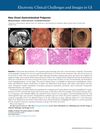 August 2013 in “Gastroenterology”
 A 60-year-old man with Cronkhite-Canada syndrome improved with treatment, but the condition has a high mortality rate and a risk of colorectal cancer.
March 2025 in “JAAD International” Alopecia areata is rare in organ transplant patients and may be linked to the drug tacrolimus.
4 citations
,
September 2010 in “Journal of Medical Case Reports” A man developed autoimmune issues after a transplant, improved with treatment, but died from leukemia relapse.
23 citations
,
December 2008 in “Pediatric neurology” The document adds two cases of Gomez-Lopez-Hernandez syndrome and suggests including trigeminal anesthesia and scalp alopecia as key diagnostic criteria.
2 citations
,
January 2018 Diffuse alopecia areata causes widespread hair thinning due to an autoimmune response.
61 citations
,
June 2010 in “Journal of the European Academy of Dermatology and Venereology” Anti-TNF-α therapy may increase the risk of developing alopecia areata, especially in those with a history of autoimmune disease.
2 citations
,
February 2023 in “Actas Dermo-Sifiliográficas” Baricitinib effectively improved both atopic dermatitis and alopecia areata symptoms in a patient.
November 2019 in “European journal of internal medicine” A Laotian man with unusual skin changes and multiple growths in his gut was diagnosed with Cronkhite-Canada Syndrome and improved with nutritional and immune-based treatments.

High insulin levels are more common and a better predictor of carbohydrate issues in women with PCOS than glucose tolerance tests.
May 2017 in “The journal of investigative dermatology/Journal of investigative dermatology” Topical immunotherapy for alopecia areata may work by creating immune cell clusters in the skin.
 4 citations
,
April 2016 in “Journal of The American Academy of Dermatology”
4 citations
,
April 2016 in “Journal of The American Academy of Dermatology” A patient with advanced kidney cancer and no hepatitis C developed skin inflammation due to a drug called interferon alpha-2a.
January 2025 in “Dermatology Online Journal” The man's hair loss and skin papules were diagnosed as atrichia with papular lesions, not alopecia areata universalis.