 29 citations
,
January 2021 in “Translational Psychiatry”
29 citations
,
January 2021 in “Translational Psychiatry” The research suggests that Tourette syndrome is linked to both brain signaling and immune system pathways.
47 citations
,
November 1966 in “Archives of Dermatology” Trichorrhexis nodosa is mainly caused by hair trauma, not a metabolic defect.
2 citations
,
November 2022 in “Zaporozhye Medical Journal” COVID-19 affects many body systems, causing a wide range of symptoms and complications.
January 2024 in “Diagnostics” Long COVID causes a wide range of long-lasting symptoms that change over time and are hard to diagnose and treat.
1 citations
,
January 2001 in “PubMed” Mechanoreceptors convert physical touch into electrical signals through specialized nerve structures.
18 citations
,
January 2018 in “BMC dermatology” A new mutation in the PLEC gene causes a rare condition with skin blistering, muscle weakness, and hair loss.
 10 citations
,
September 2022 in “Psychiatry and Clinical Neurosciences”
10 citations
,
September 2022 in “Psychiatry and Clinical Neurosciences” Long COVID affects over half of COVID-19 survivors, causing a range of symptoms like fatigue and neurological issues, with no specific treatment yet.
January 2015 in “Elsevier eBooks” Stem cells show promise for nerve injury treatment, but more research is needed before human use.
 September 1998 in “JEADV. Journal of the European Academy of Dermatology and Venereology/Journal of the European Academy of Dermatology and Venereology”
 Hair changes could indicate neurological diseases and help monitor treatment.
26 citations
,
May 2024 in “Molecular Neurodegeneration” H1 increases risk for neurodegenerative diseases, while H2 offers protection but is linked to other disorders.
 1 citations
,
September 2011 in “Journal of Dermatology”
1 citations
,
September 2011 in “Journal of Dermatology” A woman with a new PTCH gene mutation has both Gorlin syndrome and severe hair loss.
April 2023 in “Journal of Investigative Dermatology” Interface dermatitis is the most common skin change in drug-induced hypersensitivity syndrome.

A patient with Myotonic dystrophy type 1 had multiple tongue hemangiomas and was sensitive to anesthesia.
January 1998 in “The Nishinihon Journal of Dermatology” A 7-year-old girl was diagnosed with Netherton's Syndrome, shown by skin and hair symptoms.
 17 citations
,
September 2010 in “Pediatric dermatology”
17 citations
,
September 2010 in “Pediatric dermatology” A 15-year-old with KID syndrome developed a rare skin condition called PEHFN.
A new mutation in the TRPS1 gene caused Trichorhinophalangeal syndrome in a 17-year-old, highlighting the need for genetic testing.
99 citations
,
August 1998 in “Pain” Blocking GABA(A) receptors increases neuron sensitivity, showing GABA and glycine have different roles in pain.
October 2007 in “Revue du Rhumatisme”  December 2025 in “Portuguese Journal of Dermatology and Venereology”
 Erosive palmoplantar lichen planus in North-East India mainly affects the feet and often involves nails, with unique inflammatory skin changes.
31 citations
,
November 1991 in “Brain Research” Aδ-LTMRs have complex synapses with glycine, while Aβ-LTMRs have simpler ones.
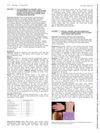
A TNFAIP3 gene mutation can cause unusual and varied symptoms of lupus and Sjogren's syndrome.
 April 2016 in “The journal of investigative dermatology/Journal of investigative dermatology”
 The back of the scalp has more nerve fibers than the front, which may explain why some people feel more sensitivity there.
 June 2025 in “Frontiers in Immunology”
 Anti-Ku antibodies are linked to unique symptoms and may involve autophagy issues.
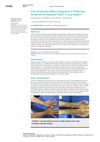
Doctors should consider Netherton syndrome in patients with chronic skin and hair issues to avoid misdiagnosis.
There is no cure for myotonic dystrophy type 1, so treatment focuses on managing symptoms and complications.
 50 citations
,
May 2019 in “Drugs”
50 citations
,
May 2019 in “Drugs” Cannabinoids may help treat chronic and chemotherapy-induced neuropathic pain, but more research is needed to confirm their effectiveness and safety.
 April 2024 in “International journal of research in dermatology”
 Azathioprine can cause hair loss and matted hair.
September 2024 in “Actas Dermo-Sifiliográficas” Trichodynia is a painful scalp condition linked to hair loss and mental health issues, with limited treatment options.
23 citations
,
March 2017 in “JAAD case reports” The document suggests a possible link between FAM111B gene mutations and increased cancer risk, particularly pancreatic cancer.
 October 2013 in “Journal of the American College of Cardiology”
 Autonomic dysfunction is common in hypertensives but may not cause diastolic dysfunction in resistant hypertension.