
Female rats showed more panic-related behavior than males, influenced by hormonal cycles and certain drugs.
 September 2022 in “Acta Medica”
 The pandemic caused new skin problems in children, mainly due to mask-wearing and stress.
 July 2021 in “Research Square (Research Square)”
 Semecarpus anacardium leaf extract fights breast cancer and extends survival in mice.

PlacMA hydrogels from human placenta are versatile and useful for cell culture and tissue engineering.
 September 2019 in “Asian Journal of Pharmaceutical and Clinical Research”
 Teak seed extract is safe and reduces pain in mice.
 December 2018 in “Zenodo (CERN European Organization for Nuclear Research)”
 Biofield Energy Treatment may boost hair growth.
Biofield Energy Healing may help hair growth and skin health.
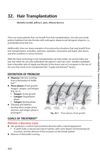 January 2018 in “Georg Thieme Verlag eBooks”
 Hair transplantation is a surgical procedure to move hair to bald areas, requires good donor hair, and results show in about a year.
 January 2018 in “Springer eBooks”
 Athletes need effective management of skin disorders for their performance and well-being.
 January 2018 in “Clinical dermatology open access journal”
 The Biofield Energy Treated herbal mixture increased hair growth in mice compared to the untreated mixture.
 April 2017 in “Plastic and reconstructive surgery. Global open”
 Fetal scalp cells have more regenerative genes than adult cells, and decellularized muscle matrix is better for muscle repair than commercial alternatives.
 January 2012 in “Elsevier eBooks”
 New treatments for skin and hair repair show promise, but further improvements are needed.
 January 2011 in “Der Pharmacia Lettre”
 Pig oil was found to significantly promote hair growth in rats, more effectively than Minoxidil.
 March 2003 in “BJOG: An International Journal of Obstetrics and Gynaecology”
 Mothers and newborns with dental fillings have higher mercury in their hair, but adding fillings during pregnancy doesn't raise mercury levels further.

Improve ventilation and address environmental issues to reduce health complaints.
 March 2022 in “Marmara University Open Access System”
 Digital games are part of new media but need a deeper look at their complex nature and cultural roots.
 January 2018 in “Journal of cosmetology & trichology”
 The Automatic Biofibre® Hair Implant is a fast and effective hair restoration method that provides immediate cosmetic benefits and good results in over 90% of cases, but requires proper care to avoid complications.
 November 2020 in “Psychoneuroendocrinology”
 Finasteride might affect memory by impacting cholinergic system.
 July 2020 in “Environmental Science and Pollution Research”
 Finasteride harms invertebrates' survival and burial ability.

EFBL offers hidden incisions, faster recovery, and fewer risks, but may raise hairline and cost more.
 January 2014 in “Journal of Pharmaceutical Negative Results”
 Liquorice and Indian jujube root extracts don't help in fighting male pattern baldness.
 August 2002 in “Dermatologic Surgery”
 Fluridil safely promotes hair growth in men with androgenetic alopecia.
 262 citations
,
May 2017 in “Nanomedicine”
262 citations
,
May 2017 in “Nanomedicine” New nanofiber technology improves wound healing by supporting cell growth and delivering treatments directly to the wound.
 202 citations
,
August 2007 in “Biomaterials”
202 citations
,
August 2007 in “Biomaterials” Artificial skin development has challenges, but new materials and understanding cell behavior could improve tissue repair. Also, certain growth factors and hydrogel technology show promise for advanced skin replacement therapies.
 130 citations
,
August 2020 in “Drug Design Development and Therapy”
130 citations
,
August 2020 in “Drug Design Development and Therapy” Nanoparticles can improve skin drug delivery but have challenges like toxicity and stability that need more research.
 119 citations
,
March 2020 in “Frontiers in Bioengineering and Biotechnology”
119 citations
,
March 2020 in “Frontiers in Bioengineering and Biotechnology” Asia has made significant progress in tissue engineering and regenerative medicine, but wider clinical use requires more development.
 79 citations
,
January 2015 in “Journal of Materials Chemistry B”
79 citations
,
January 2015 in “Journal of Materials Chemistry B” Smart biomaterials that guide tissue repair are key for future medical treatments.
 43 citations
,
February 2020 in “Clinica chimica acta”
43 citations
,
February 2020 in “Clinica chimica acta” Nano-sized plant-based chemicals could improve cervical cancer treatment by being more effective and causing fewer side effects than current methods.
 43 citations
,
July 2016 in “European journal of pharmaceutical sciences”
43 citations
,
July 2016 in “European journal of pharmaceutical sciences” Scientists created tiny particles that release medicine on the skin and in hair, working better at certain pH levels and being safe for skin cells.
 32 citations
,
June 2017 in “Journal of Pharmaceutical Sciences”
32 citations
,
June 2017 in “Journal of Pharmaceutical Sciences” Chitosan-coated nanoparticles improve skin delivery of hair loss treatments with fewer side effects.