25 citations
,
September 1995 in “Biochemistry and Cell Biology” High levels of human keratin 16 in mice cause skin lesions and abnormal skin development.
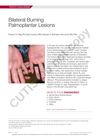
The woman was diagnosed with lichen sclerosus, a rare skin condition, after initial misdiagnosis and ineffective treatments.
88 citations
,
June 2000 in “Journal of Investigative Dermatology” Keratin 17 is important for hair and nail structure and affects pachyonychia congenita symptoms.
44 citations
,
August 1990 in “PubMed” Keratins K1 and K10 are found in the inner root sheath and cuticle of human hair follicles.
198 citations
,
November 1989 in “The Journal of Cell Biology” Keratin K14 expression varies between hair follicles and epidermis, affecting cell differentiation.
38 citations
,
July 1993 in “Journal of Investigative Dermatology” 50 citations
,
April 2019 in “Journal of Biosciences”  June 2024 in “British Journal of Dermatology”
 KRT14 gene variants cause dermatopathia pigmentosa reticularis, affecting nails, teeth, and hair.
7 citations
,
April 2004 in “International Journal of Dermatology” The newborn's skin blistering is due to a genetic condition called epidermolytic hyperkeratosis.
4 citations
,
September 2015 in “JAAD case reports” Substance P may play a role in the inflammation seen in keratosis follicularis spinulosa decalvans.
29 citations
,
October 2010 in “Journal of Investigative Dermatology” Activating Kras in mouse skin causes excess skin and hair loss.
 2 citations
,
November 2019 in “Cancer reports”
2 citations
,
November 2019 in “Cancer reports” The Wnt signaling pathway is not a major factor in the development of keratoacanthoma, a type of skin tumor.
57 citations
,
January 1987 in “Journal of Biological Chemistry” Different keratins have unique expression patterns in mouse skin cells.
 April 2018 in “Journal of Investigative Dermatology”
 The keratin network in mouse skin changes during cornification and affects the skin's protective barrier.
 2 citations
,
August 2013 in “British Journal of Dermatology”
2 citations
,
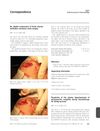
August 2013 in “British Journal of Dermatology” Chemotherapy improved a girl's painful foot condition linked to pachyonychia congenita.
2 citations
,
January 1990 in “PubMed” Perforating folliculitis is a skin condition with small bumps that may be linked to other diseases and is hard to treat.
61 citations
,
September 1994 in “Journal of Medical Genetics” Pachyonychia congenita is linked to a keratin gene on chromosome 17.
18 citations
,
January 1992 in “Dermatology” A 4-year-old girl has a rare condition causing hairlessness and skin bumps, but normal teeth and sweating.
185 citations
,
December 2010 in “Archives of Biochemistry and Biophysics” Keratin gene mutations cause various skin and hair disorders, but new research offers hope for future treatments.
33 citations
,
August 2014 in “Veterinary Dermatology” Keratinocytes play a key role in skin health, but more research is needed.
36 citations
,
December 2004 in “British Journal of Dermatology” The cyst had unusual keratin spherules and resembled bone marrow.
187 citations
,
May 1988 in “Differentiation” Trichocytic cytokeratins are found in hair, nails, tongue, and thymus cells, showing complex regulation in tissue development.
 April 2017 in “Journal of Investigative Dermatology”
 Scientists can control how skin stem cells divide by using different treatments.
 January 2024 in “The Indian Veterinary Journal”
 A young goat with skin issues improved with medication and supplements.
 1398 citations
,
May 2008 in “Histochemistry and Cell Biology”
1398 citations
,
May 2008 in “Histochemistry and Cell Biology” Keratins are crucial for cell stability, wound healing, and cancer diagnosis.
37 citations
,
May 1998 in “Journal of Dermatological Science” Basal cell carcinoma shows keratin patterns similar to undifferentiated hair follicle cells.
7 citations
,
December 1970 in “Biochimica et Biophysica Acta (BBA) - Protein Structure” 8 citations
,
January 2011 in “International journal of trichology” Accurate diagnosis of APL is crucial to avoid unnecessary treatments.
37 citations
,
September 2005 in “Australasian Journal of Dermatology” A man with scalp and neck skin issues improved after a year of oral isotretinoin.
15 citations
,
September 2002 in “Journal of Biological Chemistry” Abnormal keratin expression in mice causes severe oral issues, affecting feeding.