 April 2012 in “Journal of the American Academy of Dermatology”
 Clofazimine effectively treated ashy dermatosis in a patient.
7 citations
,
September 2021 in “Antimicrobial Agents and Chemotherapy” Olorofim effectively treats fungal skin infections.
2 citations
,
January 2016 in “İzmir Dr.Behçet Uz çocuk hastanesi dergisi” A child's scalp infection was caused by a fungus not previously known to do so, but it was successfully treated.
 1 citations
,
September 2022 in “International Journal of Trichology”
1 citations
,
September 2022 in “International Journal of Trichology” Tofacitinib can be effective in treating hair loss caused by alopecia areata.
 22 citations
,
January 2009 in “Medical mycology”
22 citations
,
January 2009 in “Medical mycology” A family got a fungal infection from a boy who had contact with rabbits, but they all recovered with treatment.
 November 2020 in “International journal of pharmaceutical compounding”
 A stable and simple finasteride suspension was developed that retains over 94.3% of its concentration for up to 90 days and doesn't significantly increase occupational exposure, but safety measures are still advised.
 10 citations
,
May 2017 in “CMAJ. Canadian Medical Association journal”
10 citations
,
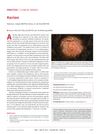
May 2017 in “CMAJ. Canadian Medical Association journal” The boy had a fungal scalp infection called kerion, which was cured with oral antifungal medication.
3 citations
,
February 2017 in “The American journal of dermatopathology/American journal of dermatopathology” Sarcoidosis can mimic other skin disorders, making diagnosis challenging.
 8 citations
,
November 2002 in “The Canadian journal of psychiatry/Canadian journal of psychiatry”
8 citations
,
November 2002 in “The Canadian journal of psychiatry/Canadian journal of psychiatry” Increasing olanzapine caused hair loss in a woman, which stopped after changing medication.
13 citations
,
December 2012 in “Medical mycology case reports” Misdiagnosis led to permanent hair loss, stressing the need for proper scalp tests.
 October 2025 in “Indian Dermatology Online Journal”
 Trichoscopy helped correctly diagnose and treat a scalp and eyebrow fungal infection.
 October 2025 in “Pharmaceutical Development and Technology”
 Cubosomal gels enhance skin absorption of cetirizine better than niosomal gels.
5 citations
,
January 1995 in “Journal of Dermatological Treatment” Calcipotriol does not improve the effectiveness of squaric acid dibutylester in treating alopecia areata.
December 2025 in “Toxicology and Applied Pharmacology” 4 citations
,
December 2024 in “Archives of Dermatological Research” 37 citations
,
October 2010 in “JDDG Journal der Deutschen Dermatologischen Gesellschaft” Griseofulvin is the best treatment for tinea capitis in children, but more research is needed on other treatments and safety.
 June 2024 in “Infection and Drug Resistance”
 An adult woman with scalp infection recovered after antifungal treatment, with no return of symptoms.
July 2022 in “British Journal of Dermatology”  April 2026 in “Frontiers in Medicine”
 Upadacitinib effectively treats psoriasis and lichen planus together.
 14 citations
,
June 2019 in “BMC infectious diseases”
14 citations
,
June 2019 in “BMC infectious diseases” A rare fungal infection on a child's scalp was successfully treated with antifungal medication.
2 citations
,
August 2002 in “British Journal of Ophthalmology” Tangent screens help detect visual field defects from vigabatrin.
3 citations
,
November 1998 in “PubMed” Systemic therapy is needed for deep hair follicle infections, and proper dosage is crucial for treatment success.
22 citations
,
March 1999 in “International Journal of Clinical Practice” Diphencyprone (DCP) is an effective treatment for severe alopecia areata and resistant warts, with some risks.
5 citations
,
January 2017 in “Nevrologiâ, nejropsihiatriâ, psihosomatika” Sustained-release sodium valproate is effective in treating epilepsy, with some side effects influenced by genetics.
 10 citations
,
January 2008 in “Acta dermato-venereologica”
10 citations
,
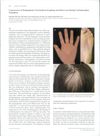
January 2008 in “Acta dermato-venereologica” Carbamazepine caused hair loss and skin eruptions in a woman, which improved after stopping the medication.
2 citations
,
December 2017 in “PubMed” A long-term pubic rash was finally diagnosed as white piedra and cured with ketoconazole.
January 2016 in “Refubium (Universitätsbibliothek der Freien Universität Berlin)” CAP7.1 is generally safe at 200 mg/m²/day, but can cause fatigue, nausea, hair loss, fever, and blood-related issues.
33 citations
,
November 2020 in “AAPS PharmSciTech”