 27 citations
,
December 2020 in “Experimental Dermatology”
27 citations
,
December 2020 in “Experimental Dermatology” Grey hair and baldness may be linked to COVID-19 severity, but more analysis is needed; post-infectious hair loss is related to the severity of the disease and usually recovers within 3-6 months.
 7 citations
,
December 2021 in “Journal of Infection”
7 citations
,
December 2021 in “Journal of Infection” One in four people still had symptoms like weight loss, hair loss, and fatigue 12-14 weeks after recovering from COVID-19.
 80 citations
,
February 2021 in “Cureus”
80 citations
,
February 2021 in “Cureus” Many COVID-19 survivors continue to experience symptoms like fatigue and concentration problems after recovery, possibly needing rehabilitation.
1 citations
,
October 2025 in “Journal of the American Society of Nephrology” COVID-19 vaccination may cause kidney inflammation, treatable with steroids and Cellcept.

Hair loss after COVID-19 is common, starts sooner in severe cases, and often comes with scalp pain.
 4 citations
,
February 2022 in “Journal of Cosmetic Dermatology”
4 citations
,
February 2022 in “Journal of Cosmetic Dermatology” Monocytes might be linked to hair loss after COVID-19.
 September 2022 in “Journal of The American Academy of Dermatology”
 A woman's COVID-19 related hair loss improved after using a specific hair care routine for 30 days.

Many Egyptian women who were hospitalized for COVID-19 experienced significant hair loss afterwards.
 32 citations
,
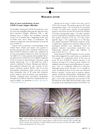
July 2021 in “Journal of The American Academy of Dermatology”
32 citations
,
July 2021 in “Journal of The American Academy of Dermatology” Hair loss from COVID-19 usually starts around 45 days after infection and lasts about 47.5 days.

COVID-19 infection and vaccination are linked to hair loss, especially in women and those with nutritional deficiencies.

Icosapent ethyl may help treat long-lasting symptoms after COVID-19.
 February 2025 in “The Open Dermatology Journal”
 Many COVID-19 survivors, especially women, experience hair loss and skin color changes, needing specific post-recovery care.
 25 citations
,
December 2021 in “Journal of Medical Virology”
25 citations
,
December 2021 in “Journal of Medical Virology” COVID-19 can cause a type of hair loss that usually starts 74 days after infection, affecting mostly women, but most patients eventually recover.
3 citations
,
November 2022 in “Clinical Cosmetic and Investigational Dermatology” The pandemic changed the types of skin conditions seen, not the number of visits.
20 citations
,
March 2022 in “Journal of clinical medicine” Nearly half of the studied men with long COVID had low testosterone, including younger men.
 February 2023 in “Journal of clinical medicine research”
 Zinc acetate hydrate may help reduce fatigue and hair loss in post-COVID-19 patients.
139 citations
,
December 2021 in “Journal of Clinical Medicine” Fatigue is the most common symptom in both ongoing symptomatic COVID-19 and post-COVID-19 syndrome.
4 citations
,
June 2022 in “Journal of food bioactives” Eating plant-based anti-inflammatories and antioxidants may help manage long-term COVID-19 health issues.
 November 2025 in “Health Promotion Evidence”
 Post-COVID-19 hair loss can be treated effectively with therapies like light therapy, microneedling, and scalp massage.
 April 2024 in “REVISTA INTERDISCIPLINAR CIÊNCIAS MÉDICAS”
 COVID-19 increased hair loss, especially in women, linked to Azithromycin use and symptoms like fatigue and skin irritation.
 February 2024 in “Recima21”
 Covid-19 can cause hair loss due to immune and psychological factors.
 March 2024 in “Advancements in Homeopathic Research”
 Homoeopathy has helped treat hair loss after Covid-19, considering the patient's overall condition.
 October 2025 in “Dermatology Practical & Conceptual”
 Severe COVID-19 often leads to hair loss in India.
 January 2021 in “Journal of Pakistan Association of Dermatology”
 COVID-19 recovery can lead to temporary hair loss called telogen effluvium.
 December 2023 in “Damianus Journal of Medicine”
 Post-COVID-19 patients are at risk for hair loss.
1 citations
,
August 2025 in “Biomedicines” Most COVID-19 survivors developed post-acute symptoms, especially if they had been in the ICU, but the severity of initial infection didn't predict these symptoms.
 June 2024 in “Al- Anbar Medical Journal”
 Acute telogen effluvium can be resolved by addressing causes, but chronic telogen effluvium is harder to treat.
 July 2023 in “Journal of the European Academy of Dermatology and Venereology”
 Hair loss can indicate various health issues, including serious diseases, hormonal imbalances, and can significantly affect personal life and mental health.
 April 2022 in “Journal of biotechnology and strategic health research”
 COVID-19 infection may cause hair loss a few months after recovery.

Topical Minoxidil is effective for hair loss after COVID-19.