 September 2023 in “Brazilian Journal of Health Review”
 COVID-19 may cause a common type of hair loss called telogen effluvium.
 2 citations
,
April 2021 in “International Journal of Dermatology”
2 citations
,
April 2021 in “International Journal of Dermatology” COVID-19 can cause skin issues like hives, rashes, and chickenpox-like eruptions, with women aged 31-40 being the most affected.
 January 2024 in “International Journal of Applied Research”
 COVID-19 may cause hair loss, especially in young adults.
 March 2022 in “Journal of Clinical Case Studies Reviews & Reports”
 COVID-19 can cause or worsen skin conditions and might show early signs of infection.
 March 2022 in “Journal of clinical case studies reviews & reports”
 COVID-19 can cause different skin issues, including rashes and hair loss.
 11 citations
,
May 2021 in “Journal of The American Academy of Dermatology”
11 citations
,
May 2021 in “Journal of The American Academy of Dermatology” COVID-19 doesn't make alopecia areata worse.
 25 citations
,
July 2021 in “Journal of Medical Virology”
25 citations
,
July 2021 in “Journal of Medical Virology” COVID-19 can cause various skin issues, including rashes and hair loss, which usually heal on their own and don't always indicate severe illness.
 December 2022 in “International Journal of Biomedicine”
 Androgens may worsen COVID-19 and hair loss could indicate the disease's severity.
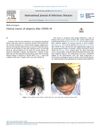 5 citations
,
May 2021 in “International Journal of Infectious Diseases”
5 citations
,
May 2021 in “International Journal of Infectious Diseases” A man experienced hair loss after getting COVID-19, which improved with treatment and might have been triggered by stress related to the illness.

Quality of life improved after COVID-19, but ongoing health support is needed.
 October 2025 in “Journal of Pharmacy And Bioallied Sciences”
 Post-COVID, many patients experience skin issues like hair loss and herpes reactivation, especially in middle-aged women.
 8 citations
,
January 2022 in “Cureus”
8 citations
,
January 2022 in “Cureus” A man's hair grew back to almost normal 7 months after COVID-19 without needing treatment.
January 2025 in “Updates in clinical dermatology” COVID-19 vaccines can cause minor skin reactions, including those related to Bullous Pemphigoid, but these usually resolve on their own.
January 2025 in “Updates in clinical dermatology” COVID-19 and its vaccine can cause skin issues, but most are minor and resolve on their own.
 2 citations
,
August 2021 in “Revista Da Associacao Medica Brasileira”
2 citations
,
August 2021 in “Revista Da Associacao Medica Brasileira” The COVID-19 pandemic has increased hair loss and psychological distress in women.
 25 citations
,
February 2022 in “JAAD International”
25 citations
,
February 2022 in “JAAD International” Some COVID-19 patients lose hair, with the most common type linked to male hormones and possibly increasing the risk of severe illness.
 6 citations
,
May 2022 in “Frontiers in Medicine”
6 citations
,
May 2022 in “Frontiers in Medicine” The study suggests pandemic stress might worsen or trigger hair loss problems.
 1 citations
,
October 2022 in “Cureus”
1 citations
,
October 2022 in “Cureus” Over half of the participants in a Saudi Arabian survey experienced hair loss after COVID-19, affecting women and younger people more, with a small percentage feeling a severe impact on their lives.
 April 2023 in “Journal of Investigative Dermatology”
 People who had severe COVID-19 are more likely to experience hair loss.
 November 2025 in “Scientific Reports”
 COVID-19 may cause hair loss by affecting hair follicles.
 August 2024 in “International Journal of Medicine”
 COVID-19 can cause hair loss, and managing it involves counseling, diet changes, and treatments.

COVID-19 can cause hair loss and nail issues, with treatments available for these conditions.
 2 citations
,
January 2023 in “Dermatology practical & conceptual”
2 citations
,
January 2023 in “Dermatology practical & conceptual” COVID-19 diagnosis is linked to new or worsening hair diseases, with stress from the pandemic likely contributing.
 October 2022 in “Research, Society and Development”
 Hair loss is a symptom of long COVID and can be treated with a protein-rich diet.
COVID-19 can cause various skin issues, from mild rashes to severe conditions.
October 2021 in “Brazilian Journal of Health Review” COVID-19 can cause skin issues like rashes and hair loss, which may last even after recovery.
 January 2024 in “Annals of Agricultural and Environmental Medicine”
 Red LED light therapy helps reduce hair loss and improves hair regrowth in long COVID patients.
 4 citations
,
March 2023 in “Journal of the European Academy of Dermatology and Venereology”
4 citations
,
March 2023 in “Journal of the European Academy of Dermatology and Venereology” COVID-19 can cause a temporary hair loss condition.
 January 2025 in “Annals of Dermatology”
 COVID-19 vaccination may slightly increase the risk of hair loss, but benefits outweigh this risk.

Migrant and minority communities face higher rates of alopecia due to genetic, environmental, and cultural factors, needing better healthcare access and culturally aware treatments.