 63 citations
,
October 1972 in “British Journal of Dermatology”
63 citations
,
October 1972 in “British Journal of Dermatology” Women with thinning hair have thinner hair strands than women without hair loss.
 39 citations
,
October 1967 in “British Journal of Dermatology”
39 citations
,
October 1967 in “British Journal of Dermatology” Hair loss in women often doesn't follow a pattern, isn't linked to age, may be genetic, and can be related to thyroid issues or other health factors.
 1 citations
,
May 1965 in “Medical Clinics of North America”
1 citations
,
May 1965 in “Medical Clinics of North America” Hair growth dysfunction involves various conditions with limited treatment options.
 April 2023 in “Clinical dermatology review”
 COVID-19 infection may cause hair loss.
 16 citations
,
August 1967 in “JAMA”
16 citations
,
August 1967 in “JAMA” Oral contraceptives may cause hair loss in women.
 1 citations
,
June 2007 in “Journal of Oral and Maxillofacial Surgery”
1 citations
,
June 2007 in “Journal of Oral and Maxillofacial Surgery” A woman experienced temporary hair loss after jaw surgery due to the stress of the operation.
 4 citations
,
January 2012 in “Elsevier eBooks”
4 citations
,
January 2012 in “Elsevier eBooks” The document concludes that various skin conditions have specific treatments, ranging from antihistamines for urticaria to surgery and medication for tumors and chronic skin diseases.
 26 citations
,
January 2013 in “BioMed Research International”
26 citations
,
January 2013 in “BioMed Research International” Hormonal changes after childbirth and menopause can lead to women's hair loss and facial hair growth, with a need for better treatments.
 June 2024 in “Archives of dermatological research”
 Dietary supplements might help prevent post-COVID hair loss, but serum ferritin is not a reliable indicator.
 35 citations
,
November 2020 in “Dermatologic Therapy”
35 citations
,
November 2020 in “Dermatologic Therapy” Severe COVID-19 may cause hair loss, and doctors recommend supplements and topical treatments to manage it.
 June 2017 in “Journal of The American Academy of Dermatology”
 Teriflunomide often causes mild to moderate hair thinning and loss in MS patients, which usually improves with or without treatment.
 80 citations
,
March 2004 in “Neuropediatrics”
80 citations
,
March 2004 in “Neuropediatrics” Coats' Plus is a genetic disorder with eye abnormalities, brain calcification, poor growth, bone and skin issues, and movement disorders.
 3 citations
,
June 1989 in “Diseases of the Colon & Rectum”
3 citations
,
June 1989 in “Diseases of the Colon & Rectum” Some patients temporarily lost hair after a certain bowel surgery, but it grew back without needing special treatment.
 14 citations
,
April 2017 in “American Journal of Transplantation”
14 citations
,
April 2017 in “American Journal of Transplantation” Skin problems from transplant drugs are common and need careful management in organ transplant patients.
 67 citations
,
November 2002 in “Journal of The American Academy of Dermatology”
67 citations
,
November 2002 in “Journal of The American Academy of Dermatology” The document concludes that careful evaluation is key to diagnose and treat women with hair loss, with tests for thyroid, iron, and hormones as needed.
 1 citations
,
January 2023 in “Brazilian Journals Editora eBooks”
1 citations
,
January 2023 in “Brazilian Journals Editora eBooks” Children's screen time increased during the pandemic, causing various health issues.
 72 citations
,
November 2015 in “Multiple Sclerosis and Related Disorders”
72 citations
,
November 2015 in “Multiple Sclerosis and Related Disorders” Teriflunomide is safe and tolerable for treating relapsing-remitting multiple sclerosis, with manageable side effects.
 4 citations
,
February 2022 in “Journal of Cosmetic Dermatology”
4 citations
,
February 2022 in “Journal of Cosmetic Dermatology” Monocytes might be linked to hair loss after COVID-19.
 5 citations
,
July 2003 in “Pediatric Critical Care Medicine”
5 citations
,
July 2003 in “Pediatric Critical Care Medicine” Most patients experience temporary hair loss after ECMO, but it usually grows back within 6 months without treatment.
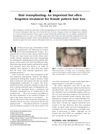 43 citations
,
October 2003 in “Journal of The American Academy of Dermatology”
43 citations
,
October 2003 in “Journal of The American Academy of Dermatology” Hair transplanting is a useful, often overlooked treatment for female pattern hair loss.
 7 citations
,
May 2014 in “Clinical practice”
7 citations
,
May 2014 in “Clinical practice” Cooling the scalp may prevent hair loss from chemotherapy, hair often grows back after treatment, and nail issues usually improve after stopping the drug.
 234 citations
,
December 1996 in “Journal of The American Academy of Dermatology”
234 citations
,
December 1996 in “Journal of The American Academy of Dermatology” Middle-aged women with chronic telogen effluvium experience increased hair shedding but usually don't get significantly thinner hair.
 13 citations
,
February 2016 in “Clinical Medicine”
13 citations
,
February 2016 in “Clinical Medicine” The document concludes that diagnosing and treating hair loss is complex and requires understanding its psychological effects and underlying causes, while also calling for more research and new treatments.
 214 citations
,
March 1993 in “Archives of Dermatology”
214 citations
,
March 1993 in “Archives of Dermatology” Telogen effluvium is a reversible hair loss condition that requires a detailed diagnosis and often resolves on its own.
 42 citations
,
November 2004 in “Paediatric Respiratory Reviews”
42 citations
,
November 2004 in “Paediatric Respiratory Reviews” Children generally have milder SARS symptoms than adults, with good outcomes and no deaths reported, but long-term effects are unclear.
 October 2023 in “Journal of Preventive Diagnostic and Treatment Strategies in Medicine”
 Low ferritin and Vitamin D levels may cause hair loss after COVID-19.
 December 2023 in “Journal of family medicine and primary care”
 Many people in Saudi Arabia experienced hair loss after COVID-19, especially women, those treated with antivirals, and those with a history of hair shedding.
 November 2022 in “Journal of clinical images and medical case reports”
 COVID-19 can cause hair loss in both severe and mild cases, often affecting women.
 2 citations
,
September 2021 in “Orphanet Journal of Rare Diseases”
2 citations
,
September 2021 in “Orphanet Journal of Rare Diseases” People with hypohidrotic ectodermal dysplasia are more likely to experience long-term fatigue and hair loss after COVID-19.
research Hair
May 2024 in “Australasian Journal of Dermatology” Alopecia areata causes significant emotional and social challenges, especially with more hair loss.