 131 citations
,
September 2017 in “Molecular and Cellular Endocrinology”
131 citations
,
September 2017 in “Molecular and Cellular Endocrinology” The document concludes that blocking the internal pathways that create androgens might help treat cancers that depend on sex hormones.
 120 citations
,
October 2007 in “Clinical Interventions in Aging”
120 citations
,
October 2007 in “Clinical Interventions in Aging” Estrogens help reduce skin aging, and SERMs might offer similar benefits without the risks of hormone therapy.
 104 citations
,
January 2005 in “Climacteric”
104 citations
,
January 2005 in “Climacteric” Drospirenone is a unique progestin with anti-water retention and potential blood pressure benefits, used in birth control and hormone therapy.
 98 citations
,
January 2013 in “Journal of The American Academy of Dermatology”
98 citations
,
January 2013 in “Journal of The American Academy of Dermatology” Dutasteride may help stabilize Frontal Fibrosing Alopecia, but more research is needed.
 82 citations
,
January 2000 in “Hormone Research in Paediatrics”
82 citations
,
January 2000 in “Hormone Research in Paediatrics” DHEA stimulates skin oil glands and could help postmenopausal women, with potential for acne and excessive hair growth treatments.
 76 citations
,
May 2007 in “Menopause International”
76 citations
,
May 2007 in “Menopause International” After menopause, women lose a lot of skin collagen, but estrogen replacement might improve skin health.
 63 citations
,
October 2011 in “Archives of Dermatology”
63 citations
,
October 2011 in “Archives of Dermatology” Isolated long hairs at the original hairline can help diagnose Frontal Fibrosing Alopecia.
 61 citations
,
January 2019 in “American Journal of Clinical Dermatology”
61 citations
,
January 2019 in “American Journal of Clinical Dermatology” The cause of Frontal Fibrosing Alopecia is unclear, diagnosis involves clinical evaluation and various treatments exist, but their effectiveness is uncertain.
 59 citations
,
August 2004 in “Human Reproduction Update”
59 citations
,
August 2004 in “Human Reproduction Update” Testosterone replacement can help women with low libido and mood, but they need to have enough estrogen first to avoid side effects.
 51 citations
,
October 2002 in “British Journal of Dermatology”
51 citations
,
October 2002 in “British Journal of Dermatology” Finasteride increases hair density in female androgenetic alopecia, but individual results may vary.
 51 citations
,
April 1999 in “The Journal of Steroid Biochemistry and Molecular Biology”
51 citations
,
April 1999 in “The Journal of Steroid Biochemistry and Molecular Biology” Testosterone replacement may improve sexual desire and bone health in women with low androgen levels, but more research is needed on its long-term safety.
 37 citations
,
September 2018 in “The Journal of Clinical Endocrinology and Metabolism”
37 citations
,
September 2018 in “The Journal of Clinical Endocrinology and Metabolism” Intravaginal testosterone cream improves sexual satisfaction and reduces vaginal discomfort in postmenopausal women on breast cancer treatment without affecting hormone levels.
 30 citations
,
April 2021 in “The Journal of Sexual Medicine”
30 citations
,
April 2021 in “The Journal of Sexual Medicine” Testosterone therapy can help postmenopausal women with low sexual desire if monitored carefully.
 26 citations
,
June 2018 in “Australasian Journal of Dermatology”
26 citations
,
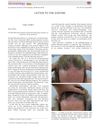
June 2018 in “Australasian Journal of Dermatology” Stopping sunscreen use on the forehead led to hair regrowth in a woman with frontal fibrosing alopecia.
 23 citations
,
April 2021 in “Journal of Clinical Medicine”
23 citations
,
April 2021 in “Journal of Clinical Medicine” Frontal Fibrosing Alopecia's cause is unclear, affects mainly postmenopausal women, and current treatments focus on stopping hair loss rather than regrowth.
 23 citations
,
October 2018 in “Australasian Journal of Dermatology”
23 citations
,
October 2018 in “Australasian Journal of Dermatology” The current understanding of frontal fibrosing alopecia involves immune, genetic, hormonal factors, and possibly environmental triggers, but more research is needed for effective treatments.
 20 citations
,
April 2021 in “Journal of Womens Health”
20 citations
,
April 2021 in “Journal of Womens Health” Testosterone can help premenopausal and postmenopausal women with low sexual desire, but its long-term safety is unclear and it's not widely approved for this use.
 18 citations
,
June 2017 in “Journal of The American Academy of Dermatology”
18 citations
,
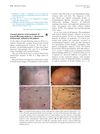
June 2017 in “Journal of The American Academy of Dermatology” Trichoscopy helps diagnose frontal fibrosing alopecia, even with unusual patterns.
18 citations
,
March 2014 in “Journal of Pharmacological and Toxicological Methods” The animal models successfully simulated dry eye related to sex steroid deficiency.
15 citations
,
May 2008 in “Actas Dermo-Sifiliográficas” Postmenopausal women with hair loss should get proper tests and consider treatments like minoxidil.
 14 citations
,
January 2015 in “Current problems in dermatology”
14 citations
,
January 2015 in “Current problems in dermatology” Female pattern hair loss treatments vary in effectiveness and may have side effects.
 14 citations
,
January 2006 in “Australasian journal of dermatology”
14 citations
,
January 2006 in “Australasian journal of dermatology” Alopecia areata can look like frontal fibrosing alopecia, making diagnosis hard.
12 citations
,
August 2011 Prompt treatment of tinea capitis with oral antifungals leads to excellent recovery, but delayed care can cause permanent hair loss.
11 citations
,
January 2021 in “Breast Care” Patients prioritize quality of life, overall survival, and progression-free survival in treatment decisions for advanced breast cancer.
 10 citations
,
May 2017 in “PLOS ONE”
10 citations
,
May 2017 in “PLOS ONE” Men and premenopausal women in Korea show different patterns in iron and vitamin D levels, with no clear pattern for postmenopausal women.
 10 citations
,
December 2010 in “British Journal of Dermatology”
10 citations
,
December 2010 in “British Journal of Dermatology” After menopause, some women lose scalp hair and gain facial hair, with patterns suggesting different underlying causes.
8 citations
,
July 2022 in “Clinical and Experimental Dermatology” Menopause can cause oral health issues like dry mouth and burning sensations.
8 citations
,
January 2002 in “Piel” Postmenopausal women may experience frontal hairline and eyebrow loss due to cicatricial fibrosis.
 7 citations
,
October 2015 in “Actas Dermo-Sifiliográficas”
7 citations
,
October 2015 in “Actas Dermo-Sifiliográficas” New treatments for Frontal Fibrosing Alopecia show promise, especially finasteride and dutasteride, with most patients seeing improvement or stabilization.
6 citations
,
July 2004 in “JDDG Journal der Deutschen Dermatologischen Gesellschaft” Frontal fibrosing alopecia in postmenopausal women can be managed with early treatment using corticosteroids to stop hair loss.