 18 citations
,
March 2016 in “Cosmetics”
18 citations
,
March 2016 in “Cosmetics” Telogen Effluvium is a condition causing excessive hair loss due to stress, illness, drugs, or hormonal changes, and can be treated with specific products or naturally resolves after 3-4 years.
 November 2024 in “Applied Sciences”
 Placenta products might help with hair loss, but more research is needed.
 January 2021 in “Dermatology Research and Practice”
 The study aims to understand the skin and hair characteristics of mothers and their babies, and how these may affect newborns' skin health and mothers' postpartum hair loss.
 3 citations
,
April 1978 in “PubMed”
3 citations
,
April 1978 in “PubMed” The study concludes that traction alopecia, caused by hair styling, can help understand telogen effluvium, a condition of excessive hair loss.
74 citations
,
February 2018 in “Stroke” Women have unique stroke risks due to hormones, contraceptives, pregnancy, and menopause.
October 2025 in “COGNITIONIS Scientific Journal” Postpartum hair loss is common, temporary, and linked to hormonal changes, stress, and nutrition.
22 citations
,
July 2006 in “Annals of The Royal College of Surgeons of England” Hair or fiber wrapped tightly around a toe can lead to serious injury if not treated quickly.
 3 citations
,
August 2015 in “Acta Scientiarum Biological Sciences”
3 citations
,
August 2015 in “Acta Scientiarum Biological Sciences” Neem extract is safe for pregnant or lactating rats at tested doses.
 December 2020 in “Current Sexual Health Reports”
 Finasteride can have lasting negative effects on brain function and behavior by disrupting neurosteroid production.
 20 citations
,
April 2012 in “Fertility and Sterility”
20 citations
,
April 2012 in “Fertility and Sterility” Finasteride causes lasting fertility decrease in rats.
 9 citations
,
December 1978 in “Australian Journal of Biological Sciences”
9 citations
,
December 1978 in “Australian Journal of Biological Sciences” Flumethasone causes wool shedding in Merino wethers, with recovery in about 60 days.
 2 citations
,
April 2016 in “Más dermatología”
2 citations
,
April 2016 in “Más dermatología” The supplement with Serenoa repens and Pygeum africanum significantly increased active hair growth and decreased rest phase hair in post-menopausal women with hair loss, with only mild digestive side effects.
Skin changes throughout life, from development before birth to aging effects like wrinkles, influenced by both genetics and environment.
 December 2004 in “Medicine”
 Pregnancy can cause skin changes and may affect pre-existing skin conditions, with some treatments not safe for use during pregnancy.
 64 citations
,
June 1992 in “International Journal of Dermatology”
64 citations
,
June 1992 in “International Journal of Dermatology” Pregnancy often causes skin changes like darkening, stretch marks, and hair growth, which may improve after childbirth.
 51 citations
,
February 2006 in “Clinics in Dermatology”
51 citations
,
February 2006 in “Clinics in Dermatology” Pregnant women often experience skin and hair changes, with over half getting stretch marks and pigment changes, and should be cautious with cosmetic procedures due to potential risks.
 January 2026 in “American Journal of Medical and Clinical Research & Reviews”
 Different wavelengths of LED light are needed to treat different types of hair loss effectively.
 June 2023 in “International journal of biology, pharmacy and allied sciences”
 New medications are improving depression treatment, emphasizing accurate diagnosis and chronic care.
Different drugs are used to manage breeding, prevent or end pregnancy, and treat reproductive issues in dogs and cats.
 February 2012 in “Clinical and Experimental Dermatology”
 Many adult women experience unexplained excessive hair shedding, often starting before age 40.
 February 2009 in “Springer eBooks”
 Pregnancy can cause more body and scalp hair growth and make nails brittle, but these changes often revert after giving birth.
 February 2009 in “Springer eBooks”
 Hyperpigmentation is common in pregnancy and may not fully fade after birth; melasma, also frequent, can persist but has limited treatment options during pregnancy.

Lack of certain cells causes abnormal nipple development and nursing failure.
 47 citations
,
May 2002 in “Journal of Cutaneous Medicine and Surgery”
47 citations
,
May 2002 in “Journal of Cutaneous Medicine and Surgery” Pregnancy can cause normal skin changes that usually go away after childbirth and don't need treatment.
 15 citations
,
December 2016 in “Obstetrics & Gynecology”
15 citations
,
December 2016 in “Obstetrics & Gynecology” Most skin changes during pregnancy are harmless and moles don't significantly change, but many women experience pigmentation changes due to hormones and sun exposure.
 7 citations
,
August 2016 in “Nursing for Women's Health”
7 citations
,
August 2016 in “Nursing for Women's Health” To prevent and treat Hair-thread tourniquet syndrome in infants, keep a close eye on their limbs, manage maternal hair loss, and educate parents and healthcare providers.
 September 2024 in “Frontiers in Veterinary Science”
 A simple enrichment program improves health and reproduction in Calomys callosus.
 May 2002 in “British Journal of Dermatology”
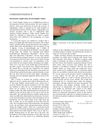
 A pregnant woman's skin condition improved after giving birth, possibly due to high estrogen levels during pregnancy.
 October 2022 in “Journal of advanced research in medicine”
 A woman with Sheehan syndrome improved with hormone treatment.
 November 2013 in “International Journal of Medical and Health Sciences”
 Doctors often miss Hair Tourniquet Syndrome, which can lead to serious damage if not treated quickly.