 March 2023 in “International Journal of Biomedicine”
 Hair loss from Telogen Effluvium can be managed by treating the underlying cause and may improve with treatments like minoxidil.
 75 citations
,
October 1996 in “Dermatologic Clinics”
75 citations
,
October 1996 in “Dermatologic Clinics” Chronic Telogen Effluvium is a hair loss condition in middle-aged women that usually doesn't lead to complete baldness.
 13 citations
,
May 1993 in “International Journal of Dermatology”
13 citations
,
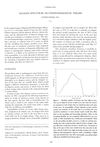
May 1993 in “International Journal of Dermatology” The paper suggests that telogen effluvium, a type of hair loss, may be a long-lasting condition triggered by stress or illness in people whose hair growth is unusually synchronized.
 1 citations
,
July 2021 in “Anais Brasileiros de Dermatologia”
1 citations
,
July 2021 in “Anais Brasileiros de Dermatologia” The conclusion is that three signs can help diagnose hair loss after it happens, potentially avoiding more invasive tests.
 69 citations
,
March 1993 in “Archives of Dermatology”
69 citations
,
March 1993 in “Archives of Dermatology” The document says there are five types of hair loss conditions and different causes, including drugs.
 November 2022 in “DOAJ (DOAJ: Directory of Open Access Journals)”
 COVID-19 may cause hair loss months after infection.
December 2015 in “European Journal of Pediatric Dermatology” Newborns can experience temporary hair loss in bands, unrelated to sleeping position.
 12 citations
,
January 1984 in “Anesthesia & Analgesia”
12 citations
,
January 1984 in “Anesthesia & Analgesia” Anesthesia and surgery can cause temporary hair loss, but hair usually grows back without treatment.
 May 2022 in “Authorea (Authorea)”
 A 17-year-old girl has had repeated hair loss since childhood, which can be triggered by infections like COVID-19.
 45 citations
,
October 2009 in “Dermatology”
45 citations
,
October 2009 in “Dermatology” Half of the patients treated with a specific drug for skin cancer experienced hair loss not related to the drug's dosage.
 1 citations
,
January 2020 in “Indian Dermatology Online Journal”
1 citations
,
January 2020 in “Indian Dermatology Online Journal” Pigtail hair is a sign of new hair growth and should be recognized in hair loss conditions like acute telogen effluvium.
A woman had temporary hair loss due to stress from a spinal cord injury.
 October 2011 in “American Academy of Pediatrics eBooks”
 The document did not provide specific information on Telogen Effluvium.
 1 citations
,
January 2013 in “Journal of Cosmetics, Dermatological Sciences and Applications”
1 citations
,
January 2013 in “Journal of Cosmetics, Dermatological Sciences and Applications” The document concludes that a new treatment for a type of hair loss called telogen effluvium was tested and shows promise.
 November 2022 in “Medicina”
 COVID-19 may cause temporary hair loss due to the body's immune response.
 1 citations
,
December 2022 in “PubMed”
1 citations
,
December 2022 in “PubMed” COVID-19 may cause temporary hair loss, which usually gets better on its own, but reducing stress and managing health issues might help recovery.
 April 2023 in “Clinical dermatology review”
 COVID-19 infection may cause hair loss.
15 citations
,
December 2000 in “Der Hautarzt” Idiopathic chronic telogen effluvium in women causes sudden hair loss without a known cause, often linked to emotional distress.
 August 2019 in “DOAJ (DOAJ: Directory of Open Access Journals)”
 Telogen effluvium is a common, distressing condition causing excessive hair shedding and has significant psychological effects on patients.
 234 citations
,
December 1996 in “Journal of The American Academy of Dermatology”
234 citations
,
December 1996 in “Journal of The American Academy of Dermatology” Middle-aged women with chronic telogen effluvium experience increased hair shedding but usually don't get significantly thinner hair.

Many severe COVID-19 patients experienced temporary hair loss, but most regrew hair within six months.
 May 2022 in “Acta Scientific Women's Health”
 A woman lost over 80% of her hair due to a condition called telogen effluvium after having COVID-19.
 October 2022 in “Pediatric Dermatology”
 Most children with rapid hair loss had a known cause, with stress and illness being top triggers, and treatments showed similar improvement.
 January 2022 in “Journal of Drug Delivery and Therapeutics”
 COVID-19 can cause temporary hair loss, known as Telogen Effluvium, within two months of infection.
 7 citations
,
January 2015 in “Journal of the European Academy of Dermatology and Venereology”
7 citations
,
January 2015 in “Journal of the European Academy of Dermatology and Venereology” Only about 20% of women have hair loss after childbirth severe enough to be considered clinically significant.

Postpartum hair loss can reveal hidden hair loss conditions.
 March 2014 in “Journal of The American Academy of Dermatology”
 Vitamin D deficiency is common in temporary hair loss, and stress is often a suspected cause.
 June 2024 in “Al- Anbar Medical Journal”
 Acute telogen effluvium can be resolved by addressing causes, but chronic telogen effluvium is harder to treat.
 21 citations
,
January 2016 in “Skin appendage disorders”
21 citations
,
January 2016 in “Skin appendage disorders” Alfredo Rebora suggested a new, easier way to classify hair loss in Telogen Effluvium, adding a type possibly related to autoimmune diseases.
 January 2023 in “International journal of sciences”
 Platelet-Rich Plasma therapy helped significantly in hair recovery for a hair loss condition after infection.