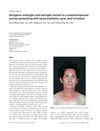
 August 2009 in “International Journal of Dermatology”
 A postmenopausal woman's facial redness, acne, and excess hair were caused by too much hormone therapy for insomnia, but improved after stopping the treatment.
 January 2019 in “Springer eBooks”
 Acne can appear or persist in adulthood due to hormonal changes, external factors, or substance use, and requires appropriate treatment.
 46 citations
,
May 2009 in “Maturitas”
46 citations
,
May 2009 in “Maturitas” Taking DHEA for a year is generally safe for postmenopausal women but may cause acne and more facial hair without improving metabolism or aging.
July 2023 in “Journal of the ASEAN Federation of Endocrine Societies” GnRH agonist effectively diagnoses and treats postmenopausal hyperandrogenism from ovarian sources.
 November 2022 in “Journal of the Endocrine Society”
 Taking biotin can lead to incorrect low results in free testosterone tests.
 May 2021 in “Journal of the Endocrine Society”
 A woman's severe hormone imbalance after menopause led to finding a rare ovarian tumor, treated by surgery.
 81 citations
,
May 2007 in “Fertility and Sterility”
81 citations
,
May 2007 in “Fertility and Sterility” Testosterone therapy seems safe for postmenopausal women for a few years, but more research is needed for long-term effects.
 46 citations
,
January 2008 in “Climacteric”
46 citations
,
January 2008 in “Climacteric” Testosterone therapy can help improve sexual desire and function in postmenopausal women but may cause side effects and is not FDA-approved for this use.
 22 citations
,
January 2015 in “The Cochrane library”
22 citations
,
January 2015 in “The Cochrane library” DHEA may help with sexual function when used intravaginally by menopausal women but is similar to hormone therapy in other aspects and might cause more side effects like acne and hair loss.
 December 2013 in “Macedonian Journal of Medical Sciences”
 Ovarian steroid cell tumors should be considered in adults with hirsutism and high testosterone, with surgery as the main treatment.
 3 citations
,
October 2022 in “International Journal of Impotence Research”
3 citations
,
October 2022 in “International Journal of Impotence Research” Testosterone Replacement Therapy can improve sexual health in postmenopausal women with low sexual desire, but more research is needed on its long-term effects.
 December 2013 in “Open Access Macedonian Journal of Medical Sciences”
 A woman's excessive hair growth and high testosterone were caused by a rare ovarian tumor, which was successfully treated with surgery.
 48 citations
,
July 2009 in “The Journal of Sexual Medicine”
48 citations
,
July 2009 in “The Journal of Sexual Medicine” DHEA did not improve sexual function, well-being, or menopausal symptoms in postmenopausal women with low libido but caused side effects like acne and increased facial hair.
 September 2023 in “Gynäkologische Endokrinologie”
 Menopause causes skin and hair to become drier and thinner, but hormone therapy can improve these conditions.
 82 citations
,
January 2000 in “Hormone Research in Paediatrics”
82 citations
,
January 2000 in “Hormone Research in Paediatrics” DHEA stimulates skin oil glands and could help postmenopausal women, with potential for acne and excessive hair growth treatments.
2 citations
,
September 2025 in “Cosmetics” Hormonal therapies can improve skin issues by adjusting hormone levels, with future advancements promising better results.
 October 2007 in “Postgraduate obstetrics & gynecology”
 Testosterone therapy can help with androgen deficiency in women but should be used with caution and monitoring due to potential risks.
15 citations
,
May 2021 in “Climacteric” Postmenopausal hyperandrogenism involves excess male hormones causing symptoms like hair growth and acne, and requires ruling out tumors and other disorders.
 November 2022 in “The Journal of Clinical Endocrinology and Metabolism”
 Postmenopausal hyperandrogenism, a condition with symptoms like increased hair growth and acne, is usually caused by PCOS but can also be due to other factors. It's diagnosed by checking testosterone levels and treated either by removing the adrenal tumor or through antiandrogen therapy.
 October 2007 in “Postgraduate obstetrics & gynecology”
 Testosterone therapy can help postmenopausal women with low sexual desire but needs more safety research and should be used with estrogen therapy.
 11 citations
,
September 2012 in “Journal of obstetrics and gynaecology Canada”
11 citations
,
September 2012 in “Journal of obstetrics and gynaecology Canada” Testosterone therapy seems safe for short-term use in postmenopausal women with low sexual desire, but more research on long-term effects is needed.
July 2025 in “AACE Endocrinology and Diabetes” Ovarian hyperthecosis caused high testosterone and virilization symptoms in a 60-year-old woman, which improved after surgery.
 April 2024 in “International journal of women's health”
 Adult female acne is a complex condition that can worsen with menopause, requiring holistic treatment and tailored skincare at different life stages.
 April 2020 in “Journal of the Endocrine Society”
 An ovarian tumor caused a woman's male-like symptoms, which improved after surgery.
 April 2020 in “Journal of the Endocrine Society”
 A woman's high testosterone and related symptoms were caused by overactive cells in her ovaries.
 April 2019 in “Journal of the Endocrine Society”
 The study found that imaging might miss small ovarian tumors causing high testosterone, and suggested using certain testosterone levels and treatment responses to identify these tumors.
 April 2020 in “Journal of the Endocrine Society”
 A woman's severe hirsutism was caused by Leydig cell tumors in her ovaries, which improved after surgery.
 10 citations
,
January 2019 in “Archives of Endocrinology and Metabolism”
10 citations
,
January 2019 in “Archives of Endocrinology and Metabolism” Testosterone therapy may slightly increase sexual desire in women with HSDD but lacks broad recommendation due to safety concerns and limited approval.
 5 citations
,
June 2004 in “The Journal of The British Menopause Society”
5 citations
,
June 2004 in “The Journal of The British Menopause Society” Testosterone therapy can improve sexual satisfaction and mood in surgically menopausal women when used with estrogen, but its long-term safety and effects on naturally menopausal and premenopausal women are unclear.
 20 citations
,
April 2006 in “Dermatologic Clinics”
20 citations
,
April 2006 in “Dermatologic Clinics” Antiandrogen therapies are beneficial for treating skin and hair conditions related to androgen levels.