 January 2008 in “Springer eBooks”
 Thyroid disease can cause hair loss and treating thyroid problems might help with hair disorders.
 June 2003 in “Obstetrical & Gynecological Survey”
 Postmenopausal ovary stromal cells have a unique makeup and limited steroid production, suggesting androgens come from the adrenal gland.
 June 1995 in “International Journal of Gynecology & Obstetrics”
 Women with hair loss have higher androgen levels, while men with early balding have altered androgen ratios.
 July 2021 in “Archives of Dermatological Research”
 Alopecia patients have less GPER-1, which might affect hair loss.
 June 2020 in “Aesthetic Surgery Journal”
 Estradiol-rich plasma can increase hair density faster and more effectively in male pattern baldness treatment than regular plasma.

Women with androgenetic alopecia (hair loss) have normal prostate specific antigen levels but higher testosterone levels.
 June 2018 in “Advances in Cosmetic Surgery”
 Hair loss caused by genetics and hormones; more research needed for treatments.
 April 2018 in “Journal of Investigative Dermatology”
 Platelet Rich Plasma can potentially help in restoring hair loss, but more research with larger groups is needed to confirm its effectiveness and standardize its use.
 September 2017 in “Journal of Investigative Dermatology”
 Finasteride helps female-pattern hair loss.

Topical minoxidil helps treat hair loss in teens, but more research needed for safe options.
 November 2015 in “Springer eBooks”
 Hair loss treated with minoxidil, finasteride, laser/light, hair transplant, and scalp prostheses; more research needed for skin of color.
 January 2007 in “Revista del Centro Dermatológico Pascua”
 Hair loss in women, often not related to male hormones, increases with age and can cause significant emotional distress.
 January 2000 in “Annals of Dermatology”
 Finasteride effectively treats hair loss in men with minimal side effects.
 November 1999 in “Journal of Cutaneous Medicine and Surgery”
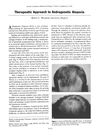
 Treatments for hair loss include hormone modifiers, minoxidil, and hair transplant surgery.
 44 citations
,
November 2011 in “The Journal of Dermatology”
44 citations
,
November 2011 in “The Journal of Dermatology” New understanding of the causes of primary cicatricial alopecia has led to better diagnosis and potential new treatments.
 August 2016 in “Journal of the Portuguese Society of Dermatology and Venereology”
 Two women with darker skin had both frontal hair thinning and skin discoloration.
 135 citations
,
August 1994 in “Clinical Endocrinology”
135 citations
,
August 1994 in “Clinical Endocrinology” Most women with hirsutism or androgenic alopecia had polycystic ovaries, especially if they had irregular periods.
 88 citations
,
January 2013 in “Indian Journal of Dermatology, Venereology and Leprology”
88 citations
,
January 2013 in “Indian Journal of Dermatology, Venereology and Leprology” Minoxidil and finasteride effectively treat hair loss.
 88 citations
,
October 2002 in “Journal of Dermatology”
88 citations
,
October 2002 in “Journal of Dermatology” Finasteride for hair loss may cause depression, affecting sleep and relationships.
 84 citations
,
November 2003 in “European journal of endocrinology”
84 citations
,
November 2003 in “European journal of endocrinology” Women with androgenic alopecia are more likely to have polycystic ovaries and higher androgen levels, which may indicate PCOS.
 77 citations
,
March 2001 in “Clinics in Dermatology”
77 citations
,
March 2001 in “Clinics in Dermatology” Androgenetic alopecia involves genetics, hormones, and can be treated with medications or surgery.
 44 citations
,
April 2012 in “American Journal of Clinical Dermatology”
44 citations
,
April 2012 in “American Journal of Clinical Dermatology” Scarring alopecias are complex hair loss disorders that require early treatment to prevent permanent hair loss.
 40 citations
,
May 1999 in “Journal of The European Academy of Dermatology and Venereology”
40 citations
,
May 1999 in “Journal of The European Academy of Dermatology and Venereology” Treat hair loss with finasteride, minoxidil, or surgery; consider side effects and severity.
 29 citations
,
November 2012 in “Journal of The European Academy of Dermatology and Venereology”
29 citations
,
November 2012 in “Journal of The European Academy of Dermatology and Venereology” Use 5% minoxidil or oral finasteride for mild-to-moderate hair loss, combine with hair transplant for severe cases.
 7 citations
,
November 2020 in “Journal of The American Academy of Dermatology”
7 citations
,
November 2020 in “Journal of The American Academy of Dermatology” Low-dose oral minoxidil may cause side effects like hypertrichosis and is not suitable for everyone.
 2 citations
,
October 1998 in “Family Practice”
2 citations
,
October 1998 in “Family Practice” New oral treatment, finasteride, effectively and safely treats common hair loss.
 1 citations
,
April 2009 in “Cochrane Database of Systematic Reviews”
1 citations
,
April 2009 in “Cochrane Database of Systematic Reviews” Review finds no permanent solution for female hair loss.
 1 citations
,
January 2009 in “Cochrane Database of Systematic Reviews”
1 citations
,
January 2009 in “Cochrane Database of Systematic Reviews” Review determines effective, safe treatments for female hair loss.
 1 citations
,
May 1999 in “Journal of The European Academy of Dermatology and Venereology”
1 citations
,
May 1999 in “Journal of The European Academy of Dermatology and Venereology” Treat hair loss with medicine, continue indefinitely.
 February 2026 in “Frontiers in Medicine”
 Fibrosing alopecia starts earlier in Latin American men and often looks like common male pattern baldness.