 June 2022 in “Revista del Hospital Italiano de Buenos Aires”
 A rare case of a man having both frontal fibrosing alopecia and vitiligo was reported.
 December 2020 in “Skin appendage disorders”
 A young man with an unusual type of scarring hair loss suggests a possible new variant of a known scalp condition.
 May 2018 in “Más dermatología”
 The higher dose supplement was more effective in treating female hair loss.
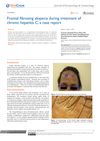 September 2017 in “Journal of Dermatology & Cosmetology”
 Hepatitis C treatment may cause frontal fibrosing alopecia.
 January 2003 in “Humana Press eBooks”
 Dihydrotestosterone and 5α-Reductase play a role in hair loss and prostate health, and finasteride can increase hair growth in men without affecting sperm production, but it doesn't work for postmenopausal women with hair loss.
 June 1995 in “International Journal of Gynecology & Obstetrics”
 Higher doses of oestradiol implants improve bone density in postmenopausal women.
Doctors recommend postoperative radiation for male breast cancer, advise against testosterone for vasomotor symptoms post-adrenalectomy, suggest non-hormonal treatments for atrophic vaginitis after mastectomy, note no specific treatment for anticoagulant-induced hair loss, and call for more research on silicosis from silicon carbide exposure.
 September 2013 in “Hair transplant forum international”
 The document says doctors should identify and treat Frontal fibrosing alopecia medically before considering surgery, as treatments often don't work well.
1 citations
,
January 2024 in “Journal of personalized medicine” Hormonal imbalances during menopause may significantly contribute to Frontal Fibrosing Alopecia.
 33 citations
,
January 2015 in “Journal of Cosmetic Dermatology”
33 citations
,
January 2015 in “Journal of Cosmetic Dermatology” Familial frontal fibrosing alopecia affects premenopausal women too, and early diagnosis is important, but no proven medication exists yet.
 27 citations
,
January 2015 in “Current problems in dermatology”
27 citations
,
January 2015 in “Current problems in dermatology” The document concludes that primary scarring alopecias cause permanent hair loss, have unpredictable outcomes, and lack definitive treatments, requiring personalized care.
 20 citations
,
January 2016 in “Intractable & Rare Diseases Research”
20 citations
,
January 2016 in “Intractable & Rare Diseases Research” Combination therapy, especially with finasteride, is effective for treating frontal fibrosing alopecia.
 17 citations
,
October 2017 in “Journal of Cutaneous Medicine and Surgery”
17 citations
,
October 2017 in “Journal of Cutaneous Medicine and Surgery” No treatment has been proven to effectively stop hair loss or regrow hair in Frontal Fibrosing Alopecia, and more research is needed.
2 citations
,
June 2021 in “Sultan Qaboos University medical journal” Familial frontal fibrosing alopecia is rare, mostly affects women, and often occurs between sisters or mother-daughter pairs.
2 citations
,
January 2019 in “Skin appendage disorders” Early diagnosis and quick treatment improve life quality for FFA patients.
 1 citations
,
May 2024 in “Dermatology and Therapy”
1 citations
,
May 2024 in “Dermatology and Therapy” Frontal Fibrosing Alopecia needs better diagnostics and treatments, with dutasteride showing promise.
January 2016 in “Indian dermatology online journal” The patient has frontal fibrosing alopecia (FFA).
 May 2003 in “Facial Plastic Surgery Clinics of North America”
 Hair loss can be treated with medications like minoxidil and finasteride or surgery, but treatment effectiveness varies by alopecia type and accurate diagnosis is important.
 130 citations
,
May 1988 in “Journal of The American Academy of Dermatology”
130 citations
,
May 1988 in “Journal of The American Academy of Dermatology” "Male-pattern" hair loss is common in women, especially after menopause, and doesn't always mean there's a problem with hormone balance.
 46 citations
,
May 2009 in “Maturitas”
46 citations
,
May 2009 in “Maturitas” Taking DHEA for a year is generally safe for postmenopausal women but may cause acne and more facial hair without improving metabolism or aging.
 28 citations
,
January 2015 in “Journal der Deutschen Dermatologischen Gesellschaft”
28 citations
,
January 2015 in “Journal der Deutschen Dermatologischen Gesellschaft” Women with scarring alopecia have a lower quality of life and more anxiety and depression than those with non-scarring alopecia.
 14 citations
,
January 2008 in “Dermatology Online Journal”
14 citations
,
January 2008 in “Dermatology Online Journal” Hormonal therapies like cyproterone acetate and spironolactone may help some women with hair loss, but finasteride 1mg is not useful, and the effectiveness of other treatments is still unclear.
 10 citations
,
April 2018 in “Actas Dermo-Sifiliográficas”
10 citations
,
April 2018 in “Actas Dermo-Sifiliográficas” In 2017, Spanish dermatologists most often prescribed minoxidil and finasteride for male hair loss, and minoxidil and oral contraceptives for premenopausal female hair loss.
 9 citations
,
January 2020 in “Postepy Dermatologii I Alergologii”
9 citations
,
January 2020 in “Postepy Dermatologii I Alergologii” Frontal fibrosing alopecia is a poorly understood condition with increasing cases and unclear treatment effectiveness.
 3 citations
,
January 2020 in “Skin appendage disorders”
3 citations
,
January 2020 in “Skin appendage disorders” In Spain, dermatologists most commonly prescribe topical minoxidil and oral finasteride for male hair loss, and topical minoxidil and oral contraceptives for female hair loss. The use of oral dutasteride and oral minoxidil has significantly increased over the past three years.
 June 2026 in “Zenodo (CERN European Organization for Nuclear Research)”
 Finasteride and dutasteride effectively treat hair loss, with dutasteride showing slightly better results.
 June 2026 in “Zenodo (CERN European Organization for Nuclear Research)”
 Finasteride and dutasteride effectively treat hair loss, with dutasteride showing slightly better results.
March 2026 in “Actas Dermo-Sifiliográficas” Dermatologists in Spain now mostly prescribe oral minoxidil and dutasteride for hair loss.
 February 2026 in “American Journal of Clinical Dermatology”
 Spironolactone is effective for treating female hair loss, with new treatments like clascoterone showing promise.
 January 2026 in “Frontiers in Nutrition”
 Certain dietary supplements can improve hair density and are well-tolerated for treating androgenetic alopecia.