
Most postmenopausal women experience significant skin changes and various skin conditions.
 June 2020 in “International Journal of Research in Dermatology”
 Early postmenopausal women often experience skin issues like vaginal dryness, swallowing difficulties, hair loss, and uncommonly, keratoderma and hirsutism, but many are unaware these are related to menopause.
 December 2025 in “Pakistan Journal of Health Sciences”
 Estrogen deficiency in postmenopausal women can cause skin and hair issues, but local estrogen therapies help improve vaginal health.
8 citations
,
July 2022 in “Clinical and Experimental Dermatology” Menopause can cause oral health issues like dry mouth and burning sensations.
 1 citations
,
December 2025 in “American Journal of Clinical Dermatology”
1 citations
,
December 2025 in “American Journal of Clinical Dermatology” Menopause influences skin conditions, and hormone therapy should be considered in treatment.
 64 citations
,
June 2009 in “Journal of The American Academy of Dermatology”
64 citations
,
June 2009 in “Journal of The American Academy of Dermatology” Oral dutasteride can potentially treat frontal fibrosing alopecia in postmenopausal women, with some patients showing disease arrest and hair regrowth.
 10 citations
,
January 2014 in “Journal of Mid-life Health”
10 citations
,
January 2014 in “Journal of Mid-life Health” Menopause can cause skin issues, and seeing a dermatologist helps.
 October 2023 in “The Egyptian Journal of Hospital Medicine ”
 PSA might help diagnose PCOS and related skin issues, but more research is needed.
 32 citations
,
August 2015 in “Anais Brasileiros de Dermatologia”
32 citations
,
August 2015 in “Anais Brasileiros de Dermatologia” Black women's unique hair characteristics and styling practices can lead to specific scalp conditions, which require early diagnosis and appropriate treatment.
5 citations
,
January 2017 in “Dermato-endocrinology” Postmenopausal women with past hirsutism or irregular periods have more heart and lung diseases.
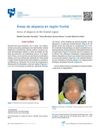 January 2025 in “Revista del Centro Dermatológico Pascua”
 Early diagnosis and treatment can help manage fibrosing alopecia in older women.
 68 citations
,
May 2016 in “Experimental dermatology”
68 citations
,
May 2016 in “Experimental dermatology” FFA's causes may include environmental triggers and genetic factors.
 5 citations
,
April 2019 in “Journal of The American Academy of Dermatology”
5 citations
,
April 2019 in “Journal of The American Academy of Dermatology” Frontal Fibrosing Alopecia may be a complex condition linked to hormonal changes in women, not just a form of Lichen Planopilaris.
2 citations
,
January 2010 in “PubMed” Current treatments for postmenopausal frontal fibrosing alopecia stop hair loss but don't regrow hair.
 30 citations
,
March 2010 in “European Journal of Dermatology”
30 citations
,
March 2010 in “European Journal of Dermatology” Hair loss in elderly women is often caused by various factors, including hormonal changes after menopause.

Menopause-related skin changes may increase fungal infections and inflammation.
 138 citations
,
May 2000 in “Maturitas”
138 citations
,
May 2000 in “Maturitas” Estrogen replacement can improve skin health in menopausal women but doesn't reverse sun damage or prevent hair loss.
 128 citations
,
September 2011 in “British Journal of Dermatology”
128 citations
,
September 2011 in “British Journal of Dermatology” Obesity is linked to various skin problems and may increase the risk of skin cancer.
 120 citations
,
October 2007 in “Clinical Interventions in Aging”
120 citations
,
October 2007 in “Clinical Interventions in Aging” Estrogens help reduce skin aging, and SERMs might offer similar benefits without the risks of hormone therapy.
 51 citations
,
October 2002 in “British Journal of Dermatology”
51 citations
,
October 2002 in “British Journal of Dermatology” Finasteride increases hair density in female androgenetic alopecia, but individual results may vary.
 1 citations
,
February 1954 in “Journal of the American Geriatrics Society”
1 citations
,
February 1954 in “Journal of the American Geriatrics Society” Steroid hormones can help treat aging issues and improve health in elderly people.
A rare case of a woman having both lichen planus pigmentosus and classic lichen planopilaris at the same time.
 July 2020 in “International Journal of Dermatology Venereology and Leprosy Sciences”
 Most postmenopausal women experience skin and hair issues, so regular check-ups are important.
 June 2006 in “British Journal of Dermatology”
 Lower adrenal hormone levels may cause hair loss in postmenopausal women, certain patterns help diagnose nail cancer, and a gene variant linked to higher skin cancer risk in kidney transplant patients suggests monitoring folate levels.
 17 citations
,
April 2006 in “Dermatologic Clinics”
17 citations
,
April 2006 in “Dermatologic Clinics” Older women face various skin issues like dryness and thinning, and treatments are available but can have side effects; proper skin care and legal health decisions are important.
 1 citations
,
October 2008 in “Expert Review of Dermatology”
1 citations
,
October 2008 in “Expert Review of Dermatology” Frontal Fibrosing Alopecia is a slowly progressing hair loss condition, likely underdiagnosed, with ineffective treatments, needing more research to understand it fully.
 1 citations
,
July 2018 in “Elsevier eBooks”
1 citations
,
July 2018 in “Elsevier eBooks” Triple horizontal scalp biopsies are 98% accurate in diagnosing hair loss, better than single biopsies.
 June 2008 in “British Journal of Dermatology”
 UK medical students lack dermatology education, liver biopsy patients with risk factors show more fibrosis, and certain fungi resist drugs due to melanin; genetics may influence female hair loss.
 December 2020 in “Èffektivnaâ farmakoterapiâ”
 Selenzin Peptide Active can effectively treat hair loss in postmenopausal women.
 January 2019 in “Springer eBooks”
 Acne can appear or persist in adulthood due to hormonal changes, external factors, or substance use, and requires appropriate treatment.