 August 2019 in “Journal of The American Academy of Dermatology”
 5% minoxidil foam effectively regrows hair in women, with postmenopausal women seeing the most improvement.
November 2021 in “CRC Press eBooks” Female androgenic alopecia causes hair thinning in women, especially after menopause, and affects their mental well-being.
 1 citations
,
June 1987 in “British Journal of Dermatology”
1 citations
,
June 1987 in “British Journal of Dermatology” Patterned hair loss is relatively common in women and not usually a sign of serious health issues.
 17 citations
,
February 2003 in “Australasian Journal of Dermatology”
17 citations
,
February 2003 in “Australasian Journal of Dermatology” Hair loss in postmenopausal woman caused by ovarian issue.
 January 2019 in “Skin appendage disorders”
 A woman's hair loss was linked to a rare hormone-secreting ovarian tumor, treated with surgery and hair loss medication.
 1 citations
,
May 2025 in “Maturitas”
1 citations
,
May 2025 in “Maturitas” Menopause can cause hair loss in women due to hormonal changes, affecting their well-being and quality of life.
 May 2022 in “Journal of the Egyptian Women's Dermatologic Society (Print)”
 Women's hair loss can be due to hormonal changes and various conditions, with treatments focusing on stopping progression and managing symptoms.

Effective treatment for midlife women's hair loss is limited, with 5% minoxidil foam being the only proven option for the most common type.
15 citations
,
May 2008 in “Actas Dermo-Sifiliográficas” Postmenopausal women with hair loss should get proper tests and consider treatments like minoxidil.
 26 citations
,
June 2018 in “Australasian Journal of Dermatology”
26 citations
,
June 2018 in “Australasian Journal of Dermatology” Stopping sunscreen use on the forehead led to hair regrowth in a woman with frontal fibrosing alopecia.
 1 citations
,
June 2011 in “Journal of The American Academy of Dermatology”
1 citations
,
June 2011 in “Journal of The American Academy of Dermatology” Iron deficiency is common in women regardless of hair loss, and treating it does not usually reverse hair loss.
 June 2008 in “British Journal of Dermatology”
 UK medical students lack dermatology education, liver biopsy patients with risk factors show more fibrosis, and certain fungi resist drugs due to melanin; genetics may influence female hair loss.
 September 2018 in “Dermatologic Therapy”
 Finasteride at 2.5mg/day may help postmenopausal women with hair loss.
 December 2013 in “대한피부과학회지”
 Korean women with female pattern hair loss have higher levels of ferritin, testosterone, and vitamin D than average.
 September 2023 in “Gynäkologische Endokrinologie”
 Menopause causes skin and hair to become drier and thinner, but hormone therapy can improve these conditions.
Finasteride may help treat hair loss in postmenopausal women.
 23 citations
,
October 2018 in “Australasian Journal of Dermatology”
23 citations
,
October 2018 in “Australasian Journal of Dermatology” The current understanding of frontal fibrosing alopecia involves immune, genetic, hormonal factors, and possibly environmental triggers, but more research is needed for effective treatments.
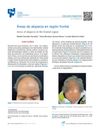 January 2025 in “Revista del Centro Dermatológico Pascua”
 Early diagnosis and treatment can help manage fibrosing alopecia in older women.
 January 2008 in “Dermatology Online Journal”
 Hormonal therapy like cyproterone acetate and spironolactone may help female hair loss, but more research is needed, especially for pre-menopausal women.
 January 2020 in “Journal of South Asian Federation of Obstetrics and Gynaecology”
 Removing the ovaries can help treat hair loss caused by high androgen levels in postmenopausal women.
 October 2024 in “Journal of the Endocrine Society”
 Leydig cell tumors can cause high testosterone and symptoms like hair loss in postmenopausal women, but surgery can improve these symptoms.
 October 2024 in “Journal of the Endocrine Society”
 The case highlights the complexity of diagnosing high testosterone in older women and the need for thorough testing.
 38 citations
,
December 2011 in “British Journal of Dermatology”
38 citations
,
December 2011 in “British Journal of Dermatology” Menopause-related hormonal changes affect hair but are not the only cause of hair changes in middle-aged women.
January 2020 in “International Journal of Trichology” Androgen-producing ovarian tumors can cause male-pattern hair loss in women.
 October 2024 in “Journal of the Endocrine Society”
 Leydig cell tumors can cause high testosterone and symptoms in postmenopausal women, and removing them improves symptoms.
 January 2011 in “Journal für Kardiologie (Krause & Pachernegg GmbH)”
 Postmenopausal women often experience hair loss on the scalp and increased facial hair, but iron supplements may not help.
 May 2021 in “Journal of the Endocrine Society”
 A woman's severe hormone imbalance after menopause led to finding a rare ovarian tumor, treated by surgery.
 June 2006 in “British Journal of Dermatology”
 Lower adrenal hormone levels may cause hair loss in postmenopausal women, certain patterns help diagnose nail cancer, and a gene variant linked to higher skin cancer risk in kidney transplant patients suggests monitoring folate levels.
 165 citations
,
December 2002 in “Molecular and Cellular Endocrinology”
165 citations
,
December 2002 in “Molecular and Cellular Endocrinology” Male hormones, particularly DHT, are linked to male pattern hair loss, and treatments like finasteride can help, but they don't work for postmenopausal women's hair loss, which may have different causes.
 33 citations
,
January 2016 in “Indian Journal of Dermatology, Venereology and Leprology”
33 citations
,
January 2016 in “Indian Journal of Dermatology, Venereology and Leprology” Taking 1 mg of finasteride daily can increase hair count and improve hair appearance, but it may have side effects on sexual function and a potential risk of prostate cancer. It may not be effective for postmenopausal women unless taken in higher doses.