 138 citations
,
May 2000 in “Maturitas”
138 citations
,
May 2000 in “Maturitas” Estrogen replacement can improve skin health in menopausal women but doesn't reverse sun damage or prevent hair loss.
 August 2019 in “Journal of The American Academy of Dermatology”
 5% minoxidil foam effectively regrows hair in women, with postmenopausal women seeing the most improvement.
1 citations
,
December 1968 in “Archives of Dermatology” Low iron levels are not linked to hair loss in women with androgenetic alopecia.
November 2024 in “International Journal of Women’s Dermatology” Frontal fibrosing alopecia in Bogotá mainly affects postmenopausal women, with possible links to hormonal changes and sunscreen use.
3 citations
,
December 1968 in “PubMed” Androgenetic alopecia is not caused by low iron levels.
 3 citations
,
January 2007 in “Elsevier eBooks”
3 citations
,
January 2007 in “Elsevier eBooks” The document concludes that individualized treatment and lifestyle changes are important for managing menopause symptoms and health risks.
 May 2022 in “Journal of the Egyptian Women's Dermatologic Society (Print)”
 Women's hair loss can be due to hormonal changes and various conditions, with treatments focusing on stopping progression and managing symptoms.
 January 2011 in “Journal für Kardiologie (Krause & Pachernegg GmbH)”
 Postmenopausal women often experience hair loss on the scalp and increased facial hair, but iron supplements may not help.
 September 2014 in “Springer eBooks”
 Men and women experience skin aging differently due to changes in sex hormone levels with age.
July 2013 in “Indian Journal of Dentistry” A 46-year-old man showed symptoms of a rare condition usually seen in postmenopausal women, highlighting the need for dentist-dermatologist collaboration.
 49 citations
,
January 2003 in “Clinical and Experimental Dermatology”
49 citations
,
January 2003 in “Clinical and Experimental Dermatology” The document concludes that post-menopausal frontal fibrosing alopecia is a poorly understood condition that does not respond well to common treatments.
14 citations
,
February 2013 in “PubMed” Patients treated with long-term intralesional corticosteroids for alopecia areata should be monitored for bone density changes and advised on osteoporosis prevention.
 February 2024 in “Endocrinology and Disorders”
 Balanced hormones are crucial for women's health, and can be managed with lifestyle changes or hormone therapy if needed.
 1 citations
,
August 2018 in “Journal of The American Academy of Dermatology”
1 citations
,
August 2018 in “Journal of The American Academy of Dermatology” Combination of minoxidil and finasteride is more effective in increasing hair diameter than minoxidil alone for female-pattern hair loss.
January 2017 in “University journal of surgery and surgical specialities” Steroid cell tumors in ovaries are rare, can cause hormone changes, and may be cancerous.
 1 citations
,
January 2017 in “Current Dermatology Reports”
1 citations
,
January 2017 in “Current Dermatology Reports” Early baldness in men may indicate risks for obesity, metabolic syndrome, insulin resistance, and heart disease, similar to women with PCOS. Alopecia areata is often linked with autoimmune diseases and mental health issues. Certain hair disorders are due to genetic issues, and chemotherapy can cause hair loss through specific biological pathways. Iron deficiency's link to hair loss is still disputed.
 90 citations
,
December 2007 in “Current Oncology”
90 citations
,
December 2007 in “Current Oncology” Non-hormonal treatments should be used first for sexual dysfunction in postmenopausal breast cancer patients on aromatase inhibitors, with hormones as a second option.
May 2026 in “Meditsinskiy sovet = Medical Council” Menopausal hormone therapy can improve skin and hair health in menopausal women.
 January 2017 in “Springer eBooks”
 Eating a balanced diet with specific nutrients can help manage menopause symptoms and prevent related health issues.
 January 2008 in “Journal für Kardiologie (Krause & Pachernegg GmbH)”
 Healthy aging can be promoted through physical activity, lifestyle changes, and certain treatments.
 May 2003 in “Facial Plastic Surgery Clinics of North America”
 Hair loss can be treated with medications like minoxidil and finasteride or surgery, but treatment effectiveness varies by alopecia type and accurate diagnosis is important.
 155 citations
,
September 2008 in “British journal of dermatology/British journal of dermatology, Supplement”
155 citations
,
September 2008 in “British journal of dermatology/British journal of dermatology, Supplement” FFA is more common in postmenopausal women, can affect younger women, and may stabilize over time.
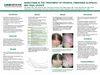 November 2025 in “SKIN The Journal of Cutaneous Medicine”
 Baricitinib shows promise in improving frontal fibrosing alopecia symptoms.
 6 citations
,
April 2017 in “Journal of Dermatological Science”
6 citations
,
April 2017 in “Journal of Dermatological Science” Ovariectomized mice mimic postmenopausal hair loss, and estradiol helps maintain hair density.
 72 citations
,
January 2004 in “Dermatology”
72 citations
,
January 2004 in “Dermatology” Finasteride can slow hair loss and promote growth in postmenopausal women.
 14 citations
,
December 2020 in “Journal of Investigative Dermatology”
14 citations
,
December 2020 in “Journal of Investigative Dermatology” Aging causes changes in the scalp that can affect hair growth and lead to older-looking hair in women.
 January 2017 in “Springer eBooks”
 Over 40% of postmenopausal women experience hair loss, with treatments aiming to stop further loss and possibly thicken hair.
 46 citations
,
June 2018 in “American Journal of Clinical Dermatology”
46 citations
,
June 2018 in “American Journal of Clinical Dermatology” Hair loss is common in lupus patients and can be permanent or reversible, depending on the type, with various treatments available.
 24 citations
,
November 2013 in “British Journal of Dermatology”
24 citations
,
November 2013 in “British Journal of Dermatology” Chemotherapy causes hair loss starting soon after treatment begins and recovers about 3 months after ending, while tamoxifen does not significantly affect hair growth.
 July 2018 in “Elsevier eBooks”
 Some drugs can cause reversible hair loss, but certain chemotherapy drugs may lead to permanent hair loss; drugs can also change hair color and texture.