 16 citations
,
August 2007 in “Histopathology”
16 citations
,
August 2007 in “Histopathology” A woman's rare adrenal tumor caused high testosterone and cortisol levels, which normalized after the tumor was removed.
 14 citations
,
January 2006 in “Australasian journal of dermatology”
14 citations
,
January 2006 in “Australasian journal of dermatology” Alopecia areata can look like frontal fibrosing alopecia, making diagnosis hard.
 9 citations
,
January 2018 in “Journal of the European Academy of Dermatology and Venereology”
9 citations
,
January 2018 in “Journal of the European Academy of Dermatology and Venereology” A male patient developed frontal fibrosing alopecia after antiandrogen therapy for prostate cancer.
 6 citations
,
October 2019 in “Case Reports in Dermatology”
6 citations
,
October 2019 in “Case Reports in Dermatology” The document concludes that treatment can improve hair growth and symptoms in Fibrosing Alopecia in a Pattern Distribution.
 6 citations
,
January 2015 in “Journal of The European Academy of Dermatology and Venereology”
6 citations
,
January 2015 in “Journal of The European Academy of Dermatology and Venereology” Different hair loss types need accurate diagnosis for proper treatment.
 3 citations
,
October 2003 in “Annals of Oncology”
3 citations
,
October 2003 in “Annals of Oncology” A woman with low thyroid function did not lose her hair during chemotherapy, possibly because her hair follicles were less affected by the treatment.
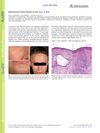 1 citations
,
January 2019 in “Acta dermato-venereologica”
1 citations
,
January 2019 in “Acta dermato-venereologica” The woman's skin and hair symptoms were confirmed as frontal fibrosing alopecia, and while facial papules are common in such cases, there's no effective local treatment, but systemic treatments can help.
 September 2024 in “Electronic Journal of General Medicine”
 Diagnosing Sertoli-Leydig cell tumors is challenging due to their unusual symptoms and can occur at any age.
 January 2024 in “Dermatology practical & conceptual”
 Lymecycline may help with Frontal Fibrosing Alopecia but needs more research.
 December 2022 in “Cureus”
 Hormones significantly influence hair growth, with conditions like hirsutism and patterned hair loss linked to hormone levels; more research is needed for full understanding.
 January 2021 in “Türkiye klinikleri dermatoloji dergisi”
 Eyebrow loss in frontal fibrosing alopecia is common and may be linked to other health issues.
 December 2012 in “Drugs & Therapy Perspectives”
 Doctors use their experience to choose treatments for scarring hair loss because it's hard to diagnose and treat.
 May 2006 in “Women's Health Medicine”
 Excessive hair growth in women, often from high androgen levels, is usually caused by PCOS, and can be treated with hair removal, medication, and possibly weight loss.
 July 2021 in “International Ophthalmology”
 Female hair loss patients more likely to have dry eye and gland issues.
 18 citations
,
June 2017 in “Journal of The American Academy of Dermatology”
18 citations
,
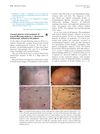
June 2017 in “Journal of The American Academy of Dermatology” Trichoscopy helps diagnose frontal fibrosing alopecia, even with unusual patterns.
 1 citations
,
March 2020 in “Australasian Journal of Dermatology”
1 citations
,
March 2020 in “Australasian Journal of Dermatology” The paper concludes that recognizing bitemporal alopecia areata is important for early treatment and preventing its progression.
 November 2023 in “European medical journal. Dermatology”
 Early diagnosis and new treatments are crucial to prevent permanent hair loss in scarring alopecia.
 170 citations
,
December 2009 in “Histopathology”
170 citations
,
December 2009 in “Histopathology” The conclusion is that accurate diagnosis of different types of hair loss requires good teamwork between skin doctors and lab experts.
 158 citations
,
February 2000 in “Archives of dermatology”
158 citations
,
February 2000 in “Archives of dermatology” Some people with pattern hair loss may also have scalp inflammation and scarring similar to lichen planopilaris.
 90 citations
,
July 2008 in “Dermatologic therapy”
90 citations
,
July 2008 in “Dermatologic therapy” Lichen planopilaris is a chronic, scarring hair loss condition with no definitive cure, requiring accurate diagnosis and treatment to manage symptoms.
 90 citations
,
June 2006 in “The American Journal of Dermatopathology”
90 citations
,
June 2006 in “The American Journal of Dermatopathology” The document concludes that accurate diagnosis of different types of hair loss requires careful examination of hair and scalp tissue, considering both clinical and microscopic features.
 76 citations
,
May 2007 in “Menopause International”
76 citations
,
May 2007 in “Menopause International” After menopause, women lose a lot of skin collagen, but estrogen replacement might improve skin health.
 72 citations
,
July 2008 in “Dermatologic Therapy”
72 citations
,
July 2008 in “Dermatologic Therapy” CCCA is a scarring hair loss condition mainly in African descent women, possibly caused by genetics and hairstyling, treated with gentle hair care and medications.
 68 citations
,
June 2005 in “Expert Opinion on Therapeutic Targets”
68 citations
,
June 2005 in “Expert Opinion on Therapeutic Targets” Oestrogens help maintain healthy skin, heal wounds, and may protect against skin aging and cancer.
 63 citations
,
May 2017 in “American Journal of Clinical Dermatology”
63 citations
,
May 2017 in “American Journal of Clinical Dermatology” People with alopecia areata often have lower levels of vitamin D, zinc, and folate, but more research is needed to understand if supplements can help treat it.
 47 citations
,
December 2000 in “Archives of Dermatological Research”
47 citations
,
December 2000 in “Archives of Dermatological Research” Androgens significantly affect female hair loss, and hormonal treatments may help.
 39 citations
,
October 2018 in “Lupus Science & Medicine”
39 citations
,
October 2018 in “Lupus Science & Medicine” Different types of hair loss in lupus need careful diagnosis for proper treatment.
 23 citations
,
November 2018 in “Journal of the European Academy of Dermatology and Venereology”
23 citations
,
November 2018 in “Journal of the European Academy of Dermatology and Venereology” The study concluded that severity of Frontal fibrosing alopecia is not linked to how long someone has it, can start before menopause, and eyebrow loss may be an early sign.
 23 citations
,
April 2018 in “Journal der Deutschen Dermatologischen Gesellschaft”
23 citations
,
April 2018 in “Journal der Deutschen Dermatologischen Gesellschaft” Permanent hair loss from cicatricial alopecia is treated by reducing inflammation and managing symptoms, but regrowth in scarred areas is unlikely.
 19 citations
,
July 2020 in “Journal of cancer survivorship”
19 citations
,
July 2020 in “Journal of cancer survivorship” People undergoing chemotherapy need better support and information to cope with hair loss.