 28 citations
,
October 1998 in “Baillière's clinical endocrinology and metabolism”
28 citations
,
October 1998 in “Baillière's clinical endocrinology and metabolism” Testosterone replacement may help post-menopausal women with androgen insufficiency, but more research is needed on its benefits and risks.
 6 citations
,
September 1998 in “The Journal of The British Menopause Society”
6 citations
,
September 1998 in “The Journal of The British Menopause Society” Testosterone replacement may help postmenopausal women with sexual function and bone density, but suitable treatments are limited.
January 2006 in “Casopís lékar̆ů c̆eských” Female hair loss is influenced by genetics and hormones, often starting in middle age or after hormonal changes.
July 2024 in “Journal of the ASEAN Federation of Endocrine Societies” In post-menopausal women, signs of increased male hormones should be checked for possible ovarian cancer.
 5 citations
,
January 2017 in “Acta Endocrinologica”
5 citations
,
January 2017 in “Acta Endocrinologica” High androgen levels in postmenopausal women may suggest an ovarian tumor, and removing it can improve heart and metabolic health.
 May 2025 in “International Journal of Reproduction Contraception Obstetrics and Gynecology”
 Ovarian tumors should be considered when postmenopausal women show signs of virilization.
84 citations
,
September 2014 in “European journal of endocrinology” Doctors should check for serious tumor causes of high androgen levels in postmenopausal women and more research is needed on this condition.
 June 2026 in “Romanian Journal of Medical Practice”
 Surgery resolved hormone imbalance and symptoms in a rare ovarian tumor case in an elderly woman.
October 2025 in “Journal of the Endocrine Society” Leydig cell tumors in the ovary can cause high testosterone and male traits in postmenopausal women but are treatable with surgery.
 November 2022 in “The Journal of Clinical Endocrinology and Metabolism”
 Postmenopausal hyperandrogenism, a condition with symptoms like increased hair growth and acne, is usually caused by PCOS but can also be due to other factors. It's diagnosed by checking testosterone levels and treated either by removing the adrenal tumor or through antiandrogen therapy.
 October 2024 in “Journal of the Endocrine Society”
 Rare ovarian tumors can cause hyperandrogenism, even if imaging appears normal.
 November 2022 in “Journal of the Endocrine Society”
 A woman's masculine features were caused by a rare ovarian tumor that produced male hormones.
 36 citations
,
May 2011 in “The Journal of Clinical Endocrinology & Metabolism”
36 citations
,
May 2011 in “The Journal of Clinical Endocrinology & Metabolism” Treatment with a hormone agonist can reduce excess male hormones in postmenopausal women without surgery.
 27 citations
,
April 2017 in “European journal of endocrinology”
27 citations
,
April 2017 in “European journal of endocrinology” The research found that MRI and certain hormone levels can help tell apart ovarian tumors from hyperthecosis in postmenopausal women, but tissue analysis is still needed for a definite diagnosis.
 8 citations
,
February 2009 in “Current Women's Health Reviews”
8 citations
,
February 2009 in “Current Women's Health Reviews” Testosterone treatment can improve sexual function and bone density in women but may have adverse effects and requires more research on safety and guidelines.
 April 2019 in “Journal of the Endocrine Society”
 The study found that imaging might miss small ovarian tumors causing high testosterone, and suggested using certain testosterone levels and treatment responses to identify these tumors.
 April 2020 in “Journal of the Endocrine Society”
 A woman's severe hirsutism was caused by Leydig cell tumors in her ovaries, which improved after surgery.
 1 citations
,
June 1987 in “British Journal of Dermatology”
1 citations
,
June 1987 in “British Journal of Dermatology” Patterned hair loss is relatively common in women and not usually a sign of serious health issues.
 January 2023 in “Seven Editora eBooks”
 A rare ovarian tumor was diagnosed in a woman from North Brazil, and surgery is the preferred treatment.
2 citations
,
March 2018 in “BMJ Case Reports” Check hormone levels in older women to find hidden conditions like certain tumors.
 November 2022 in “Journal of the Endocrine Society”
 A woman's small ovarian tumor causing high androgen levels was missed by several scans but found during surgery.
July 2025 in “AACE Endocrinology and Diabetes” Ovarian hyperthecosis caused high testosterone and virilization symptoms in a 60-year-old woman, which improved after surgery.
7 citations
,
January 2022 in “Case Reports in Endocrinology” Ovarian hyperthecosis can cause symptoms even with normal testosterone levels, and surgery can improve these symptoms.
April 2019 in “Journal of the Endocrine Society” A rare adrenal tumor in a woman only made DHEA-S, causing hair thinning, and was removed, fixing the hormone level.
A woman's excess male hormone symptoms were caused by a rare benign tumor in her ovary.
 20 citations
,
October 2017 in “Clinical Endocrinology”
20 citations
,
October 2017 in “Clinical Endocrinology” The conclusion is that removing both ovaries is the best treatment for excess male hormones in postmenopausal women, with medication as another option, and managing insulin resistance is important for diagnosis and treatment.
 1 citations
,
January 2018 in “Journal of Gynecologic Surgery”
1 citations
,
January 2018 in “Journal of Gynecologic Surgery” Removing both ovaries can treat increased testosterone and related symptoms in postmenopausal women with ovarian hyperthecosis.
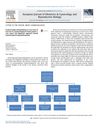 1 citations
,
February 2016 in “European Journal of Obstetrics & Gynecology and Reproductive Biology”
1 citations
,
February 2016 in “European Journal of Obstetrics & Gynecology and Reproductive Biology” An 84-year-old woman's hair loss was due to a rare condition called Leydig cell hyperplasia, which was treated with surgery.
 63 citations
,
March 2011 in “Clinical Endocrinology”
63 citations
,
March 2011 in “Clinical Endocrinology” Evaluate postmenopausal women with high androgen levels using medical history, physical exams, lab tests, and imaging to manage health risks.
 May 2021 in “Journal of the Endocrine Society”
 A woman's severe hormone imbalance after menopause led to finding a rare ovarian tumor, treated by surgery.