 January 2021 in “Case Reports”
 A 71-year-old woman developed male-like features due to high testosterone levels caused by a benign ovarian tumor, which was successfully removed by surgery.
December 2020 in “Research Square (Research Square)” Rare ovarian tumors can cause increased male hormones in postmenopausal women; surgery is an effective treatment.
 June 2020 in “International Journal of Research in Dermatology”
 Early postmenopausal women often experience skin issues like vaginal dryness, swallowing difficulties, hair loss, and uncommonly, keratoderma and hirsutism, but many are unaware these are related to menopause.
 January 2020 in “Journal of South Asian Federation of Obstetrics and Gynaecology”
 Removing the ovaries can help treat hair loss caused by high androgen levels in postmenopausal women.
 January 2017 in “Springer eBooks”
 Over 40% of postmenopausal women experience hair loss, with treatments aiming to stop further loss and possibly thicken hair.
May 2011 in “MOspace Institutional Repository (University of Missouri)” Finasteride at 1 mg daily doesn't help hair loss in postmenopausal women and has similar side effects to a placebo.
January 2011 in “Zhongguo shiyong fuke yu chanke zazhi” Hormone replacement therapy improves skin health and reduces aging signs in postmenopausal women.
 June 2003 in “Obstetrical & Gynecological Survey”
 Postmenopausal ovary stromal cells have a unique makeup and limited steroid production, suggesting androgens come from the adrenal gland.
 June 1995 in “International Journal of Gynecology & Obstetrics”
 Higher doses of oestradiol implants improve bone density in postmenopausal women.
 May 1963 in “American journal of obstetrics and gynecology”
 Injecting 2 ml of TEEV every 4 weeks is better because it has the same benefits but fewer side effects.
 April 2022 in “International Journal of Nursing Education”
 Post-menopausal women have average knowledge about pranayama's effects on their symptoms.
 August 2003 in “Journal of Investigative Dermatology Symposium Proceedings”
 The document did not provide enough information to summarize the causes of hair loss in pre- and postmenopausal women.
May 2021 in “Journal of the Endocrine Society” A woman developed male characteristics after using unregulated hormone therapy.
 12 citations
,
March 2018 in “Medicine”
12 citations
,
March 2018 in “Medicine” A postmenopausal woman's hirsutism and high testosterone levels improved after surgery for an ovarian tumor not seen on ultrasound.
 12 citations
,
January 2009 in “Gynecological Endocrinology”
12 citations
,
January 2009 in “Gynecological Endocrinology” A postmenopausal woman's hair loss and excess hair growth improved after surgery for ovarian hyperthecosis.
6 citations
,
June 2006 in “International Journal of Gynecological Pathology” A postmenopausal woman's hormone imbalance and symptoms improved after removing benign ovarian tumors.
 4 citations
,
December 2012 in “Arquivos Brasileiros De Endocrinologia E Metabologia”
4 citations
,
December 2012 in “Arquivos Brasileiros De Endocrinologia E Metabologia” A postmenopausal woman's masculine symptoms improved after surgery for a hormone-producing ovarian tumor.
 2 citations
,
August 2011 in “Revista Medica De Chile”
2 citations
,
August 2011 in “Revista Medica De Chile” A postmenopausal woman's high testosterone levels and symptoms improved after removing a tumor from her ovary.
 1 citations
,
July 2021 in “Research Square (Research Square)”
1 citations
,
July 2021 in “Research Square (Research Square)” Osteoporotic postmenopausal Sudanese women have a high risk of cardiovascular disease.
October 2025 in “Journal of the Endocrine Society” A postmenopausal woman had rare symptoms due to a possible ovarian tumor, needing thorough evaluation.
 November 2023 in “JCEM Case Reports”
 A postmenopausal woman's excess male hormone symptoms improved after her ovaries were removed.
 October 2023 in “Journal of the Endocrine Society”
 A woman's increased facial hair and hair loss were caused by a rare ovarian tumor, cured by surgery.

Most postmenopausal women experience significant skin changes and various skin conditions.
 November 2022 in “Journal of the Endocrine Society”
 A woman's masculine symptoms were caused by a rare tumor in her left ovary, which was found using a special blood test.
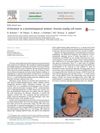 January 2014 in “European Geriatric Medicine”
 A postmenopausal woman's virilization was caused by a rare ovarian tumor that was hard to detect but was successfully treated with surgery.
 August 2009 in “International Journal of Dermatology”
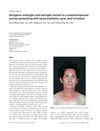
 A postmenopausal woman's facial redness, acne, and excess hair were caused by too much hormone therapy for insomnia, but improved after stopping the treatment.
April 2020 in “International journal of reproduction, contraception, obstetrics and gynecology” A postmenopausal woman with hair loss and hirsutism improved after surgery to remove an ovarian tumor.
 64 citations
,
June 2009 in “Journal of The American Academy of Dermatology”
64 citations
,
June 2009 in “Journal of The American Academy of Dermatology” Oral dutasteride can potentially treat frontal fibrosing alopecia in postmenopausal women, with some patients showing disease arrest and hair regrowth.
 28 citations
,
May 2013 in “The Journal of Steroid Biochemistry and Molecular Biology”
28 citations
,
May 2013 in “The Journal of Steroid Biochemistry and Molecular Biology” Testosterone therapy can improve sexual desire and function in postmenopausal women but should be used cautiously and not based solely on testosterone levels.
 27 citations
,
April 2017 in “European journal of endocrinology”
27 citations
,
April 2017 in “European journal of endocrinology” The research found that MRI and certain hormone levels can help tell apart ovarian tumors from hyperthecosis in postmenopausal women, but tissue analysis is still needed for a definite diagnosis.