 January 2013 in “Otorhinolaryngology clinics : an international journal”
 PRP shows promise for improving healing and hair growth in cosmetic surgery but results can vary.
 January 2012 in “Methods in pharmacology and toxicology”
 TRPV3 could be a target for treating pain, skin disorders, and hair problems, but more research is needed to create effective drugs.
 January 2011 in “Elsevier eBooks”
 Alopecia in animals can be hereditary, congenital, or acquired, with treatments and outcomes varying widely.
 August 2010 in “The Journal of Dermatology”
 The document concludes that low-dose acne treatment is most suitable for moderate acne, with high patient satisfaction and low relapse rates.
 January 2009 in “Side effects of drugs annual”
 Some blood-thinning medications can increase the risk of bleeding, and certain factors like genetics and other health conditions affect their safety and effectiveness.
 January 2009 in “Springer eBooks”
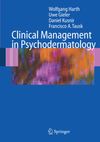
 The document concludes that treating skin conditions should include psychological care and a multidisciplinary approach is essential for effective management.
 October 2006 in “Aging Health”
 Dutasteride effectively treats benign prostatic obstruction, improves urinary flow, reduces prostate size, and may prevent prostate cancer, but can cause sexual side effects.
 June 2006 in “The American Journal of Cosmetic Surgery”
 Advancements in cosmetic and reconstructive surgery improve techniques and patient satisfaction.
 September 2005 in “Clinics in Plastic Surgery”
 The document provides a comprehensive index of medical and surgical topics, including hair removal, hair restoration, and various treatments for injuries and conditions.
 September 2004 in “Experimental dermatology”
 Melatonin directly affects mouse hair follicles and may influence hair growth.
 February 2004 in “Dermatologic Surgery”
 Deep Plane Fixation in scalp surgeries allows for more tissue removal with less tension and minimal scarring.
 January 1998 in “Lasers in Surgery and Medicine”
 Lasers are effective and safe for various medical treatments, including cancer, wound healing, and skin conditions.
 July 1994 in “Annals of Pharmacotherapy”
 Cromolyn sodium's effectiveness for treating asthma in children under 2 is unclear, possibly more beneficial for older children, and further research is needed.

Malnourished people have weaker hair that is easier to pluck.
 February 1960 in “Journal of the American Medical Association”
 Treatments for hair loss include estrogen therapy and special shampoos.

Dental procedures and treatments show promise but need more research for conclusive results.

The treatment improved facial structure and corrected bite issues in patients.
 May 2023 in “Current Applied Science and Technology”
 Higher power CO2 laser causes more severe skin burns and damage.
 January 2012 in “Current Therapy In Oral and Maxillofacial Surgery”
 Endoscopic forehead and brow lifting safely and consistently improves aged eyebrows, but may have complications.
 February 2002 in “Dermatologic Surgery”
 Best hair transplant results happen when tissues are least damaged.
 September 2001 in “Dermatologic Surgery”
 Scalp surgery guidelines ensure best cosmetic results and fewer complications.

More research is needed to confirm the potential of various treatments, including Helichrysum plicatum, vitamins, bromelain, personalized medications, hydrogels, and bacteriophage therapy.
 July 2011 in “Facial Plastic Surgery”
 The document provides a quiz for physicians to earn continuing medical education credits in facial plastic surgery.
 203 citations
,
December 2004 in “Journal of The American Academy of Dermatology”
203 citations
,
December 2004 in “Journal of The American Academy of Dermatology” Early diagnosis and treatment, using finasteride, minoxidil, or hair transplantation, improves hair loss outcomes.
 28 citations
,
January 2021 in “Parkinsonism & related disorders (Online)/Parkinsonism & related disorders”
28 citations
,
January 2021 in “Parkinsonism & related disorders (Online)/Parkinsonism & related disorders” Parkinson's disease is linked to skin disorders and skin cells help in studying the disease.
 28 citations
,
May 2019 in “Life Sciences”
28 citations
,
May 2019 in “Life Sciences” Ginsenoside Rb1 from Panax ginseng helps mink hair grow by activating certain cell signals.
 17 citations
,
August 2015 in “Expert Opinion on Pharmacotherapy”
17 citations
,
August 2015 in “Expert Opinion on Pharmacotherapy” The document concludes that oral finasteride and topical minoxidil are effective for genetic hair loss, while other treatments for different types of hair loss show promise but need more research.
 13 citations
,
June 1989 in “Pediatric clinics of North America/The Pediatric clinics of North America”
13 citations
,
June 1989 in “Pediatric clinics of North America/The Pediatric clinics of North America” The conclusion is that young women with excessive hair growth should be quickly tested for hormonal issues and treated to improve their social well-being.
 9 citations
,
January 1959 in “The journal of nutrition/The Journal of nutrition”
9 citations
,
January 1959 in “The journal of nutrition/The Journal of nutrition” Higher potassium intake may protect against hair loss and liver fat in lysine-deficient rats.
 4 citations
,
October 2024 in “BMC Oral Health”
4 citations
,
October 2024 in “BMC Oral Health” Platelet-rich fibrin shows promise for treating oral lesions but needs more research.