 March 2022 in “Osaka City University (Osaka City University)”
 Ovariectomy in mice affects hair growth and skin thickness, suggesting potential for obesity treatment research.
 March 2019 in “Our Dermatology Online”
 A woman with severe hair loss regrew mostly white hair after treatment.
17 citations
,
August 1971 in “Journal of Investigative Dermatology”  7 citations
,
June 2021 in “JAAD Case Reports”
7 citations
,
June 2021 in “JAAD Case Reports” A woman had hair loss, nail changes, and skin peeling after a COVID-19 infection, which got better on their own.
 October 2025 in “Animal Bioscience”
 Key RNAs and genes linked to cashmere shedding in goats were identified.
 1 citations
,
July 2022 in “Clinical and Experimental Dermatology”
1 citations
,
July 2022 in “Clinical and Experimental Dermatology” Menopause can cause hair problems.
 January 2012 in “Postgraduate obstetrics & gynecology”
 Up to 50% of women may experience significant hair loss by age 50, with various causes and treatments available.
 December 2023 in “International journal of research in dermatology”
 Most pregnant women experience common skin changes like linea nigra and stretch marks.
 34 citations
,
June 2014 in “The BMJ”
34 citations
,
June 2014 in “The BMJ” Pregnancy can change skin disease severity, with some conditions improving and others worsening, and treatment should balance benefits and fetal safety.
2 citations
,
March 2017 in “The Australian and New Zealand journal of obstetrics and gynaecology” We need better information on how fathers' exposures affect pregnancy.
 3 citations
,
November 2010 in “Rheumatic Diseases Clinics of North America”
3 citations
,
November 2010 in “Rheumatic Diseases Clinics of North America” Pregnancy can cause symptoms similar to rheumatic diseases, making diagnosis difficult, and affects various body systems, requiring careful distinction between normal changes and serious conditions.
Maria is losing a lot of hair and is considering using Rogaine.
January 2017 in “Elsevier eBooks” Telogen effluvium is a condition that causes temporary hair loss due to stress or shock to the body.

Many Egyptian women who were hospitalized for COVID-19 experienced significant hair loss afterwards.
 50 citations
,
October 1918 in “The journal of experimental zoology”
50 citations
,
October 1918 in “The journal of experimental zoology” Artificially inducing hair regrowth in mice can change the normal pattern and timing of hair growth, with minimal color differences between old and new fur.
June 2011 in “European Journal of Pediatric Dermatology” An 11-year-old girl with hair thinning was diagnosed with monilethrix and early androgenetic alopecia.
 November 1995 in “Journal of Pediatric Health Care”
 Most hair loss in kids and teens is due to common conditions, and hair usually grows back within 6 months.
 December 2021 in “Australasian Journal of Dermatology”
 Red stripes on nails and hair loss may occur after COVID-19.
1 citations
,
December 2018 in “Veterinary dermatology” The hair coat disorder in Schipperkes is similar to Alopecia X and involves increased androstenedione levels and hair cycle arrest.
 23 citations
,
April 2004 in “American Journal of Ophthalmology”
23 citations
,
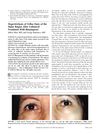
April 2004 in “American Journal of Ophthalmology” Using bimatoprost on one side of the face caused increased cheek hair growth in a patient.
 15 citations
,
March 2004 in “American Journal of Ophthalmology”
15 citations
,
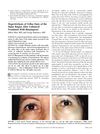
March 2004 in “American Journal of Ophthalmology” Using bimatoprost on one side of the face caused increased cheek hair growth in a patient.
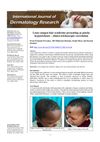 January 2026 in “International Journal of Dermatology Research”
 Early recognition of loose anagen hair syndrome is important to prevent misdiagnosis and unnecessary treatments.
December 2025 in “ILDS-DEV”  January 2004 in “Springer eBooks”
 Telogen effluvium is a condition that causes temporary hair loss.
 8 citations
,
February 2022 in “Journal of Clinical Medicine”
8 citations
,
February 2022 in “Journal of Clinical Medicine” Many COVID-19 patients experience temporary hair loss after infection, not linked to infection severity or treatment.
 April 2022 in “Australasian Journal of Dermatology”
 Skin changes during pregnancy are common, and non-invasive imaging is safe for monitoring these changes.
325 citations
,
June 1994 in “Archives of Dermatology” Postmenopausal frontal fibrosing alopecia may be a unique condition linked to postmenopausal changes.
 June 1989 in “Diseases of the Colon & Rectum”
 Some patients experience temporary hair loss after ulcerative colitis surgery, likely due to illness rather than the surgery itself, and it usually grows back within six months.