 January 2021 in “Dermatology Research and Practice”
 The study aims to understand the skin and hair characteristics of mothers and their babies, and how these may affect newborns' skin health and mothers' postpartum hair loss.
 September 2016 in “Más dermatología”
 Postpartum hair loss usually stops within 4-6 months.
 37 citations
,
June 2021 in “Journal of the European Academy of Dermatology and Venereology”
37 citations
,
June 2021 in “Journal of the European Academy of Dermatology and Venereology” Adult skin quickly reacts to short-term environmental and internal stress, leading to various skin issues and the need for protective measures.
 1 citations
,
July 2021 in “Anais Brasileiros de Dermatologia”
1 citations
,
July 2021 in “Anais Brasileiros de Dermatologia” The conclusion is that three signs can help diagnose hair loss after it happens, potentially avoiding more invasive tests.
 February 2010 in “Journal of The American Academy of Dermatology”
 Babies born after 38 weeks to mothers under 36 years old and not delivered by C-section have a higher risk of neonatal occipital alopecia.
 1 citations
,
May 2025 in “Maturitas”
1 citations
,
May 2025 in “Maturitas” Menopause can cause hair loss in women due to hormonal changes, affecting their well-being and quality of life.
January 2019 in “Zenodo (CERN European Organization for Nuclear Research)” Diffuse hair loss in women is often linked to anemia, thyroid issues, and conditions like polycystic ovarian disease.
 February 2012 in “Clinical and Experimental Dermatology”
 Many adult women experience unexplained excessive hair shedding, often starting before age 40.
 7 citations
,
January 2015 in “Current problems in dermatology”
7 citations
,
January 2015 in “Current problems in dermatology” Hair loss can be caused by stress, infections, drugs, and various diseases, with treatment depending on accurate diagnosis.
 1 citations
,
January 2017 in “Current Dermatology Reports”
1 citations
,
January 2017 in “Current Dermatology Reports” Early baldness in men may indicate risks for obesity, metabolic syndrome, insulin resistance, and heart disease, similar to women with PCOS. Alopecia areata is often linked with autoimmune diseases and mental health issues. Certain hair disorders are due to genetic issues, and chemotherapy can cause hair loss through specific biological pathways. Iron deficiency's link to hair loss is still disputed.
 February 2009 in “Springer eBooks”
 Pregnancy can cause more body and scalp hair growth and make nails brittle, but these changes often revert after giving birth.
 64 citations
,
June 1992 in “International Journal of Dermatology”
64 citations
,
June 1992 in “International Journal of Dermatology” Pregnancy often causes skin changes like darkening, stretch marks, and hair growth, which may improve after childbirth.
 141 citations
,
January 1984 in “Journal of The American Academy of Dermatology”
141 citations
,
January 1984 in “Journal of The American Academy of Dermatology” Pregnancy can cause skin darkening, varicose veins, more sweating, hair growth, hair loss after birth, nail changes, and gum inflammation.
 47 citations
,
May 2002 in “Journal of Cutaneous Medicine and Surgery”
47 citations
,
May 2002 in “Journal of Cutaneous Medicine and Surgery” Pregnancy can cause normal skin changes that usually go away after childbirth and don't need treatment.
 41 citations
,
October 2017 in “International Journal of Women's Dermatology”
41 citations
,
October 2017 in “International Journal of Women's Dermatology” Most pregnant women experience skin darkening and hair changes, with these effects usually going away after giving birth.
 36 citations
,
April 1990 in “Dermatologic Clinics”
36 citations
,
April 1990 in “Dermatologic Clinics” Most pregnant women experience skin changes like darkening and stretch marks, and some may have skin conditions that usually get better after giving birth.
 November 2013 in “International Journal of Medical and Health Sciences”
 Doctors often miss Hair Tourniquet Syndrome, which can lead to serious damage if not treated quickly.
 January 2009 in “Springer eBooks”
 The document concludes that managing skin conditions during pregnancy is important and requires specialized care.
 2 citations
,
September 2022 in “Cureus”
2 citations
,
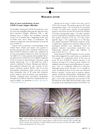
September 2022 in “Cureus” Almost half of COVID-19 patients in Makkah, Saudi Arabia experienced increased hair loss, especially women and those with chronic diseases.
 32 citations
,
July 2021 in “Journal of The American Academy of Dermatology”
32 citations
,
July 2021 in “Journal of The American Academy of Dermatology” Hair loss from COVID-19 usually starts around 45 days after infection and lasts about 47.5 days.
 4 citations
,
March 2021 in “International Journal of Dermatology”
4 citations
,
March 2021 in “International Journal of Dermatology” COVID-19 and related stress may increase hair loss known as Telogen effluvium.
 67 citations
,
January 2013 in “Indian Journal of Dermatology, Venereology and Leprology”
67 citations
,
January 2013 in “Indian Journal of Dermatology, Venereology and Leprology” Chronic Telogen Effluvium may resolve after years and is diagnosed by examining the patient's history and clinical signs, with treatment aimed at underlying causes and possibly minoxidil.
 75 citations
,
October 1996 in “Dermatologic Clinics”
75 citations
,
October 1996 in “Dermatologic Clinics” Chronic Telogen Effluvium is a hair loss condition in middle-aged women that usually doesn't lead to complete baldness.
 21 citations
,
January 2016 in “Skin appendage disorders”
21 citations
,
January 2016 in “Skin appendage disorders” Alfredo Rebora suggested a new, easier way to classify hair loss in Telogen Effluvium, adding a type possibly related to autoimmune diseases.
 13 citations
,
October 2013 in “Dermatologic Therapy”
13 citations
,
October 2013 in “Dermatologic Therapy” ATE is linked to FAA, and treatment depends on cause; minoxidil helps, finasteride may worsen.
 January 2019 in “Kocaeli tıp dergisi”
 People with chronic hair loss may have a higher chance of Vitamin B12 deficiency.
 18 citations
,
January 2016 in “Skin appendage disorders”
18 citations
,
January 2016 in “Skin appendage disorders” The paper suggests improving diagnosis and treatment of telogen effluvium but does not recommend a new classification system.
 March 2025 in “Meditsinskiy sovet = Medical Council”
 Diffuse telogen alopecia is temporary hair loss treated by addressing the root cause and improving scalp health.
 January 2011 in “Medicina interna de México”
 The document concludes that treating the underlying causes of telogen effluvium usually results in hair regrowth.
 234 citations
,
December 1996 in “Journal of The American Academy of Dermatology”
234 citations
,
December 1996 in “Journal of The American Academy of Dermatology” Middle-aged women with chronic telogen effluvium experience increased hair shedding but usually don't get significantly thinner hair.