 1 citations
,
June 2021 in “Biomolecules & Therapeutics”
1 citations
,
June 2021 in “Biomolecules & Therapeutics” Activating δ-opioid receptors can help hair grow.
 5 citations
,
September 2011 in “Bioorganic & Medicinal Chemistry Letters”
5 citations
,
September 2011 in “Bioorganic & Medicinal Chemistry Letters” Pfizer found that pantolactam-based compounds can reduce sebum (skin oil) production when applied topically.
129 citations
,
January 2004 in “Journal of medicinal chemistry” Researchers developed new compounds that target the androgen receptor effectively with fewer side effects.
 43 citations
,
July 2013 in “Pharmacological reviews”
43 citations
,
July 2013 in “Pharmacological reviews” New research on prostamide F2α has led to treatments for glaucoma and eyelash growth and may have more medical uses.
May 2026 in “Journal of Medicinal Chemistry” dAR-6–1 is a promising new treatment for hair loss that works better than minoxidil.
91 citations
,
May 2003 in “PubMed” Neuroactive steroids affect cocaine's rewarding effects through the sigma1 receptor.

GLP-1 receptor agonists for weight loss may cause hair loss, especially in women.
Delta-opioid receptors affect skin cell circadian rhythms, possibly impacting wound healing and cancer.
 October 2025 in “JEADV Clinical Practice”
 GLP-1 receptor agonists may increase the risk of a specific type of hair loss called androgenetic alopecia.
 37 citations
,
March 2006 in “Regulatory Peptides”
37 citations
,
March 2006 in “Regulatory Peptides” Mice skin has components that could help with hair growth and might be used for diabetes treatment.

A new topical treatment for hair loss is effective and safe with faster results.
25 citations
,
September 2024 in “Cardiovascular Drugs and Therapy” GLP1-RAs may have higher reports of suicidal events and hair loss compared to other diabetes drugs.
 38 citations
,
June 2015 in “Expert Opinion on Therapeutic Targets”
38 citations
,
June 2015 in “Expert Opinion on Therapeutic Targets” Blocking the prolactin receptor might help treat various diseases, but more research is needed.
A new topical treatment for hair loss is effective and safe with faster results.

A new topical treatment for hair loss is effective and safe with faster results.
A new topical treatment for hair loss is effective and safe with faster results.
A new topical treatment for hair loss is effective and safe with faster results.

A new topical treatment for hair loss is effective and safe with faster results.
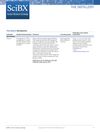 2 citations
,
April 2012 in “Science-business Exchange”
2 citations
,
April 2012 in “Science-business Exchange” Blocking a protein called prostaglandin D2 might help treat hair loss.

A new topical treatment for hair loss is effective and safe with faster results.
A new topical treatment for hair loss is effective and safe with faster results.
A new topical treatment for hair loss is effective and safe with faster results.
29 citations
,
January 2020 in “BioMed Research International” Sinapic acid may help fight obesity and promote hair growth.
 June 2026 in “Dermatology and Therapy”
 GLP-1RAs, like semaglutide and tirzepatide, may cause hair loss, so patients should be informed and monitored.
23 citations
,
December 2013 in “Molecular cancer therapeutics” Breast cancer treatments work better with AR activation, improving results and reducing side effects.
June 2026 in “Skin Appendage Disorders” GLP-1 receptor agonists may increase the risk of hair loss, especially non-scarring types, due to weight loss-related nutrient deficiencies.
143 citations
,
May 2002 in “PubMed” LGD1069 effectively prevents breast tumors in mice without toxicity.
2 citations
,
September 2025 in “Frontiers in Endocrinology” SARMs show promise but need more evidence to prove they're better than traditional androgens.
November 2003 in “Journal of Neurochemistry” Allopregnanolone may enhance alcohol's effects on dopamine neurons, influencing addiction risk.
 2 citations
,
November 2017 in “Elsevier eBooks”
2 citations
,
November 2017 in “Elsevier eBooks” Different substances that activate or block the androgen receptor can affect male development and treat conditions like prostate cancer.