 57 citations
,
December 2021 in “Nature Communications”
57 citations
,
December 2021 in “Nature Communications” Non-canonical Wnt signaling helps intestinal stem cells move to injury sites for tissue repair.
A new method allows detailed tracking of cell regeneration in crustacean legs.
Stem cells play a key role in nonmelanoma skin cancers, with different origins and genetic changes linked to basal and squamous cell carcinomas.
21 citations
,
June 2004 in “Experimental Dermatology” Ber‐EP4 marks cells related to the secondary hair germ in hair follicles.
 January 2025 in “Frontiers in Cell and Developmental Biology”
 Hox proteins help maintain keratinocyte identity by regulating miRNA expression.
286 citations
,
June 2012 in “Nature Immunology” Hair follicles help attract immune cells to the skin during stress.

Sensory neuron and Merkel-cell changes in the skin happen independently during normal skin maintenance.
124 citations
,
December 1988 in “Differentiation” Trichocytic differentiation starts in cells with epithelial cytokeratins, transitioning to trichocytic cytokeratins in hair and gradually in nails.
23 citations
,
December 1977 in “Virchows Archiv B Cell Pathology” June 2023 in “bioRxiv (Cold Spring Harbor Laboratory)” Dopaminergic neurons in the gut have distinct subtypes, some releasing both dopamine and acetylcholine.
130 citations
,
April 2003 in “Journal of Investigative Dermatology” Four specific keratins in hair follicles help understand hair structure and function.
2 citations
,
July 2001 in “Dermatologic Surgery” Trichoblastic carcinoma may be a distinct type of skin cancer different from basal cell carcinoma.
87 citations
,
August 2017 in “Differentiation” Stromal cells significantly influence Wnt signaling in the intestine, affecting cell growth and health.
2 citations
,
August 2021 in “bioRxiv (Cold Spring Harbor Laboratory)” Skin stem cells help create protective immune cells during wound healing.
January 2026 in “Annals of Pathology and Laboratory Medicine” Accurate diagnosis of rare pilomatrix carcinoma is crucial for effective treatment.
 June 2026 in “Cell Regeneration”
 The olfactory epithelium can regenerate throughout life, aided by specific cells, genes, and new research methods.
 1 citations
,
January 2016 in “Elsevier eBooks”
1 citations
,
January 2016 in “Elsevier eBooks” The document concludes that identifying the specific cells where skin cancers begin is important for creating better prevention, detection, and treatment methods.
 21 citations
,
October 2017 in “Journal of Investigative Dermatology”
21 citations
,
October 2017 in “Journal of Investigative Dermatology” The document concludes that understanding dermal papilla cells is key to improving hair regeneration treatments.
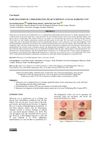 March 2022 in “Folia Medica Indonesiana”
 The lump on a woman's scalp was a rare, potentially cancerous tumor from the hair follicle, not a common cyst.
June 2025 in “Histopathology” Epithelial elements in superficial angiomyxomas are non-neoplastic growths mimicking embryogenesis.
1 citations
,
July 2025 in “Scientific Reports” CD133+ cells are crucial for hair growth.
3 citations
,
October 2021 in “Neuroscience Letters”  17 citations
,
December 2019 in “Stem Cell Research & Therapy”
17 citations
,
December 2019 in “Stem Cell Research & Therapy” Grouping certain skin cells together activates a growth pathway that helps create new hair follicles.
 291 citations
,
April 2010 in “Gastroenterology”
291 citations
,
April 2010 in “Gastroenterology” Certain proteins, Lgr5 and Lgr6, are important markers of adult stem cells and are involved in tissue repair and cancer development.
 April 2017 in “Journal of Investigative Dermatology”
 PRC1 influences skin stem cell development by both turning genes on and off, affecting hair growth and skin cell types.
52 citations
,
October 2005 in “Journal of Investigative Dermatology” Hair follicle stem cells have greater longevity and adhesion, while transit-amplifying cells are more mobile.
January 2023 in “Nature Immunology” Certain immune cells help hair growth by regulating iron in the skin.
 17 citations
,
September 2014 in “PLoS ONE”
17 citations
,
September 2014 in “PLoS ONE” SK2 channels help control sensory signals in rat muscle spindles and hair follicles.
14 citations
,
September 1999 in “Journal of Investigative Dermatology” Lack of TrkC receptor delays hair follicle development.
January 2011 in “The Chinese Journal of Dermatovenereology” DPC-hTERT cells can create hair follicle-like structures.