 30 citations
,
April 2017 in “Experimental Dermatology”
30 citations
,
April 2017 in “Experimental Dermatology” Hair follicle stem cells and skin cells show promise for hair and skin therapies but need more research for clinical use.
64 citations
,
January 2013 in “The journal of investigative dermatology/Journal of investigative dermatology” Human stem cells can help form hair follicles in mice.
 9 citations
,
July 2018 in “European journal of dermatology/EJD. European journal of dermatology”
9 citations
,
July 2018 in “European journal of dermatology/EJD. European journal of dermatology” Disrupted sleep patterns can harm skin and hair cell renewal, but melatonin might help.
 2 citations
,
May 2019 in “Advances in wound care”
2 citations
,
May 2019 in “Advances in wound care” Blood-derived CD34+ cells speed up healing, reduce scarring, and regrow hair in skin wounds.

The hydrogel treatment speeds up healing of diabetic wounds.
 330 citations
,
December 2009 in “Cell stem cell”
330 citations
,
December 2009 in “Cell stem cell” SKPs are similar to adult skin stem cells and could help in skin repair and hair growth.
 44 citations
,
July 2016 in “Stem Cells Translational Medicine”
44 citations
,
July 2016 in “Stem Cells Translational Medicine” Scientists discovered that certain stem cells from mice and humans can be used to grow new hair follicles and skin glands when treated with a special mixture.
 25 citations
,
April 2012 in “Acta Biomaterialia”
25 citations
,
April 2012 in “Acta Biomaterialia” Using certain small proteins with a growth factor and specific materials can increase the creation of neurons from stem cells.
 21 citations
,
December 2016 in “PLOS ONE”
21 citations
,
December 2016 in “PLOS ONE” Scientists made skin stem cells from other human cells with over 97% efficiency, which could help treat skin conditions.
17 citations
,
September 2016 in “Stem cells translational medicine” Using bioreactors, scientists can grow more skin stem cells that keep their ability to regenerate skin and hair.
February 2026 in “ACS Biomaterials Science & Engineering” Human stem cells can help grow hair for regenerative medicine.
 April 2017 in “Journal of Investigative Dermatology”
 Stem cells can create hair follicles, potentially treating permanent hair loss, and healthy skin and hair depend on mitochondrial function and special fats.
 November 2024 in “Experimental Dermatology”
 SKO-derived SKP-like cells may help with hair regeneration and skin restoration.
 3 citations
,
September 2018 in “Journal of Biomaterials Science, Polymer Edition”
3 citations
,
September 2018 in “Journal of Biomaterials Science, Polymer Edition” Different materials affect the growth of brain cells and fibroblasts, with matrigel being best for brain cell growth.
28 citations
,
September 2011 in “Stem Cell Reviews and Reports” 1 citations
,
December 2020 in “International journal of molecular sciences” External factors can cause skin cancer cells that usually don't spread to grow and form tumors in mice.
 April 2019 in “Journal of Investigative Dermatology”
 The search scheme SMRI is faster and more secure for retrieving encrypted data from the cloud.
 April 2016 in “Journal of Investigative Dermatology”
 Blocking Prostaglandin D₂ (PGD₂) could help treat hair loss.
161 citations
,
June 1993 in “Journal of Biological Chemistry” Trichohyalin helps in hair and skin cell structure and function by binding calcium and linking proteins.
2 citations
,
January 1993 Trichohyalin is a versatile protein involved in hair and skin structure.
 499 citations
,
September 2011 in “Cell”
499 citations
,
September 2011 in “Cell” Fat-related cells are important for initiating hair growth.
 222 citations
,
August 2009 in “Experimental Dermatology”
222 citations
,
August 2009 in “Experimental Dermatology” Stem cells are crucial for wound healing and understanding their role could lead to new treatments, but more research is needed to answer unresolved questions.
 42 citations
,
May 2016 in “Annual Review of Cell and Developmental Biology”
42 citations
,
May 2016 in “Annual Review of Cell and Developmental Biology” Fat cells are important for tissue repair and stem cell support in various body parts.
June 2024 in “Regenerative Therapy” iPSCs show promise for hair regeneration but need more research to improve reliability and effectiveness.
5 citations
,
July 2019 in “Clinical and experimental dermatology” Adding collagenase to trypsin improves cell yield and repigmentation in vitiligo treatment.
 169 citations
,
June 2010 in “Molecular & cellular proteomics”
169 citations
,
June 2010 in “Molecular & cellular proteomics” Pectin biosynthesis is essential for the growth of cotton fibers and Arabidopsis root hairs.
 75 citations
,
October 2016 in “Genes & Development”
75 citations
,
October 2016 in “Genes & Development” Cells in hair follicles help create fat cells in the skin by releasing a protein called Sonic Hedgehog.
 24 citations
,
September 2008 in “Clinical and experimental dermatology”
24 citations
,
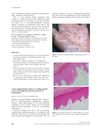
September 2008 in “Clinical and experimental dermatology” Repigmentation in vitiligo may come from melanocyte stem cells in the skin.
 1 citations
,
December 2015 in “Journal of the Medical Sciences (Berkala Ilmu Kedokteran)”
1 citations
,
December 2015 in “Journal of the Medical Sciences (Berkala Ilmu Kedokteran)” Transplanting melanocyte stem cells from hair follicles can effectively treat vitiligo.
69 citations
,
October 2013 in “Journal of Tissue Engineering and Regenerative Medicine” Current skin repair methods for severe burns are inadequate, but stem cells and new materials show promise for better healing.