 9 citations
,
May 2012 in “British Journal of Dermatology”
9 citations
,
May 2012 in “British Journal of Dermatology” Reversing female hair loss.
7 citations
,
August 1985 in “British journal of dermatology/British journal of dermatology, Supplement” Medroxyprogesterone acetate injections are more effective than topical ointment in treating excessive hair growth in women.
 October 2023 in “Siriraj Medical Journal”
 Acne and hair loss in women can greatly lower their quality of life, but having polycystic ovarian syndrome does not.
October 2025 in “Zagazig University Medical Journal” Skin issues like hirsutism, acne, and acanthosis nigricans are common in PCOS and linked to hormone and metabolic changes.
3 citations
,
September 2021 in “The Medical Journal of Cairo University/The Medical Journal of Cairo University” Males with acne are more likely to have Metabolic Syndrome.
 1 citations
,
January 2023 in “Middle East Research Journal of Pharmaceutical Sciences”
1 citations
,
January 2023 in “Middle East Research Journal of Pharmaceutical Sciences” Acne is a chronic inflammatory disease that affects quality of life and needs better treatment strategies.
7 citations
,
September 1988 in “Baillière's clinical obstetrics and gynaecology” Cyproterone acetate is effective for treating hirsutism and acne in women by blocking androgens in the skin and also works as a contraceptive.
Skin issues in women with PCOS are linked to hormone imbalances and can help diagnose the condition early.
 947 citations
,
February 2004 in “The Journal of Clinical Endocrinology and Metabolism”
947 citations
,
February 2004 in “The Journal of Clinical Endocrinology and Metabolism” Most women with excess male hormones have Polycystic Ovary Syndrome, and hormonal therapy can improve symptoms but may cause side effects.
October 2025 in “Nepal Journal of Dermatology Venereology & Leprology” Testosterone levels don't predict acne severity in adult women.
Menopause can cause skin and hair changes like dryness, thinning, and hair loss.
 January 2011 in “Yearbook of Dermatology and Dermatologic Surgery”
 Acne and hair loss are not good indicators of hormone imbalance in PCOS, but excessive body hair is.
September 2021 in “GLOBAL JOURNAL FOR RESEARCH ANALYSIS” The hormonal contraceptive combination effectively reduces androgen excess and improves PCOS symptoms like acne, hair loss, and menstrual issues.
88 citations
,
January 2001 in “Dermatology” EE/CMA is more effective than EE/LNG in reducing acne.
 August 2023 in “Dermatology Reports”
 Acne not improved by usual treatments may indicate a genetic disorder.
 November 2020 in “ALEXMED ePosters (Online)”
 People with PCOS often have skin problems like excessive hair growth, hair loss, acne, and dark patches, which are linked to hormonal and metabolic imbalances.
 22 citations
,
August 2013 in “International journal of gynaecology and obstetrics”
22 citations
,
August 2013 in “International journal of gynaecology and obstetrics” Acne severity in women with PCOS is linked to younger age, lower body weight, and more body hair, but not to hormone levels.
 78 citations
,
January 2000 in “Gynecological Endocrinology”
78 citations
,
January 2000 in “Gynecological Endocrinology” Norgestimate is the most effective birth control progestin for reducing an enzyme linked to acne and excessive hair growth in women.
 1 citations
,
June 1987 in “British journal of dermatology/British journal of dermatology, Supplement”
1 citations
,
June 1987 in “British journal of dermatology/British journal of dermatology, Supplement” Most patients tolerated spironolactone for acne and hirsutism despite common side effects like menstrual changes and breast tenderness.
 17 citations
,
April 2010 in “Archives of Gynecology and Obstetrics”
17 citations
,
April 2010 in “Archives of Gynecology and Obstetrics” Obese women had more testosterone and less acne, but similar hair growth compared to non-obese women.

Cyproterone acetate with ethynyl estradiol significantly improved acne and seborrhea in women, but was less effective for hair loss and excessive hair growth.
 32 citations
,
December 2009 in “Archives of Dermatological Research”
32 citations
,
December 2009 in “Archives of Dermatological Research” Dihydrotestosterone increases certain inflammatory signals in skin cells, potentially contributing to acne.
14 citations
,
June 2016 in “Seminars in Cutaneous Medicine and Surgery” Hormonal treatments effectively treat acne in females and could reduce antibiotic use.
 126 citations
,
October 1983 in “Journal of The American Academy of Dermatology”
126 citations
,
October 1983 in “Journal of The American Academy of Dermatology” Isotretinoin effectively treats severe acne and similar conditions, but has common, mostly reversible side effects, requiring careful patient monitoring.
4 citations
,
July 1983 in “Journal of steroid biochemistry/Journal of Steroid Biochemistry” Certain hormones can reduce skin oil and hair growth, potentially helping treat acne and excessive hair in women.
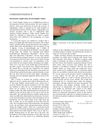 May 2002 in “British Journal of Dermatology”
 A pregnant woman's skin condition improved after giving birth, possibly due to high estrogen levels during pregnancy.
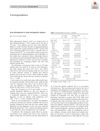 2 citations
,
November 2018 in “Clinical and Experimental Dermatology”
2 citations
,
November 2018 in “Clinical and Experimental Dermatology” Acne is more common in men with male pattern baldness due to increased hormone levels.
25 citations
,
June 2022 in “Clinical and Experimental Dermatology” Menopause significantly affects skin health and conditions.
10 citations
,
January 1967 in “PubMed” Oral contraceptives often cause melasma and other skin issues.

Menopause-related skin changes may increase fungal infections and inflammation.