5 citations
,
March 1993 in “The Journal of Cell Biology” A soluble factor in developing mouse whisker pads boosts nerve growth factor mRNA production.
5 citations
,
July 1999 in “Journal of Anatomy” Methylene blue staining effectively highlights detailed nerve structures in rat fur.
 November 2022 in “The journal of investigative dermatology/Journal of investigative dermatology”
 The STRIPAK complex is crucial for skin cell organization and creating a functional skin barrier.
13 citations
,
December 2009 in “Journal of the Peripheral Nervous System” TRPA1 and TRPV1 channels don't affect mechanotransduction in rat sinus hair follicles.
 April 2016 in “The journal of investigative dermatology/Journal of investigative dermatology”
 The back of the scalp has more nerve fibers than the front, which may explain why some people feel more sensitivity there.
 13 citations
,
May 2016 in “International journal of biological macromolecules”
13 citations
,
May 2016 in “International journal of biological macromolecules” Keratin's mechanical properties are influenced by hydrogen bonds and secondary structure, and can be improved with the SPD-2 peptide.
August 2024 in “Postgraduate Medical Journal” A rare skin reaction from cancer treatment was successfully managed with topical treatments and antihistamines.
12 citations
,
September 2013 in “BMC Biophysics” Keratin filaments' elasticity is influenced by their terminal domains and surrounding medium.
19 citations
,
February 2016 in “Journal of Biological Chemistry” KCNQ potassium channels help control the sensitivity of touch receptors in the skin.
 6 citations
,
September 2023 in “Experimental physiology”
6 citations
,
September 2023 in “Experimental physiology” A special receptor in sensory nerve endings helps control how they respond to stretching.
 August 2024 in “Journal of Clinical Medicine”
 Pruritus is common in LPP and FFA, worsened by heat and stress, and relieved by cold, affecting quality of life.
77 citations
,
September 2017 in “Journal of Investigative Dermatology” TRPV3 in skin cells causes inflammation and cell death.
70 citations
,
February 2016 in “EMBO reports” Scientists found a specific group of itch-sensing nerve cells in mice important for feeling itch but not for sensing heat or touch.
109 citations
,
November 2011 in “Nature Neuroscience” 1 citations
,
May 2003 in “The journal of investigative dermatology/Journal of investigative dermatology” A hormone affects hair growth, certain molecules may prevent skin damage, a skin disease is linked to immune cells, glycerol helps skin hydration, and psoriasis treatment trials need improvement.
109 citations
,
April 1997 in “Archives of Dermatological Research” Mast cell and nerve fiber interactions in mouse skin change with the hair cycle.
January 2000 in “Neuroscience Research” 42 citations
,
July 1993 in “Journal of Investigative Dermatology”  September 2007 in “Journal of Investigative Dermatology”
 ANp63 is crucial for skin integrity, new filaggrin gene mutations link to eczema, hair can regrow from non-stem cells, sunburns are increasing, and glucocorticoids help treat skin allergies by affecting immune cells.
 November 2021 in “International journal of research - granthaalayah”
 The document suggests that human hair has electrical charges because of a gap in nerve cell coverage that affects electromagnetic radiation.
1 citations
,
May 2022 in “European Journal of Dermatology” Longer treatment with vismodegib lowers relapse risk in basal cell carcinoma.
 13 citations
,
January 2012 in “International journal of trichology”
13 citations
,
January 2012 in “International journal of trichology” The study found that hair fragility in Pili annulati may be caused by cavities and damage within the hair shafts.
28 citations
,
June 1995 in “The Journal of Dermatology” The flaky skin mouse mutation is a natural model for studying human psoriasis.
28 citations
,
February 2010 in “Experimental Dermatology” The frizzy mouse and hairless rat mutations are due to changes in the Prss8 gene.
114 citations
,
January 2016 in “Current topics in developmental biology/Current Topics in Developmental Biology” Frizzled receptors are essential for various body development processes and maintaining certain body functions.
 5 citations
,
January 2021 in “IEEE Access”
5 citations
,
January 2021 in “IEEE Access” Electric pulses can effectively activate platelets and release growth factors, offering a better alternative to traditional methods.
12 citations
,
September 2020 in “JAMA Dermatology” PRP patients show varied symptoms and need more research to understand related conditions.
 January 2023 in “Skin appendage disorders”
 Two Hispanic women developed Plica neuropathica, a condition causing tangled hair, possibly due to hair damage and various risk factors.
 September 2025 in “International Journal of Environmental Sciences”
 Moullava spicata stem is a good natural antioxidant.
 December 2016 in “Springer eBooks”
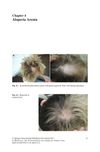
 A 45-year-old woman with autoimmune diseases experienced patchy hair loss due to alopecia areata, which has no cure but can be treated, with varying success.