 March 2021 in “bioRxiv (Cold Spring Harbor Laboratory)”
 Removing a specific gene in certain skin cells causes hair loss on the body by disrupting normal hair development.
 March 2021 in “Research Society and Development”
 A blue Staffordshire Bull Terrier had hair loss due to color dilution alopecia, confirmed by tests, but no treatment was pursued.
 January 2021 in “Revista Dermatológica Centro Uraga”
 Endocrinological evaluation is crucial for properly diagnosing and treating acne.

Plant roots respond to fungus smells by possibly using certain proteins and a plant hormone to change root growth, but more research is needed.

Guaraná extract effectively reduces oiliness in skin and hair without harming skin health.
 January 2020 in “Acta Scientiae Veterinariae”
 Hydrocolloid dressings significantly improved healing of a dog's third-degree burn.
January 2020 in “Proyecto de investigación:” Longer anogenital distance may indicate a higher chance of having polycystic ovary syndrome, and measuring this distance along with hormone levels could improve diagnosis.
 January 2020 in “Research Portal Denmark”
 A short male anogenital distance may indicate incomplete masculinization due to disrupted androgen action.
 January 2020 in “Asian Journal of Basic Science & Research”
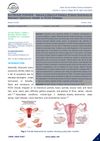
 Nutrease powder, a high-protein, low-carb supplement, can help manage Polycystic Ovary Syndrome symptoms, regulate periods, improve ovulation, and restore fertility.
 January 2019 in “ARC journal of pharmaceutical sciences”
 Acne can be managed with various treatments and requires psychological support due to its emotional impact.
 January 2019 in “Revista Medicina Cutánea Ibero-Latino-Americana”
 Vitamin D is important for skin health and can help improve various skin conditions.
 October 2018 in “Current Opinion in Genetics & Development”
 The document emphasizes the importance of ongoing research and ethical considerations in genome editing and cellular reprogramming.
 September 2018 in “International journal of biosciences”
 Gingivitis may increase a hormone linked to ovarian function in women with a certain ovary condition, and treating gum disease could help manage it.
 May 2018 in “Cell stem cell”
 Myoepithelial cells can repair airways after severe injury.
 January 2018 in “bioRxiv (Cold Spring Harbor Laboratory)”
 Researchers found key regions in the mouse hairless gene that control its activity in skin and brain cells, affecting hair follicle function.

Early NAS level changes affect alcohol consumption vulnerability.
 January 2018 in “Stem cell biology and regenerative medicine”
 The nucleus is key in controlling skin growth and repair by coordinating signals, gene regulators, and epigenetic changes.
 November 2017 in “Elsevier eBooks”
 PCOS is a genetic disorder affecting women's reproductive health, with treatments focused on symptoms like insulin resistance and fertility.
 October 2017 in “The Indian Journal of Animal Sciences”
 The prolactin gene polymorphism doesn't affect cashmere quality in these goats.

Eclipta alba can be used in products to treat hair loss.
 May 2017 in “bioRxiv (Cold Spring Harbor Laboratory)”
 The peach gene pCTG134 helps control the interaction between auxin and ethylene hormones during fruit ripening.

Finasteride reduces prostate size and PSA levels in young patients.
 November 2016 in “Elsevier eBooks”
 Genetic mutations can affect female sexual development, requiring personalized medical care.

Skin stem cells are crucial for maintaining and repairing skin, with potential for treating skin disorders and improving wound healing.
 September 2016 in “Springer eBooks”
 Fat-derived stem cells may help treat skin aging and hair loss.
 August 2016 in “PolyPublie (École Polytechnique de Montréal)”
 Doxorubicin causes heart damage, so early detection and monitoring are important during chemotherapy.
 January 2016 in “Surgical and Cosmetic Dermatology”
 Platelet-rich plasma treatment improved hair growth in men with male pattern baldness.
 January 2016 in “Research Explorer (The University of Manchester)”
 Activating the Eda/Edar pathway improves wound healing by enhancing hair follicle growth.
 December 2015 in “Revista Chilena de Dermatología”
 El Síndrome de Ovario Poliquístico causa problemas de piel como acné y es importante reconocerlo temprano para tratarlo.
 April 2015 in “Andrology”
 HNG may help prevent the negative effects of chemotherapy on sperm production and white blood cell counts.