 104 citations
,
May 2003 in “Endocrinology”
104 citations
,
May 2003 in “Endocrinology” Lampreys have a functional vitamin D receptor that may help detoxify harmful substances.
41 citations
,
April 2009 in “Journal of comparative neurology” P2X3-IR fibers are widespread in rat skin and likely help detect pain.
PRP therapy shows promise in skin treatment but needs more research for consistent results.
14 citations
,
March 2019 in “European journal of pharmaceutics and biopharmaceutics” Proretinal nanoparticles improve skin absorption and reduce irritation of topical retinoids.
 24 citations
,
November 2019 in “Experimental Dermatology”
24 citations
,
November 2019 in “Experimental Dermatology” PPAR-γ is important for healthy hair and its problems, and more research on PPAR-γ treatments is needed.
June 2003 in “Faculty Opinions – Post-Publication Peer Review of the Biomedical Literature” GLABRA2 represses root hair formation by inhibiting a specific gene.

PTHrP is important for bone formation and may be targeted for osteoporosis treatment and longevity therapies.
September 2017 in “Journal of Investigative Dermatology” LRIG1 protein affects hair growth by regulating skin receptors, leading to hair loss when overexpressed.
 4 citations
,
June 2017 in “Anais Brasileiros De Dermatologia”
4 citations
,
June 2017 in “Anais Brasileiros De Dermatologia” Aryl hydrocarbon receptor overexpression found in miniaturized hair follicles in female hair loss.
20 citations
,
January 2015 in “Biochimica and biophysica acta. Molecular and cell biology of lipids” Lysophosphatidic acid affects sensory neurons and may cause neuropathic pain and itch.
 March 2010 in “Ejc Supplements”
 ROR-alpha may increase the growth of certain breast cancer cells by boosting aromatase, which could affect breast cancer prognosis.
 100 citations
,
May 2003 in “Journal of Neuroscience”
100 citations
,
May 2003 in “Journal of Neuroscience” Neuroactive steroids affect cocaine's rewarding effects through the ς1 receptor.
10 citations
,
August 1998 in “Journal of Investigative Dermatology” November 2025 in “International Journal of Molecular Sciences” PRP shows promise in healing and regeneration but needs standardized protocols for consistent results.
 April 2017 in “Journal of Investigative Dermatology”
 PRC1 influences skin stem cell development by both turning genes on and off, affecting hair growth and skin cell types.
 14 citations
,
January 1990 in “Fertility and Sterility”
14 citations
,
January 1990 in “Fertility and Sterility” Some patients with high prolactin levels don't show symptoms because they have a form of the hormone that's less active.
180 citations
,
June 2004 in “Journal of Pharmacology and Experimental Therapeutics” Progesterone's seizure-reducing effects are mainly due to allopregnanolone, not progesterone receptors.
September 2025 in “Global Journal of Pharmacy & Pharmaceutical Sciences” PDRN from salmon sperm DNA can improve skin health and appearance.
 60 citations
,
May 2015 in “Archives of dermatological research”
60 citations
,
May 2015 in “Archives of dermatological research” PPAR agonists show promise for skin conditions but need more research before being a main treatment.
 25 citations
,
January 2017 in “Steroids”
25 citations
,
January 2017 in “Steroids” Allopregnanolone increases growth and changes gene activity in human brain cancer cells.
1 citations
,
January 2018 Sphingosine 1-phosphate and its receptor S1PR3 are key in controlling mechanical pain.
7 citations
,
January 2025 in “Journal of Experimental & Clinical Cancer Research” PRMT5 inhibitors effectively fight adenoid cystic carcinoma in salivary glands.
 April 2026 in “Frontiers in Cell and Developmental Biology”
 GPCRs are vital for wound healing by affecting cell growth and immune response.
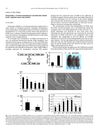 7 citations
,
December 2008 in “Journal of Dermatological Science”
7 citations
,
December 2008 in “Journal of Dermatological Science” Progranulin overexpression leads to shorter, thinner hair and increased cell death in mouse hair follicles.
October 2014 in “Archivio Istituzionale della Ricerca (Universita Degli Studi Di Milano)” A new type of nerve cell involved in itch perception was discovered.

RNase L hinders hair follicle regeneration by altering immune signals.
1 citations
,
February 2022 in “Brain Research Bulletin” Finasteride may help reduce impulsivity caused by pramipexole.
 4 citations
,
July 2021 in “bioRxiv (Cold Spring Harbor Laboratory)”
4 citations
,
July 2021 in “bioRxiv (Cold Spring Harbor Laboratory)” BLMP-1 is important for regular molting and gene expression cycles in worms.
 5 citations
,
June 2024 in “Developmental Cell”
5 citations
,
June 2024 in “Developmental Cell” Activating TRPV1 can boost hair growth by involving neurons, macrophages, and fibroblasts.