 30 citations
,
July 2004 in “Fertility and Sterility”
30 citations
,
July 2004 in “Fertility and Sterility” Amenorrhea is when a woman doesn't have periods, with primary amenorrhea starting by age 15 or within five years of breast development, and secondary amenorrhea when periods stop for three months. It affects 3-4% of women not pregnant, breastfeeding, or in menopause, mainly due to polycystic ovary syndrome, hypothalamic amenorrhea, hyperprolactinemia, and ovarian failure.
 28 citations
,
March 2017 in “Scientific Reports”
28 citations
,
March 2017 in “Scientific Reports” Minoxidil may protect nerves and improve hair quality during paclitaxel treatment.
 25 citations
,
August 2017 in “Lasers in Medical Science”
25 citations
,
August 2017 in “Lasers in Medical Science” Fractional lasers seem effective and safe for treating hair loss, but more research is needed to find the best treatment methods.
 24 citations
,
December 2009 in “Future Medicinal Chemistry”
24 citations
,
December 2009 in “Future Medicinal Chemistry” Using computers to analyze drugs can find new uses for them, but actual experiments are needed to confirm these uses.
 21 citations
,
September 2004 in “Fertility and Sterility”
21 citations
,
September 2004 in “Fertility and Sterility” Amenorrhea, or the absence of periods, should be evaluated by age 15 or within five years of early breast development, and is most commonly caused by conditions like polycystic ovary syndrome and hypothalamic amenorrhea.
 20 citations
,
March 2005 in “Current Medicinal Chemistry”
20 citations
,
March 2005 in “Current Medicinal Chemistry” New compounds show promise for treating hair loss, enlarged prostate, and prostate cancer, with some being more effective and having different side effects than current treatments.
 20 citations
,
August 1987 in “Journal of steroid biochemistry/Journal of Steroid Biochemistry”
20 citations
,
August 1987 in “Journal of steroid biochemistry/Journal of Steroid Biochemistry” Aldactone was more effective in reducing hair growth in women with hirsutism than Diane, despite having less impact on hormone levels.
 17 citations
,
November 1997 in “Andrology”
17 citations
,
November 1997 in “Andrology” Finasteride effectively treats enlarged prostate and male baldness, improves symptoms of hirsutism in women, but doesn't work for acne, and may delay prostate cancer progression with few side effects.
 17 citations
,
January 1986 in “Acta obstetricia et gynecologica Scandinavica”
17 citations
,
January 1986 in “Acta obstetricia et gynecologica Scandinavica” Spironolactone can reduce hair growth and testosterone in hirsutism, but is less effective than combined treatments.
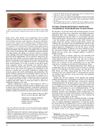 16 citations
,
August 2011 in “Annals of Allergy Asthma & Immunology”
16 citations
,
August 2011 in “Annals of Allergy Asthma & Immunology” A woman with severe angioedema improved significantly after treatment with rituximab.
 11 citations
,
January 2020 in “Skin appendage disorders”
11 citations
,
January 2020 in “Skin appendage disorders” Low-level laser therapy safely and effectively improves hair growth and coverage for male and female pattern hair loss.
 11 citations
,
November 2001 in “Journal of Chromatography B: Biomedical Sciences and Applications”
11 citations
,
November 2001 in “Journal of Chromatography B: Biomedical Sciences and Applications” Finasteride and analogues separated using LC-MS-MS technique.
 10 citations
,
November 2019 in “Journal of Dermatological Treatment”
10 citations
,
November 2019 in “Journal of Dermatological Treatment” Photobiomodulation helps hair growth safely in men and women, with laser devices working better than LED ones.
 9 citations
,
September 2010 in “Dermatologic Therapy”
9 citations
,
September 2010 in “Dermatologic Therapy” Finasteride for hair loss is safe and does not increase the risk of high-grade prostate cancer.
 8 citations
,
February 2016 in “The American Journal of Dermatopathology”
8 citations
,
February 2016 in “The American Journal of Dermatopathology” Hair transplants can make hair follicles larger and hair shafts thicker.
 7 citations
,
December 2019 in “American Journal of Clinical Dermatology”
7 citations
,
December 2019 in “American Journal of Clinical Dermatology” Topical therapies show promise for hair loss and acne treatment with minimal side effects.
 4 citations
,
May 2019 in “Skin Research and Technology”
4 citations
,
May 2019 in “Skin Research and Technology” Finasteride helps hair growth but stopping it causes faster hair loss.
 4 citations
,
August 2018 in “Facial Plastic Surgery Clinics of North America”
4 citations
,
August 2018 in “Facial Plastic Surgery Clinics of North America” Platelet-Rich Plasma (PRP), a protein-rich extract from a patient's blood, shows promise in improving hair density, thickness, and quality, but the best method of use and number of treatments needed for noticeable results are still unclear.
 4 citations
,
January 2012 in “Chemical Immunology”
4 citations
,
January 2012 in “Chemical Immunology” Some drugs, especially biologics, can cause skin reactions that look like other skin diseases, and stopping the drug usually helps clear up these reactions.
 2 citations
,
May 2023 in “Al Mustansiriyah Journal of Pharmaceutical Sciences”
2 citations
,
May 2023 in “Al Mustansiriyah Journal of Pharmaceutical Sciences” Pterostilbene significantly reduces prostate enlargement and has strong antioxidant effects.
 2 citations
,
July 2013 in “ISRN Urology (Print)”
2 citations
,
July 2013 in “ISRN Urology (Print)” Finasteride may reduce bleeding after TURP, but more research needed.
 1 citations
,
January 2013 in “Elsevier eBooks”
1 citations
,
January 2013 in “Elsevier eBooks” The document reviews various hair and nail disorders, their causes, and treatments, emphasizing the need for proper diagnosis and the link between nail changes and systemic diseases.

Men with androgenetic alopecia may have higher triglycerides, suggesting a link to lipid metabolism.
 October 2023 in “The Journal of clinical endocrinology and metabolism/Journal of clinical endocrinology & metabolism”
 Hyperandrogenism increases heart disease risk in premenopausal women, but this risk is linked to obesity in postmenopausal women.
 January 2021 in “Revista Dermatológica Centro Uraga”
 Endocrinological evaluation is crucial for properly diagnosing and treating acne.
 December 2016 in “Springer eBooks”
 Chrousos Syndrome is caused by mutations that make the body less sensitive to glucocorticoids, leading to various symptoms and requiring high-dose treatment.
 August 2009 in “Australian Prescriber”
 Dutasteride is approved to help manage prostate enlargement.
 August 2009 in “Australian Prescriber”
 Eculizumab helps reduce blood transfusions and stabilize hemoglobin but increases infection risk and is expensive.
 April 1998 in “Journal of women's health”
 Hair loss in women is often due to hereditary conditions or stress, and while treatments like minoxidil can help, diagnosis and management require medical guidance.
 January 1989 in “Side effects of drugs annual”
 Some cancer and immune system drugs can cause serious side effects, including heart, lung, nerve, and organ damage, which need careful monitoring and management.