 7 citations
,
June 2010 in “Journal of The American Academy of Dermatology”
7 citations
,
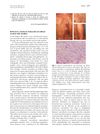
June 2010 in “Journal of The American Academy of Dermatology” Tranilast successfully treated a man's skin sarcoidosis when other treatments failed.
 July 2022 in “The journal of investigative dermatology/Journal of investigative dermatology”
 A patient with a PLEC mutation has epidermolysis bullosa, muscular dystrophy, and myasthenia gravis, which improved with steroid treatment.
4 citations
,
January 1994 in “Current Opinion in Endocrinology & Diabetes” PTHrP regulates various normal body functions, including bone development, skin, and muscle function.
January 2022 in “Mammalian Genome” The wavy coat in NCT mice is caused by multiple genes, including a mutation in the Prss53 gene.
8 citations
,
August 2022 in “Pharmaceutics” Erythrocyte-anchored nanoparticles improved Cepharanthine delivery and effectiveness for treating acute lung injury.
August 2004 in “Veterinary Dermatology” Cats with internal diseases can develop skin issues that may require specific treatments.
 5 citations
,
January 2018
5 citations
,
January 2018 The conclusion is that a new test was created to find substances that affect specific ion channels, and it works well for drug discovery.
223 citations
,
January 2000 in “BioFactors” Food-derived peptides may help prevent diseases like high blood pressure and high cholesterol, and can support the immune system.
 5 citations
,
April 2023 in “BMC Microbiology”
5 citations
,
April 2023 in “BMC Microbiology” Shampoo with heat-killed Lacticaseibacillus paracasei GMNL-653 improves scalp health and hair growth by changing scalp bacteria.
26 citations
,
March 2006 in “Endocrine, metabolic & immune disorders. Drug targets” This enzyme helps metabolize fatty acids and isoleucine, and could be key in treating neurological diseases and certain cancers.
 May 2024 in “Brain disorders”
 Agmatine may help reduce seizures linked to hormone changes in female rats.
 5 citations
,
June 2015 in “British Journal of Dermatology”
5 citations
,
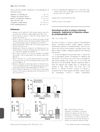
June 2015 in “British Journal of Dermatology” A certain medication improved severe itching in a boy with liver and bowel disease by reducing histamine levels, suggesting a new treatment target.
14 citations
,
February 1991 in “FEBS Letters” Introducing the rat OTC gene partially corrected OTC deficiency in mice.
4 citations
,
January 2023 in “Marine Drugs” Marine compounds from gorgonians and soft corals show promise for drug development, especially for chronic disorders.
135 citations
,
October 1999 in “Journal of Cell Science” Overexpressing PKCα in mice skin increases inflammation but doesn't affect tumor growth.
65 citations
,
September 2014 in “BMC genomics” Different hair types in mammals are linked to variations in specific protein genes, with changes influenced by their living environments.
 9 citations
,
January 2023 in “International Journal of Biological Sciences”
9 citations
,
January 2023 in “International Journal of Biological Sciences” CTHRC1 is essential for healing and preventing heart rupture after a heart attack.
 April 2023 in “Jurnal Sain Veteriner”
 A young Persian cat had a skin infection and low platelets, treated with various medications.
 41 citations
,
August 2015 in “The FASEB Journal”
41 citations
,
August 2015 in “The FASEB Journal” Blocking the Wnt/β‐catenin pathway can speed up wound healing, reduce scarring, and improve cartilage repair.
June 2026 in “Strathprints: The University of Strathclyde institutional repository (University of Strathclyde)” Topical IKKα inhibitors may help prevent CCS tumours.
175 citations
,
September 1998 in “British Journal of Dermatology” Keratin 17 gene mutations cause both steatocystoma multiplex and pachyonychia congenita type 2.
62 citations
,
December 2007 in “Journal of biological chemistry/The Journal of biological chemistry” A specific chemical change in the S100A3 protein leads to the formation of a four-part structure important for hair formation.
8 citations
,
June 1981 in “Clinica Chimica Acta”  37 citations
,
June 2017 in “Journal of Investigative Dermatology”
37 citations
,
June 2017 in “Journal of Investigative Dermatology” Blocking a protein called CXXC5 with a specific peptide can stimulate hair regrowth and new hair growth in wounds.
 38 citations
,
January 2016 in “Cell Death and Disease”
38 citations
,
January 2016 in “Cell Death and Disease” The TCL1 transgenic mouse model is useful for understanding human B-cell leukemia and testing new treatments.
 1 citations
,
April 2016 in “Journal of Investigative Dermatology”
1 citations
,
April 2016 in “Journal of Investigative Dermatology” NLRP1 helps melanoma tumors grow by boosting inflammasome activation and reducing caspase-3 activity.
27 citations
,
December 2005 in “Journal of Cutaneous Pathology” The malignant pilomatricoma showed strong epithelial keratin expression, suggesting it may not calcify.
8 citations
,
November 1976 in “Journal of Investigative Dermatology” 1 citations
,
August 2020 Croton membranaceus root extract can change how drugs are processed in the body.
3 citations
,
January 2021 in “Veterinary dermatology” A litter of cats had a hair condition similar to a mouse mutation, leading to hair loss and abnormal hair and skin.