151 citations
,
December 2004 in “Neuropharmacology” Progesterone reduces anxiety without needing progesterone receptors.
2 citations
,
January 2012 in “Charles Sturt University Research Output (CRO)” Pregnancy increases hair growth in dairy cattle.
 April 2023 in “The journal of investigative dermatology/Journal of investigative dermatology”
 Estetrol may help prevent hair loss and promote hair growth in women.
26 citations
,
November 2013 in “Neuroscience” Progesterone can reduce seizures without relying on the GABAA receptor pathway.
 20 citations
,
January 2003 in “Chemical and Pharmaceutical Bulletin”
20 citations
,
January 2003 in “Chemical and Pharmaceutical Bulletin” The new progesterone derivatives effectively inhibit 5α-reductase and bind to the androgen receptor.
 47 citations
,
May 1999 in “Reproduction”
47 citations
,
May 1999 in “Reproduction” Goat reproductive activity and coat growth are affected by light and temperature, with temperature altering prolactin levels and hair growth, but not melatonin or estrus onset.
 6 citations
,
April 2004 in “Journal of Enzyme Inhibition and Medicinal Chemistry”
6 citations
,
April 2004 in “Journal of Enzyme Inhibition and Medicinal Chemistry” New progesterone-based compounds can block male hormones.
October 1995 in “Pediatric Research” 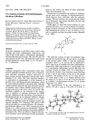 December 1998 in “Acta Crystallographica Section C-crystal Structure Communications”
 A new compound with strong antiandrogenic effects was found, potentially useful for treating conditions like acne and prostate cancer.
 October 2023 in “Journal of the Endocrine Society”
 Estetrol helps keep scalp hair in the growth phase longer and improves hair follicle health by affecting the hair root and increasing stem cells.
June 2014 in “Belarusian State Pedagogical University repository (Belarusian State Pedagogical University)” Progesterone and its metabolites can prevent seizures without major side effects.
January 2008 in “农业科学与技术(英文版)” Higher estradiol levels slow cashmere goat hair growth.
1 citations
,
September 2024 in “Journal of Clinical & Translational Endocrinology” PCOS women have more severe metabolic issues and higher androgen levels than hyperandrogenic women without PCOS.
3 citations
,
February 2015 in “Mechanisms of development” Hormones and stretching both needed for nipple area skin growth in mice.
 2 citations
,
October 1999 in “Annals of the New York Academy of Sciences”
2 citations
,
October 1999 in “Annals of the New York Academy of Sciences” Melatonin and cortisol affect mink winter hair growth, but β-endorphin levels do not.
21 citations
,
February 2003 in “Hormones and Behavior” Androgens boost certain nest-building behaviors and greatly reduce food intake in rabbits.
180 citations
,
June 2004 in “Journal of Pharmacology and Experimental Therapeutics” Progesterone's seizure-reducing effects are mainly due to allopregnanolone, not progesterone receptors.
12 citations
,
September 1999 in “The journal of experimental zoology/Journal of experimental zoology” Prolactin levels do not control the start of winter fur growth in mink.
44 citations
,
January 2023 in “New Phytologist” FER and TOR signaling help root hair growth in low temperature and low nitrate conditions.
2 citations
,
April 2024 in “Molecular Plant” Auxin promotes root hair growth through oxidative processes involving reactive oxygen species.
 77 citations
,
April 2004 in “Gene expression patterns”
77 citations
,
April 2004 in “Gene expression patterns” The three estrogen receptor genes are highly expressed in zebrafish neuromasts during development.
20 citations
,
January 1995 in “Cells tissues organs” Changing light periods synchronized wool growth cycles in sheep.
9 citations
,
August 2021 in “Biomedicines” 17β-estradiol boosts APE1/Ref-1 secretion in cells and mice via a calcium-dependent pathway.
5alpha-DHP may be a safe, effective treatment for certain seizures without causing sedation.
32 citations
,
September 2010 in “Stress” Neurosteroids help protect fetal brains from asphyxia damage.
9 citations
,
March 2023 in “GeroScience” 
Hair and nails can show hormone changes during puberty in dogs.
29 citations
,
October 2009 in “Pharmacology Biochemistry and Behavior” 60 citations
,
June 2007 in “Pharmacology Biochemistry and Behavior” Blocking progesterone metabolism can cause depression-like behavior in mice.
10 citations
,
July 2015 in “Veterinary Dermatology” Estradiol gel can cause hair loss in dogs.