 2 citations
,
January 1997 in “Leprosy Review”
2 citations
,
January 1997 in “Leprosy Review” A neglected leprosy treatment led to rare scalp hair loss in an Indian woman, which improved with proper medication.
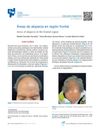 January 2025 in “Revista del Centro Dermatológico Pascua”
 Early diagnosis and treatment can help manage fibrosing alopecia in older women.
 January 2024 in “Brazilian Journal of Hair Health”
 Androgens might not be the only major factor in hair loss; other elements could also be important.
 July 2023 in “International journal of dermatology, venereology and leprosy sciences”
 New treatments are being explored to slow or reverse hereditary hair loss.
June 2023 in “Journal of dermatology for physician assistants” Lichen planopilaris should be considered when diagnosing hair loss in people with darker skin as it may be often missed.
 May 2023 in “Clinical and Experimental Dermatology”
 Alopecia areata has a high chance of persisting and relapsing, with a significant risk of total hair loss, especially if it starts in childhood.
 December 2022 in “Biological and Clinical Sciences Research Journal”
 Early treatment of mixed connective tissue disease is crucial to prevent severe autoimmune conditions.
July 2018 in “Elsevier eBooks” Early treatment is key to prevent permanent hair loss from scalp conditions that cause scarring.
 July 2018 in “Elsevier eBooks”
 Frontal Fibrosing Alopecia is a type of hair loss affecting mostly older women, with no agreed best treatment.
 July 2018 in “Elsevier eBooks”
 Acne keloidalis nuchae is a chronic skin condition more common in African men, causing itchy or painful bumps and can lead to permanent hair loss if not treated early.
April 2016 in “Journal of the American Academy of Dermatology” Treatment improved some symptoms but not all.
 May 2015 in “Journal of the American Academy of Dermatology”
 Certain drugs and supplements may contribute to hair loss in the frontal hairline in older women.
 April 2012 in “Informa Healthcare eBooks”
 Lichen planopilaris is a rare, chronic condition causing hair loss, mainly in middle-aged women, and early treatment is important to prevent permanent baldness.
 June 2011 in “Journal of clinical and experimental investigations”
 Oral zinc sulphate is an effective and safe treatment for thallium poisoning.

Topical minoxidil helps treat hair loss in teens, but more research needed for safe options.
 May 2015 in “Hair transplant forum international”
 Androgenetic alopecia causes hair loss by shrinking hair follicles due to androgens, with the connection between the muscle and hair follicle determining if the loss is reversible.
 54 citations
,
January 1983 in “Archives of Dermatology”
54 citations
,
January 1983 in “Archives of Dermatology” KFSD is a rare condition causing scarring hair loss, with no effective treatment known at the time of the report.
20 citations
,
June 2003 in “Neurology” Tacrolimus and corticosteroids can improve symptoms of Satoyoshi syndrome.
11 citations
,
October 2007 in “International Journal of Dermatology” Alopecia in Burkina Faso mostly affects young people, often students, with common causes being tinea and alopecia areata.
4 citations
,
January 2009 in “Veterinary Dermatology” Cats exposed to diesel oil can lose hair but recover fully without treatment.
February 2026 in “Journal of Chittagong Medical College Teachers Association” A 17-year-old girl with Kartagener's syndrome also has unusual skin, hair, and nail issues.
January 2026 in “Brazilian Journal of Development” Early diagnosis and surgery can improve symptoms of ovarian hyperthecosis in postmenopausal women.
 November 2025 in “The Journal of Medical Sciences”
 Intralesional triamcinolone is more effective than cryotherapy for treating alopecia areata in middle-aged adults.
June 2025 in “Revista Foco” JAK inhibitors effectively treat severe alopecia areata with manageable side effects.

Improved nutrition quickly healed the patient's skin lesions.
 July 2023 in “Photobiomodulation, photomedicine, and laser surgery”
 Photobiomodulation increased hair count in men with hair loss after 5 weeks, with no further increase after 10 weeks.
Early diagnosis and treatment of frontal fibrosing alopecia are crucial to prevent permanent hair loss.
December 2016 in “Anales del sistema sanitario de Navarra” Frontal fibrosing alopecia is increasing, especially in postmenopausal women, and treatment with finasteride can improve it.
 January 2015 in “VetPharma”
 Alopecia X causes hair loss in young plush-coated dogs and can be treated with various therapies, but hair may regrow and then fall out again.

A young woman with kidney failure had hair loss due to a common hormonal disorder, which improved with hormone therapy.