January 2022 in “Mammalian Genome” The wavy coat in NCT mice is caused by multiple genes, including a mutation in the Prss53 gene.
9 citations
,
March 2019 in “Molecular & cellular proteomics” Reductive stress messes up collagen balance and alters cell signaling in human skin cells, which could help treat certain skin diseases.
 105 citations
,
February 1996 in “Journal of biological chemistry/The Journal of biological chemistry”
105 citations
,
February 1996 in “Journal of biological chemistry/The Journal of biological chemistry” The TGM3 gene's promoter region is key for skin and hair cell function and may aid gene therapy.
 8 citations
,
January 2016 in “Annals of Dermatology”
8 citations
,
January 2016 in “Annals of Dermatology” A complex of 5-aminolevulinic acid and glycyl-histidyl-lysine peptide may help increase hair count in male pattern hair loss without side effects.
January 2005 in “Life sciences” Targeting LPA could help treat skin disorders.
8 citations
,
March 2019 in “Journal of Biomedical Materials Research Part A” Sulfated hyaluronan in collagen helps hair follicle cells grow and develop better for skin grafts.
January 1995 in “Journal of the Society of Cosmetic Chemists” Transglutaminase does not modify human hair.
17 citations
,
January 2016 in “Journal of Drug Delivery” PEG and keratin scaffolds can effectively deliver protein drugs by controlling release based on pH levels.
 April 2016 in “Journal of Investigative Dermatology”
 Double-stranded RNA activates a pathway that causes a skin protein to be expressed in the wrong place.
8 citations
,
January 2017 in “Journal of Biological Chemistry” Astrotactin-2 is cleaved in a specific way that helps understand its maturation.
4 citations
,
June 1990 in “PubMed” Hair protein differences help identify species and individuals in forensic science.
 77 citations
,
December 2010 in “The journal of investigative dermatology/Journal of investigative dermatology”
77 citations
,
December 2010 in “The journal of investigative dermatology/Journal of investigative dermatology” Human skin cells produce proenkephalin, which changes with environmental factors and skin diseases.
 January 2024 in “International Journal of Cosmetic Science”
 A new method using 1,4-n-butylene dimaleate effectively repairs and strengthens damaged hair.
 1 citations
,
December 2022 in “Journal of applied biological chemistry”
1 citations
,
December 2022 in “Journal of applied biological chemistry” TRP-hair essence protects hair from heat damage, maintains color, and strengthens hair.
January 2026 in “Molecular Nutrition & Food Research” Gynostemma pentaphyllum and Damulin B help prevent skin aging from UVB by reducing oxidative stress and improving skin health.
 5 citations
,
January 2021 in “BioMed Research International”
5 citations
,
January 2021 in “BioMed Research International” Noncrosslinked hyaluronic acid helps human hair cells grow and could be a potential hair loss treatment.
26 citations
,
January 1983 in “PubMed” Trichothiodystrophy involves brittle hair due to low sulfur amino acids, not a transport defect.
March 2026 in “Journal of the mechanical behavior of biomedical materials/Journal of mechanical behavior of biomedical materials” Hair cuticles remain stable and resilient under stress due to strong protein content and crosslinking.
52 citations
,
May 2011 in “Journal of Neuroendocrinology” PEA boosts allopregnanolone production and reduces oxidative stress in brain cells.
36 citations
,
July 1988 in “Archives of Dermatological Research” Pili annulati is caused by a protein metabolism disorder affecting hair structure.
3 citations
,
October 2025 in “Cancer” PROTACs offer a new, precise way to treat cancer by breaking down harmful proteins.
21 citations
,
June 2009 in “Mammalian genome” A new mutation in the Hr gene causes hair loss in mice, similar to a human hair disorder.
July 2025 in “Clinical Case Reports” A new genetic mutation in the TRPS1 gene causes Trichorhinophalangeal Syndrome, leading to specific hair, dental, and bone issues.
57 citations
,
July 1983 in “Journal of Investigative Dermatology”  November 2023 in “The journal of investigative dermatology/Journal of investigative dermatology”
 Skin cells and certain hair follicle areas produce hemoglobin, which may help protect against oxidative stress like UV damage.
 4 citations
,
December 2010 in “Copernican Letters”
4 citations
,
December 2010 in “Copernican Letters” Synthetic polypeptides in cosmetics may help with anti-aging, but their effectiveness on real skin is uncertain.
3 citations
,
July 2023 in “Acta Biomaterialia” PepACS offers a safer, eco-friendly way to perm, dye, and repair hair.
 December 1998 in “Acta Crystallographica Section C-crystal Structure Communications”
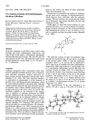
 A new compound with strong antiandrogenic effects was found, potentially useful for treating conditions like acne and prostate cancer.
1 citations
,
January 2025 in “International Journal of Cosmetic Science” Age-related hair curvature increases due to internal structural changes from grooming.
11 citations
,
August 1995 in “Journal of Investigative Dermatology”