 73 citations
,
June 2010 in “PLoS Genetics”
73 citations
,
June 2010 in “PLoS Genetics” A gene mutation in mice causes hair loss, weak bones, and protein buildup, showing how protein processing issues can lead to diseases.
 1 citations
,
February 2009 in “Journal of Investigative Dermatology”
1 citations
,
February 2009 in “Journal of Investigative Dermatology” Lipase H is important for hair follicle function and shaping hair fibers.
33 citations
,
December 1999 in “Journal of Investigative Dermatology Symposium Proceedings”  9 citations
,
March 2022 in “Terapevticheskii arkhiv”
9 citations
,
March 2022 in “Terapevticheskii arkhiv” Human placenta hydrolysates help treat various diseases and aid healing.
3 citations
,
September 2013 in “Journal of the American Academy of Dermatology” A new genetic mutation linked to Hutchinson-Gilford progeria syndrome was found in China.
January 2026 in “International Journal of Biological Macromolecules” Small KP peptide improves hair without reducing agents, while larger proteins need them for better results.
2 citations
,
June 2013 in “Journal of Clinical Pathology” The LMNA mutation affects skin structure even in asymptomatic carriers.
 January 2024 in “Authorea (Authorea)”
 Using laccase to add poly(tyrosine) to wool makes it less likely to shrink and stronger.
 2 citations
,
May 2017 in “International journal of pharmacy and pharmaceutical sciences/International Journal of Pharmacy and Pharmaceutical Sciences”
2 citations
,
May 2017 in “International journal of pharmacy and pharmaceutical sciences/International Journal of Pharmacy and Pharmaceutical Sciences” Hutchinson-Gilford Progeria Syndrome is a rare genetic disorder caused by a specific gene mutation, characterized by aging symptoms and managed by monitoring heart health and using low-dose aspirin.
September 2016 in “Toxicology letters” The 5050 MHA42MCS45 hydrogel blend is suitable for repairing load-bearing soft tissues.
7 citations
,
February 2011 in “Journal of dermatology” The 736T>A mutation in the LIPH gene is common in Japanese people with autosomal recessive woolly hair.
 17 citations
,
August 2018 in “BMC Genomics”
17 citations
,
August 2018 in “BMC Genomics” The HOXC13 gene affects different hair proteins in cashmere goats in varied ways and is controlled by a feedback loop and other factors.
 12 citations
,
January 2014 in “Cell structure and function”
12 citations
,
January 2014 in “Cell structure and function” Different combinations of human hair keratins affect how hair fibers form.
 19 citations
,
May 2006 in “Clinical and Experimental Dermatology”
19 citations
,
May 2006 in “Clinical and Experimental Dermatology” Researchers found a new mutation causing total hair loss from birth.
24 citations
,
October 2019 in “Genes” A new sheep gene, KRTAP36-1, may help breed sheep with better wool by reducing prickle factor.
27 citations
,
May 2011 in “Journal of Investigative Dermatology” TCHHL1 is a protein important for hair growth, found in hair follicles.
4 citations
,
January 1994 in “Current Opinion in Endocrinology & Diabetes” PTHrP regulates various normal body functions, including bone development, skin, and muscle function.
 4 citations
,
January 2011 in “Annals of Dermatology”
4 citations
,
January 2011 in “Annals of Dermatology” Researchers found a new mutation in the HR gene linked to a rare hair loss condition.
124 citations
,
November 2000 in “The journal of investigative dermatology/Journal of investigative dermatology” PAD3 plays a key role in hair and skin protein structure and may be linked to skin diseases.
 9 citations
,
July 2014 in “Experimental Dermatology”
9 citations
,
July 2014 in “Experimental Dermatology” PTHRP agonists can stimulate hair growth, especially in damaged follicles, while antagonists may initially increase growth but ultimately inhibit it.
238 citations
,
May 1989 in “Journal of Investigative Dermatology”  226 citations
,
January 2002 in “Biological and Pharmaceutical Bulletin”
226 citations
,
January 2002 in “Biological and Pharmaceutical Bulletin” A new method quickly extracts and identifies proteins from hair and other keratin sources.
30 citations
,
May 2020 in “Forensic Science International Genetics” The method improved hair analysis for better forensic identification.
March 2025 in “International Journal of Molecular Sciences” PLIN2 affects hair growth in cashmere goats, potentially improving cashmere quality.
 April 2017 in “Journal of Investigative Dermatology”
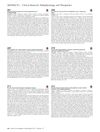
 HPH-15, a new compound, effectively reduces skin fibrosis in experiments without causing harm.
29 citations
,
July 2015 in “Journal of Medical Genetics” A genetic variant in the KRT25 gene causes tightly curled hair.
December 2000 in “日本組織細胞化学会総会プログラムおよび抄録集” GHK-Cu and propolis may help prevent scalp aging and hair loss.
The trichohyalin gene is located at chromosomal region 1q21 with other skin-related protein genes.
 140 citations
,
April 2004 in “The journal of investigative dermatology/Journal of investigative dermatology”
140 citations
,
April 2004 in “The journal of investigative dermatology/Journal of investigative dermatology” The enzyme 25 Hydroxyvitamin D 1 α-Hydroxylase is essential for healthy skin and recovery after skin damage.