 19 citations
,
June 2006 in “Physiology & Behavior”
19 citations
,
June 2006 in “Physiology & Behavior” Finasteride slows down motherly behavior in first-time pregnant rats.
1 citations
,
January 2013 in “UNICA IRIS Institutional Research Information System (University of Cagliari)” Hormonal contraceptives may reduce social behavior and sexual motivation by lowering allopregnanolone levels.
48 citations
,
February 1999 in “PubMed” Finasteride, a drug, can block the seizure-preventing effects of a hormone called progesterone in mice.
10 citations
,
February 2017 in “European journal of neuroscience/EJN. European journal of neuroscience” The availability of certain hormones and specific stimulation patterns affect long-term synaptic changes in the male rat brain.
18 citations
,
September 2021 in “Journal of Neuroendocrinology” Neurosteroids can influence behavior by modulating brain inhibition, with potential for treating psychiatric disorders.
8 citations
,
August 2015 in “Endocrine”  9 citations
,
August 2000 in “Journal of Periodontal Research”
9 citations
,
August 2000 in “Journal of Periodontal Research” Finasteride reduces testosterone conversion, progesterone lessens this, and levamisole enhances finasteride's effect.
September 2003 in “Faculty Opinions – Post-Publication Peer Review of the Biomedical Literature” GLABRA2 gene controls root-hair growth by regulating phospholipid signaling.
 December 1998 in “Acta Crystallographica Section C-crystal Structure Communications”
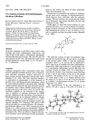
 A new compound with strong antiandrogenic effects was found, potentially useful for treating conditions like acne and prostate cancer.
December 2016 in “University of Birmingham Institutional Research Archive (University of Birmingham)” Glucocorticoids reduce fat production in liver cells, while androgens increase it in females; manipulating certain enzymes can influence these effects.
209 citations
,
March 1998 in “Biochemical and biophysical research communications” Scientists found new nonsteroidal compounds that can act like natural male hormones and might help treat male fertility and hormone issues.
 April 2018 in “Radiotherapy and Oncology”
 Mitochondria may influence how cells respond to radiation, affecting nearby non-irradiated cells.
 May 2026 in “Frontiers in Pharmacology”
 Dendrobium officinale polysaccharide helps hair regrowth in hair loss mice by affecting local steroid metabolism and hair follicle responses.
June 2003 in “Faculty Opinions – Post-Publication Peer Review of the Biomedical Literature” GLABRA2 represses root hair formation by inhibiting a specific gene.
 7 citations
,
June 2011 in “Movement Disorders”
7 citations
,
June 2011 in “Movement Disorders” A specific gene mutation is linked to a hereditary form of dystonia that responds well to certain medications.
54 citations
,
May 2015 in “Endocrinology” Manipulating 5α-reductase type 2 can affect liver fat production and glucocorticoid effects.
April 2025 in “Frontiers in Pharmacology” Canagliflozin helps overcome progestin resistance in certain endometrial cancer cells.
 7 citations
,
June 1989 in “Steroids”
7 citations
,
June 1989 in “Steroids” Researchers successfully made new compounds for hormone level tests, but one attempt led to an unexpected product, correcting a past error.
120 citations
,
May 2012 in “Experimental Cell Research” VEGF promotes hair follicle cell growth through the VEGFR-2/ERK pathway.
 18 citations
,
January 1990 in “Journal of The American Academy of Dermatology”
18 citations
,
January 1990 in “Journal of The American Academy of Dermatology” Lower doses of dexamethasone can safely reduce high DHEAS levels in women with androgenic disorders.
32 citations
,
October 2015 in “Frontiers in Cellular Neuroscience” DHT is needed for long-term depression, while E2 is needed for full long-term potentiation in male rat brains.
138 citations
,
April 2003 in “Carcinogenesis” 2-Methoxyestradiol causes cancer cell death by activating specific pathways, but androgens can block this effect.
 November 2022 in “The journal of investigative dermatology/Journal of investigative dermatology”
 Different types of PPARγ are found in varying amounts in human skin and its parts, which could affect how skin treatments work.
227 citations
,
January 1998 in “Journal of biological chemistry/The Journal of biological chemistry” Mutations at Val-889 and Arg-752 disrupt key interactions in the androgen receptor, affecting its function.
 January 2020 in “Journal of St. Marianna University”
 Human placenta extract may promote hair growth by affecting certain lipid compounds.
January 2009 in “Journal of Jilin Medical College” SDG helps reduce BPH effects in rats.
1 citations
,
November 1975 in “PubMed” GRF is not safe for tubal occlusion.
Androgen receptor overexpression can increase prostate cancer cell growth even without hormones.
 15 citations
,
January 2017 in “Experimental Neurology”
15 citations
,
January 2017 in “Experimental Neurology” Finasteride reduces movement issues in Parkinson's disease rats.
 91 citations
,
May 2005 in “The Journal of Clinical Endocrinology & Metabolism”
91 citations
,
May 2005 in “The Journal of Clinical Endocrinology & Metabolism” A new mutation in the human glucocorticoid receptor reduces its function and causes resistance to glucocorticoids.