February 2013 in “Americanae (AECID Library)” Finasteride may reduce prostate tumor cell invasion and spread.
 February 2013 in “Journal of The American Academy of Dermatology”
 Hair loss is a common but often unreported side effect of cancer treatments, especially for breast and prostate cancers.
 February 2013 in “Journal of The American Academy of Dermatology”
 Hair loss is a common side effect of hormone treatments for cancer.
 September 2012 in “African Journal of Urology”
 Testosterone replacement therapy improves libido, mood, muscle strength, and bone density in men with Testosterone Deficiency Syndrome.
April 2012 in “The Journal of Urology” Finasteride therapy reduces PSA levels and prostate size, helping diagnose prostate cancer.
January 2012 in “International Society of Hair Restoration Surgery” Finasteride is effective for hair loss but has controversial side effects.
 May 2011 in “Expert Review of Endocrinology & Metabolism”
 Breast cancer survivors may have a higher risk of falls, tamoxifen could prevent breast cancer and deaths, new guidelines urge caution with prostate cancer therapy, and early balding in men may indicate a higher prostate cancer risk.
April 2011 in “Cancer Research” 20(S)-Protopanaxadiol-aglycone may help prevent and treat prostate cancer by reducing androgen receptor activity.
 September 2010 in “European Urology Supplements”
 PSA testing is a reliable method for detecting prostate cancer, and opioids may lower PSA levels, but triglycerides don't affect prostate cancer risk.
 September 2010 in “European Urology Supplements”
 Higher urethral PSA levels after prostate removal surgery may be linked to more hair loss and higher PSA levels post-surgery.
August 2010 in “Oncology Times” Provenge extends prostate cancer survival by about 4 months.
 June 2010 in “Journal of Chemical Crystallography”
 The compound was successfully made and shows potential for treating prostate cancer.
 September 2009 in “European Urology Supplements”
 After prostate removal surgery, higher initial prostate size was linked to higher urethral PSA levels and more severe male pattern baldness.
PLX, a tomato extract mix, may help treat prostate issues like BPH.
October 2006 in “Urology” The document aimed to understand how certain treatments affect blood vessel growth in rat prostates.
February 2006 in “Mayo Clinic Proceedings” Finasteride reduces prostate cancer risk but may increase high-grade cancer cases.
September 2004 in “Urology” Finasteride may reduce prostate cancer risk.
January 2004 in “Anticancer Research” Long-term antiandrogen use may increase aggressive prostate cancer risk.
August 2003 in “Oncology Times” The trial on testosterone replacement therapy in older men faced concerns due to prostate cancer risk.
 April 2003 in “Experimental Dermatology”
 The workshop highlighted the genetic links and psychological impacts of hair loss and skin disorders.
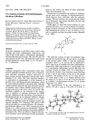 December 1998 in “Acta Crystallographica Section C-crystal Structure Communications”
 A new compound with strong antiandrogenic effects was found, potentially useful for treating conditions like acne and prostate cancer.
 October 2025 in “International Journal of Social health”
 Finasteride lowers PSA levels and prostate size, requiring adjusted PSA interpretation for accurate cancer screening.
 June 2023 in “Journal of Ayurvedic and herbal medicine”
 Pumpkin seeds may improve health due to their rich nutrients and potential to treat various conditions.
 February 2012 in “Community oncology”
 The document concludes that accurately identifying leukemia types is crucial, and the risks of cancer from finasteride need careful evaluation against its benefits.
May 2022 in “Current Enzyme Inhibition” Compound 7b is a promising candidate for treating benign prostatic hyperplasia and prostate cancer.
 January 2022 in “Skin appendage disorders”
 Finasteride is effective for male hair loss, but it may cause fertility issues, mental health problems, and rarely, breast growth. Regular health checks can reduce the risk of prostate cancer. Patient understanding and involvement in treatment is important.
 January 2016 in “Hair transplant forum international”
 Finasteride's link to health issues like male breast cancer, infertility, and prostate cancer needs more research through placebo-controlled trials to confirm.
January 2016 in “Hair transplant forum international” Finasteride can cause side effects and requires caution, especially regarding sexual health, pregnancy, and prostate cancer.
 October 2015 in “Elsevier eBooks”
 Finasteride helps hair growth and prostate issues but may cause sexual side effects and increase tumor risk.
 March 2015 in “The Journal of Urology”
 Finasteride reduces PSA levels by around 40-50% in BPH patients.