 2 citations
,
January 2011 in “Clinical medicine insights”
2 citations
,
January 2011 in “Clinical medicine insights” Dutasteride is effective for treating prostate enlargement and reducing related surgery risk, but is not approved for preventing prostate cancer.
2 citations
,
February 2006 in “Mayo Clinic Proceedings” Finasteride is effective for hair loss and may help prevent prostate cancer without increasing high-grade cancer risk.
2 citations
,
February 2006 in “Mayo Clinic Proceedings” Finasteride is beneficial for BPH but requires careful monitoring due to cancer risks.
Finasteride can reduce prostate cancer risk but may delay diagnosis and cause sexual side effects.
 May 2007 in “The Journal of Urology”
 Finasteride lowers PSA levels in men, certain factors increase testicular cancer risk, and current guidelines for penile cancer may lead to unnecessary surgeries.
February 2006 in “Mayo Clinic Proceedings” Finasteride reduces prostate cancer risk but may increase high-grade cancer cases.
 March 2011 in “European Urology Supplements”
 Gene variation affects prostate issues and hair loss.
 9 citations
,
June 2018 in “Scientific Reports”
9 citations
,
June 2018 in “Scientific Reports” People with certain types of alopecia have a slightly higher risk of cancer, especially thyroid, bladder, and prostate cancers.
17 citations
,
July 2016 in “The Prostate” Metformin may lower PSA levels, possibly affecting prostate cancer development.
 13 citations
,
February 2022 in “JAMA Dermatology”
13 citations
,
February 2022 in “JAMA Dermatology” Spironolactone does not increase cancer risk and may lower prostate cancer risk, but more research is needed.
 April 2022 in “Diabetes Therapy”
 Low testosterone does not prevent prostate cancer in men with type 1 diabetes.
 November 2013 in “International Journal of Dermatology”
 New skin lesions on the scrotum or vulva in patients with a history of internal cancer could indicate rare skin metastasis.
February 2013 in “Americanae (AECID Library)” Finasteride may reduce prostate tumor cell invasion and spread.
 February 2013 in “Journal of The American Academy of Dermatology”
 Hair loss is a common, often overlooked side effect of hormone treatments for breast and prostate cancer.
 September 2009 in “European Urology Supplements”
 Surgery for high-risk prostate cancer is challenging but doesn't lead to more complications, and additional treatment is often needed.
 January 2016 in “Archivio italiano di urologia, andrologia”
 The document concludes that the risk of sexual side effects from 5-alpha-reductase inhibitors is low and often temporary, but more research is needed on potential permanent effects.
 12 citations
,
January 2010 in “PubMed”
12 citations
,
January 2010 in “PubMed” No definitive link between finasteride and male breast cancer, but further research is needed.
 28 citations
,
August 2014 in “Cancer Causes & Control”
28 citations
,
August 2014 in “Cancer Causes & Control” Taking 5α-reductase inhibitors does not significantly increase the risk of breast cancer in men.
 7 citations
,
March 2019 in “Cancer Epidemiology, Biomarkers & Prevention”
7 citations
,
March 2019 in “Cancer Epidemiology, Biomarkers & Prevention” Finasteride use is not clearly linked to an increased risk of male breast cancer.
 4 citations
,
October 2018 in “International Braz J Urol”
4 citations
,
October 2018 in “International Braz J Urol” Taking 5-alpha reductase inhibitors does not increase the risk of breast cancer in men.
 February 2012 in “Community oncology”
 Finasteride for hair loss may increase the risk of certain cancers and has side effects; better regulation and education on its use are needed.
 March 2009 in “The Journal of Urology”
 Low dose finasteride causes only small changes in PSA levels in older men with BPH.
 October 2010 in “Journal of Men's Health”
 Some patients may experience lasting sexual dysfunction, depression, and other side effects from 5α-reductase inhibitor therapy.
 54 citations
,
May 2017 in “Biomedicine & Pharmacotherapy”
54 citations
,
May 2017 in “Biomedicine & Pharmacotherapy” Edible seeds from the Cucurbitaceae family like pumpkin and watermelon seeds are nutritious and may have health benefits, but eating too much can cause side effects.
 December 2015 in “Faculty Opinions – Post-Publication Peer Review of the Biomedical Literature”
 Finasteride, a hair loss treatment, may cause long-term sexual dysfunction and depression.
 451 citations
,
March 2005 in “Endocrine Reviews”
451 citations
,
March 2005 in “Endocrine Reviews” The enzyme steroid sulfatase is linked to breast cancer and other conditions, and inhibitors are being developed for treatment.
 403 citations
,
November 2005 in “Journal of Endocrinology”
403 citations
,
November 2005 in “Journal of Endocrinology” Dehydroepiandrosterone (DHEA) is a prohormone important for producing sex steroids and has potential health benefits.
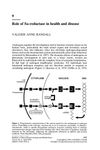 101 citations
,
April 1994 in “Baillière's clinical endocrinology and metabolism”
101 citations
,
April 1994 in “Baillière's clinical endocrinology and metabolism” 5α-reductase is essential for male sexual development and its inhibitors have potential in treating various conditions related to hormone action.
 97 citations
,
November 1986 in “Journal of Steroid Biochemistry”
97 citations
,
November 1986 in “Journal of Steroid Biochemistry” Antiandrogens affect androgen-dependent body functions and are used for various medical conditions, with some risks like fetus feminization, but new forms like 17α-propylmesterolone show promise for acne without systemic effects.
 88 citations
,
February 2008 in “Journal of Medicinal Chemistry”
88 citations
,
February 2008 in “Journal of Medicinal Chemistry” Scientists made the first metal-based compounds from a nonsteroidal antiandrogen drug, which showed potential in fighting both hormone-dependent and independent prostate cancer cells.