 24 citations
,
July 1994 in “Molecular Endocrinology”
24 citations
,
July 1994 in “Molecular Endocrinology” Researchers found an RNA transcript that might help control a growth factor linked to tumor development.
 1040 citations
,
October 1992 in “The New England Journal of Medicine”
1040 citations
,
October 1992 in “The New England Journal of Medicine” Finasteride effectively treats BPH but may increase sexual dysfunction risk.
 97 citations
,
April 2016 in “Andrology”
97 citations
,
April 2016 in “Andrology” Hormones and metabolism play a complex role in prostate enlargement, and more research is needed to improve diagnosis and treatment.
 81 citations
,
February 2000 in “Anti-cancer drugs”
81 citations
,
February 2000 in “Anti-cancer drugs” Doxil showed some effectiveness against advanced prostate cancer but caused severe side effects at higher doses.
 38 citations
,
December 2009 in “Therapeutic Advances in Medical Oncology”
38 citations
,
December 2009 in “Therapeutic Advances in Medical Oncology” The conclusion suggests that prostate cancer should be classified by castration status and that new therapies targeting androgen receptor signaling show promise.
 35 citations
,
January 2012 in “The Journal of Sexual Medicine”
35 citations
,
January 2012 in “The Journal of Sexual Medicine” Androgen Deprivation Therapy for prostate cancer often reduces sexual function but intermittent therapy may be more tolerable.
 30 citations
,
July 2019 in “Endocrinology”
30 citations
,
July 2019 in “Endocrinology” Certain HSD3B1 gene types are linked to worse prostate cancer outcomes and affect treatment response and other health conditions.
 17 citations
,
January 2015 in “MedChemComm”
17 citations
,
January 2015 in “MedChemComm” New treatments for prostate cancer are less toxic and show promise, but more research is needed to enhance their effectiveness and reduce side effects.
 6 citations
,
February 2013 in “Medical Oncology”
6 citations
,
February 2013 in “Medical Oncology” Certain genetic variants increase the risk of resistance to hormone therapy in prostate cancer patients.
 1 citations
,
July 2024 in “The International Journal of Medical Science and Health Research”
1 citations
,
July 2024 in “The International Journal of Medical Science and Health Research” 5α-reductase inhibitors may help with prostate cancer but could increase the risk of severe tumors, so careful use is advised.
 March 2024 in “PLoS medicine”
 Physical activity, height, and smoking affect prostate cancer risk.
 March 2024 in “Cleveland Clinic journal of medicine”
 Alpha-blockers and 5-alpha reductase inhibitors are main treatments for BPH, with new support for phosphodiesterase-5 inhibitors and beta-3 agonists.
 February 2023 in “Global Journal of Reproductive Medicine”
 Medical treatments for benign prostatic hyperplasia mainly relieve symptoms, while surgery is more effective but not always suitable for elderly patients.
 October 2020 in “Cirugía y cirujanos”
 Obesity is linked to more severe lower urinary tract symptoms.
 December 2010 in “Jurnal Natural (Faculty of Mathematics and Natural Science, Syiah Kuala University)”
 Age, race, family history, and certain genetic factors increase prostate cancer risk.
 March 2011 in “European Urology Supplements”
 The document concludes that a new biosensor can efficiently detect prostate cancer cells and that standardized referrals help find significant cancers effectively.
 June 2011 in “Oncology times”
 New treatments are making advanced prostate cancer management more complex but also more hopeful.
 57 citations
,
November 2006 in “International Journal of Cancer”
57 citations
,
November 2006 in “International Journal of Cancer” A49T gene variant linked to higher prostate cancer risk, lower hormone levels, and slightly reduced balding risk.
 3 citations
,
January 2017 in “Revista chilena de nutrición”
3 citations
,
January 2017 in “Revista chilena de nutrición” Certain natural compounds called terpenes may help prevent prostate cancer.
 April 2016 in “Journal of Urology and Nephrology Open Access”
 Thermobalancing Therapy can treat enlarged prostate and improve men's quality of life.
 September 2011 in “Urology”
 The IPP index is linked to storage symptoms and leftover urine, and may help manage urinary tract symptoms.
 1054 citations
,
February 1998 in “The New England Journal of Medicine”
1054 citations
,
February 1998 in “The New England Journal of Medicine” Finasteride reduces urinary issues and surgery need in men with enlarged prostates by over 50%.
 19 citations
,
August 2014 in “Journal of Ethnopharmacology”
19 citations
,
August 2014 in “Journal of Ethnopharmacology” The study created a test that found hormonal and toxic effects in plant and fungal extracts using prostate cancer cells.
 12 citations
,
January 1998 in “Endocrine journal”
12 citations
,
January 1998 in “Endocrine journal” Saw palmetto extract can block the enzyme that converts testosterone in pig prostate cells.
 4 citations
,
November 2017 in “Cancer Causes & Control”
4 citations
,
November 2017 in “Cancer Causes & Control” Men who start balding at age 20 may have a higher chance of getting aggressive prostate cancer.
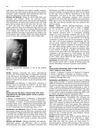 September 2009 in “European Urology Supplements”
 IGRT resulted in lower acute toxicity for stage III prostate cancer patients.
 1 citations
,
January 2009 in “Trepo - Institutional Repository of Tampere University”
1 citations
,
January 2009 in “Trepo - Institutional Repository of Tampere University” Vitamin D may help regulate cholesterol and influence prostate cancer development.
 September 2009 in “European Urology Supplements”
 Cone beam computed tomography can allow for smaller safety margins around the target area in prostate cancer radiation treatment if used for ongoing treatment checks.
 59 citations
,
October 2020 in “Stem Cell Reviews and Reports”
59 citations
,
October 2020 in “Stem Cell Reviews and Reports” Men have higher COVID-19 mortality rates than women due to biological and lifestyle factors.
 52 citations
,
February 2006 in “Current pharmaceutical design”
52 citations
,
February 2006 in “Current pharmaceutical design” 5α-reductase inhibitors and alpha-1 adrenergic antagonists together effectively treat benign prostatic hyperplasia, with long-term benefits.