2 citations
,
April 2024 in “Molecular Plant” Auxin promotes root hair growth through oxidative processes involving reactive oxygen species.
January 2024 in “Research Portal Denmark” H+-ATPase is crucial for plant growth and can be influenced by microbial compounds, affecting root hair development.
 79 citations
,
September 2018 in “Dermatologic therapy”
79 citations
,
September 2018 in “Dermatologic therapy” Oral tofacitinib can significantly improve recalcitrant lichen planopilaris.
 137 citations
,
September 2005 in “Proceedings of the National Academy of Sciences of the United States of America”
137 citations
,
September 2005 in “Proceedings of the National Academy of Sciences of the United States of America” The HR protein helps hair grow by blocking a hair growth inhibitor, aiding in hair follicle regeneration.
 25 citations
,
August 2015 in “International Journal of Cosmetic Science”
25 citations
,
August 2015 in “International Journal of Cosmetic Science” Malva verticillata seed extract might help treat hair loss by activating hair growth signals in skin cells.
 122 citations
,
May 2010 in “Plant Physiology”
122 citations
,
May 2010 in “Plant Physiology” Different PIN proteins affect plant root hair growth by changing how auxin is transported.
 73 citations
,
October 2003 in “Journal of Pharmacology and Experimental Therapeutics”
73 citations
,
October 2003 in “Journal of Pharmacology and Experimental Therapeutics” Hair color loss can indicate the effectiveness of a drug targeting the KIT protein in mice and humans.
 31 citations
,
January 2007 in “Journal of biological chemistry/The Journal of biological chemistry”
31 citations
,
January 2007 in “Journal of biological chemistry/The Journal of biological chemistry” Stress activates a special function of the Vitamin D receptor with the help of c-Jun, which can also prevent cell death.
 16 citations
,
March 2015 in “Clinical Cancer Research”
16 citations
,
March 2015 in “Clinical Cancer Research” The document concludes that side effects from Smoothened inhibitor drugs for skin cancer are reversible and can be managed with a team approach to maintain quality of life.
JAK inhibitors effectively regrow hair in alopecia areata but hair loss often returns after stopping treatment.
 9 citations
,
April 2006 in “American Journal of Pathology”
9 citations
,
April 2006 in “American Journal of Pathology” SGK3 is essential for proper hair growth and health.
 10 citations
,
May 2019 in “International Journal of Environmental Research and Public Health”
10 citations
,
May 2019 in “International Journal of Environmental Research and Public Health” Finasteride may cause kidney damage.
 2 citations
,
January 2022 in “bioRxiv (Cold Spring Harbor Laboratory)”
2 citations
,
January 2022 in “bioRxiv (Cold Spring Harbor Laboratory)” A protein called FERONIA helps control root hair growth in response to cold and low nitrogen by activating nutrient-sensing pathways in a plant called Arabidopsis.
 40 citations
,
August 2022 in “Frontiers in immunology”
40 citations
,
August 2022 in “Frontiers in immunology” Blocking JAK/STAT pathways can help treat hair loss from alopecia areata.
 8 citations
,
January 2017 in “Stem Cells International”
8 citations
,
January 2017 in “Stem Cells International” A protein called sFRP4 from skin cells stops the development of pigment-producing cells in hair.
 6 citations
,
December 2021 in “Scientific Reports”
6 citations
,
December 2021 in “Scientific Reports” Inhibiting class I HDACs helps maintain hair growth ability in skin cells.
 13 citations
,
October 2017 in “Bioscience, Biotechnology, and Biochemistry”
13 citations
,
October 2017 in “Bioscience, Biotechnology, and Biochemistry” Centella asiatica extract may help promote hair growth by blocking a specific cell signaling pathway.
 April 2023 in “Journal of Pakistan Medical Association”
 Baricitinib is effective in promoting hair growth in severe alopecia areata.
 July 2025 in “Journal of Cosmetic Dermatology”
 Alternative treatments are needed when Tofacitinib alone fails for alopecia areata.
 53 citations
,
July 2011 in “Biomaterials”
53 citations
,
July 2011 in “Biomaterials” Human liver cells stick to hair protein materials mainly through the liver's asialoglycoprotein receptor.
227 citations
,
April 2023 in “The Lancet” Ritlecitinib effectively treats alopecia areata and is well-tolerated.
 188 citations
,
May 2009 in “Plant physiology”
188 citations
,
May 2009 in “Plant physiology” Researchers found 19 genes important for root hair growth in a plant called Arabidopsis.
 64 citations
,
August 2014 in “The journal of allergy and clinical immunology/Journal of allergy and clinical immunology/The journal of allergy and clinical immunology”
64 citations
,
August 2014 in “The journal of allergy and clinical immunology/Journal of allergy and clinical immunology/The journal of allergy and clinical immunology” A deficiency in the TTC7A gene causes immune problems, gut issues, and hair loss.
52 citations
,
May 1997 in “Journal of Biological Chemistry” High ornithine decarboxylase levels may lead to hair loss and cancer by increasing CK2 activity in the nucleus.
 65 citations
,
February 2015 in “Neuro-Oncology”
65 citations
,
February 2015 in “Neuro-Oncology” Alisertib was found to be an effective and tolerable treatment for children with recurrent brain tumors.
December 2015 in “OPAL (Open@LaTrobe) (La Trobe University)” QLT0267 stops hair follicle cell growth and movement.
280 citations
,
January 2004 in “The EMBO Journal” AGC2-1 protein is essential for root hair growth in Arabidopsis.
 22 citations
,
April 2015 in “Current problems in dermatology”
22 citations
,
April 2015 in “Current problems in dermatology” Human hair follicles have a unique metabolism that changes between growth stages and may contribute to baldness.
 9 citations
,
May 2023 in “Inflammation Research”
9 citations
,
May 2023 in “Inflammation Research” New small molecule drugs show promise in treating complex skin diseases but need more safety research.
 41 citations
,
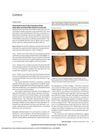
December 2015 in “JAMA Dermatology”
41 citations
,
December 2015 in “JAMA Dermatology” Tofacitinib citrate improved nail dystrophy and pain in patients with alopecia universalis without causing side effects.