 9 citations
,
January 2011 in “EXPERIMENTAL ANIMALS”
9 citations
,
January 2011 in “EXPERIMENTAL ANIMALS” A new rat strain with a specific gene mutation causes hair loss and kidney issues.
8 citations
,
March 2004 in “Mammalian genome” KAP genes are crucial for hair development and show both shared and unique traits in humans, chimpanzees, and baboons.
6 citations
,
June 2016 in “Journal of cellular biochemistry” The Hr protein binds to DNA, interacts with p53, and affects cell cycle genes.
6 citations
,
April 2005 in “Journal of dermatological science” The study found nine new hair protein genes in human hair follicles.
 5 citations
,
February 2019 in “PloS one”
5 citations
,
February 2019 in “PloS one” Bald thigh syndrome in sighthounds is caused by structural defects in hair shafts due to downregulated genes and proteins.
 5 citations
,
February 1977 in “Archives of Dermatology”
5 citations
,
February 1977 in “Archives of Dermatology” Eating more protein during fast weight loss can prevent hair loss.
 4 citations
,
December 2018 in “Macedonian Journal of Chemistry and Chemical Engineering”
4 citations
,
December 2018 in “Macedonian Journal of Chemistry and Chemical Engineering” A new method accurately measures amino acids in treated hair, showing bleaching reduces amino acids while protein treatments increase them.
 4 citations
,
January 2018 in “Cosmetics”
4 citations
,
January 2018 in “Cosmetics” Spin traps like PBN could protect skin from pollution and sunlight in cosmetics but need more research for safe use.
 4 citations
,
January 2015 in “Sen'i Gakkaishi”
4 citations
,
January 2015 in “Sen'i Gakkaishi” Hair and wool strength is affected by the number and type of bonds in their protein structures, with hair having more protein aggregates than wool.
3 citations
,
January 2005 in “Photochemistry and Photobiology” Protein kinase C epsilon may promote skin cancer development after UV exposure by affecting nearby cells.
 2 citations
,
July 2023 in “The journal of investigative dermatology/Journal of investigative dermatology”
2 citations
,
July 2023 in “The journal of investigative dermatology/Journal of investigative dermatology” Autophagy changes the protein makeup of hair.

research Acne
2 citations
,
May 2011 in “Harper's Textbook of Pediatric Dermatology” Acne is a common skin condition linked to diet, hormones, and genetics, and early treatment can prevent scarring.
 1 citations
,
March 2020 in “Functional foods in health and disease/Journal of functional foods in health & disease”
1 citations
,
March 2020 in “Functional foods in health and disease/Journal of functional foods in health & disease” OM-X® helped prevent negative effects of Vitamin C deficiency in mice, suggesting it could protect organs and regulate metabolism.
 1 citations
,
March 1982 in “American pharmacy”
1 citations
,
March 1982 in “American pharmacy” The Beverly Hills Diet is unhealthy and can cause serious health issues; pharmacists should advise against it and asthmatics should avoid nonprescription antihistamines.
 April 2026 in “DiRROS repository (University of Maribor)”
 MSC-derived EVs have potential as therapeutic agents but face challenges like production complexity and high costs.
January 2026 in “Aging and Disease” DKK proteins could help diagnose and treat various non-cancerous diseases.
December 2025 in “Biomolecules” Targeting protein S-palmitoylation could lead to new skin disease treatments.
 November 2025 in “Stem Cell Reviews and Reports”
 The error in figures didn't affect the study's results or conclusions.
 May 2024 in “The journal of investigative dermatology/Journal of investigative dermatology”
 Applying DMG-Na to the skin increases blood flow and may help with skin conditions.
 February 2024 in “Pharmaceutical research”
 Hair follicles affect how well small molecules can pass through the skin, and this varies depending on the molecule's features.
 October 2023 in “Advancement in yoga and physical therapy”
 More research is needed before using brown fat to treat polycystic ovary syndrome.
 April 2021 in “Journal of Investigative Dermatology”
 Leontopodium alpinum extract may help reduce hair shedding by keeping hair in the growth phase longer.
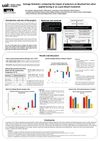 June 2017 in “University of the Arts London Research Online (University of the Arts London)”
 Polymers help reduce damage and improve bleached hair when used during or after bleaching.
 January 2017 in “Clinical approaches and procedures in cosmetic dermatology”
 Cosmetic procedures can harm hair, but damage can be minimized with knowledge and care; however, once hair is damaged, it cannot be reliably repaired.
 April 2016 in “The journal of investigative dermatology/Journal of investigative dermatology”
 RPGRIP1L helps skin cells stick together by blocking PKCβII, which can prevent skin blistering like in pemphigus.
 February 1977 in “Archives of Dermatology”
 Topical mitotic blocking agents like colchicine can be dangerous and potentially fatal, and hair loss from rapid weight loss is due to low protein, not the speed of weight loss.
Protein profiling of forehead skin can help distinguish between frontal fibrosing alopecia and androgenetic alopecia.
2 citations
,
August 1987 in “Analytical Biochemistry” A new method isolated previously undetected hair proteins rich in glycine and tyrosine.
 October 2023 in “Dermatology practical & conceptual”
 Many patients experienced hair loss after COVID-19, with women affected more, starting on average 49 days post-infection.
 April 2018 in “Journal of Investigative Dermatology”
 Aging reduces skin cell renewal and defense against germs due to TGFbeta, but blocking TGFbeta could help restore these functions.